




From Sightseeing to 'Experience-ing'
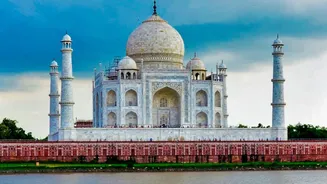
There's a fundamental shift in the travel mindset. Today’s Indian traveller is no longer content to be a passive observer. Instead of collecting photos of monuments, they are seeking to collect memories and skills. This has given rise to what the travel industry
calls 'experiential travel'. The goal is to move beyond the surface and connect with a destination's culture, people, and lifestyle on a deeper level. Rather than just eating at a famous restaurant, they want to take a cooking class with a local. Instead of just visiting a historic fort, they might stay in a heritage property to understand its legacy. This desire for authenticity is a reaction to a world of curated social media feeds, where travellers now crave genuine, unfiltered moments.
The Rise of the 'Hobbiday'
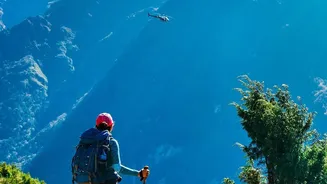
With rising disposable incomes and a growing middle class, travel is viewed less as a luxury and more as a vital component of a well-rounded lifestyle. This economic freedom allows people to invest in their personal growth and passions, leading to the rise of the 'hobbiday'—a vacation built around a hobby. Whether it’s a yoga retreat in the Himalayas, a surfing camp in Varkala, a wildlife photography expedition in a national park, or a culinary tour exploring regional cuisines, Indians are using their time off to nurture their interests. These trips offer a chance to disconnect from the daily grind and reconnect with a part of themselves that gets lost in the routine of work and responsibility.
Digital Discovery and Niche Communities
The internet, and social media in particular, has been a massive catalyst for this trend. Platforms like Instagram and YouTube are no longer just for posting vacation photos; they are primary sources of travel inspiration. Aspiring travellers can discover niche activities and destinations through influencers and user-generated content, which is often seen as more trustworthy than traditional advertising. These platforms also make it easier to find like-minded individuals and specialized tour operators that cater to specific interests, from trekking collectives to spiritual wellness groups. A recent survey showed that a significant majority of Indian travellers are influenced by what they see on social media when planning a trip.
A New Generation's Definition of Travel
Younger generations, particularly Millennials and Gen Z, are driving this change. For them, travel is an act of self-expression. They prioritize personal fulfilment and creating meaningful experiences over simply accumulating possessions. This generation is more conscious about how they travel, often seeking sustainable options that support local communities. There is a growing interest in everything from solo travel for self-discovery to spiritual journeys that go beyond religious obligation to include wellness and cultural immersion. The destination is sometimes secondary to the experience itself, with the primary motivation being personal growth or adventure.
The Industry Responds
The travel industry has been quick to adapt. We are seeing a boom in boutique travel companies and startups that specialize in curating these unique, interest-based itineraries. From culinary and spiritual tourism to event-based travel for concerts and sports, niche segments are expected to be the next major drivers of growth in India's tourism sector. Even larger, established travel companies are now offering more personalized and experience-led packages to cater to this evolving demand, recognizing that the modern Indian traveller wants a story to tell, not just a postcard to send.