






The High Cost of 'Always On'
The term ‘Zoom fatigue’ entered our vocabulary almost overnight, but years into the remote and hybrid work era, it’s more than just a buzzword. Research has validated the feeling of exhaustion that follows a day packed with video calls. Studies using
brain scans show that video conferences are measurably more draining than in-person meetings. One 2026 report noted that 61% of remote workers feel mentally drained after consecutive video calls, with fatigue setting in after just 15 minutes. The reasons are rooted in cognitive overload. Maintaining constant eye contact with a screen, struggling to interpret non-verbal cues through a digital filter, and the self-consciousness of seeing our own face on display all demand extra mental energy. Furthermore, the constant context-switching between a call and focused work takes its toll; it can take over 20 minutes to regain deep focus after an interruption, making a day of back-to-back meetings a productivity killer.
The Rise of Asynchronous Work
In response to this burnout, a more intentional approach to communication is gaining ground: asynchronous work. Simply put, this means communicating without the expectation of an immediate response. Swapping a live video call for a detailed email, a project update in a shared document, or a quick video message recorded with a tool like Loom are all forms of asynchronous communication. The benefits go far beyond just clearing the calendar. It empowers employees with the flexibility to manage their own schedules and focus when they are most productive, leading to what is known as 'deep work'. This method also creates a natural, searchable record of communication and decisions, improving transparency and making it easier for team members across different time zones to stay aligned. For many, it fosters a more inclusive environment where introverted colleagues or those who need more time to process information can contribute more thoughtfully than they might in a fast-paced live meeting.
What Can Become a Written Update?
The goal isn't to eliminate all meetings. Real-time collaboration is still essential for complex brainstorming, sensitive conversations, or building team rapport. The key is to distinguish between essential and non-essential calls. Many routine meetings are prime candidates for written updates. Daily or weekly status check-ins, for instance, can often be replaced by a standardised written summary shared in a project management tool or chat channel. Information-sharing sessions, where one person is simply broadcasting updates to a passive audience, are almost always better as a pre-recorded video or a detailed memo that people can review on their own time. Simple Q&A sessions can be handled effectively in a threaded discussion. Before scheduling a meeting, leaders are starting to ask a crucial question: 'Could this be an email?' If the purpose is to inform, provide feedback, or gather status updates, the answer is increasingly 'yes'.
An Emerging Trend in India
While this is a global trend, it finds particularly fertile ground in India's dynamic and fast-paced business environment. A 2026 study highlighted that India is becoming an 'early signal market' for the future of work, challenging the assumption that it merely follows Western models. The country's massive, tech-savvy workforce and pressure-filled operating environment are pushing organisations to adopt pragmatic, outcome-driven communication strategies. With fewer legacy systems to hold them back, many Indian companies are leapfrogging directly to more efficient, digitally native workflows. The shift away from unnecessary meetings is seen not as a rejection of collaboration, but as a strategic move to maximise the productivity of a highly ambitious workforce. This aligns with a broader trend towards AI-driven conversational messaging and personalised communication that is reshaping how Indian businesses operate.
How Technology Is Aiding the Shift
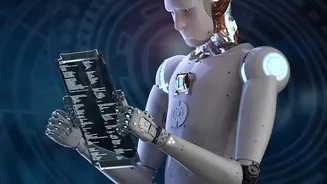
This transition is being supercharged by new technology. The rise of AI-powered tools is making asynchronous communication more powerful than ever. AI assistants can now join video calls, transcribe the conversation in real-time, and generate concise summaries with action items moments after the meeting ends. This solves a major challenge: how to keep asynchronous workers in the loop with decisions made during necessary live calls. The transcript becomes a searchable dataset, a single source of truth that anyone can access. Instead of relying on a colleague's patchy notes, team members can quickly find the exact context they need. This technology creates a powerful hybrid model where essential real-time discussions are captured and made available for everyone else to consume on their own schedule, preserving focus without sacrificing alignment.