






Why Autumn is the Perfect Season
The main scuba diving season in the Andaman Islands runs from October to May, and for good reason. Autumn, particularly the post-monsoon months of October and November, marks the beginning of this ideal window. During this time, the seas are calm, the weather
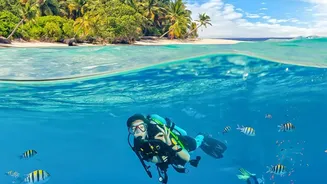
is pleasant, and underwater visibility is excellent, often ranging from 15 to 30 metres. This clarity is crucial for appreciating the intricate details and vibrant colours of the coral gardens. Water temperatures are a comfortable 26°C to 29°C year-round, allowing for long, relaxed dives. While the peak tourist season with higher prices starts from December, autumn offers a sweet spot with fewer crowds, clear waters, and lush island landscapes rejuvenated by the recent monsoon.
Top Dive Sites for Vibrant Corals
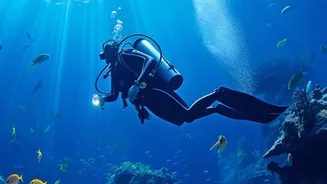
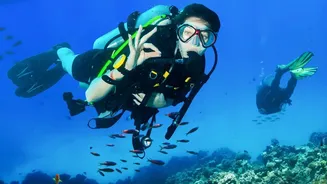
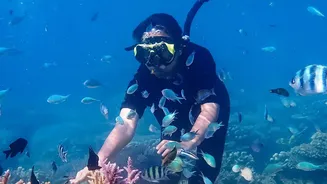
Havelock Island (now officially Swaraj Dweep) is the hub of diving in the Andamans, with over 20 dive sites. For coral lovers, several spots are must-visits. Nemo Reef is the go-to site for beginners. As a shore-entry site, it offers shallow, calm conditions similar to a swimming pool, making it perfect for first-timers and training dives. The reef is teeming with diverse marine life, including anemonefish (like Nemo), parrotfish, and octopus. Elephant Beach is another excellent option, famous for its colourful coral reefs in shallow waters, making it great for both divers and snorkellers. For those with certification, The Wall offers a spectacular experience. It's a massive underwater cliff that drops from 10 metres down to 55 metres, covered in a tapestry of soft and hard corals. Turtle Beach boasts one of the most pristine staghorn coral gardens in Havelock, with up to 80% coverage. Its remote location means less diver traffic and healthier corals. Finally, sites like Juvis offer unique formations, including a 500-metre stretch of rare potato coral and reliable sightings of non-aggressive whitetip reef sharks.
Choosing Your Dive Operator
Your diving experience is only as good as your dive centre. In Havelock, you'll find numerous operators, so it's important to choose wisely. Look for centres affiliated with internationally recognised agencies like PADI (Professional Association of Diving Instructors) or SSI (Scuba Schools International). These affiliations ensure that the instructors are certified and follow strict international safety standards. New regulations in the Andamans also mandate that all dive centres be registered and transparent about their pricing. A reputable operator will prioritise safety, use well-maintained equipment, conduct thorough pre-dive briefings, and operate with small group ratios (often one instructor per diver for beginners). Many centres also focus on eco-friendly practices to protect the very reefs you're there to see. Don't just shop for the lowest price; look for professionalism, good reviews, and a commitment to safety and marine conservation.
What to Expect on Your First Dive
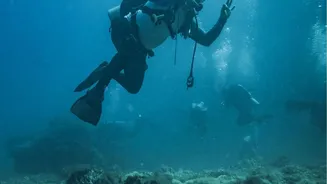
If you're a non-swimmer or have never dived before, you're in luck. Introductory dives, often called Discover Scuba Diving (DSD), require no prior experience. The experience starts with a 30-40 minute training session where you learn basic skills like breathing through the regulator, equalising ear pressure, and clearing your mask. This is followed by a guided dive in open water with a personal instructor who manages your buoyancy and equipment, allowing you to simply enjoy the view. These dives are limited to a maximum depth of 12 metres for safety. Costs for a beginner shore dive start around ₹3,500, while boat dives to more remote reefs can cost between ₹4,500 and ₹7,500 per person. These packages typically include equipment rental, your instructor, and often complimentary underwater photos and videos.
Dive Responsibly to Protect the Reefs
The coral reefs of the Andamans are a precious and fragile ecosystem. While they have shown resilience, they face threats from climate change, including bleaching events. As a diver, you have a responsibility to help protect them. The most important rule is to never touch the coral or any marine life. Corals are living animals, and a simple touch can damage their delicate tissues. Maintain good buoyancy control to avoid accidentally kicking or crashing into the reef. Your instructor will help with this on your first dive. Furthermore, do not take any shells or corals as souvenirs; their collection is strictly prohibited. Choose dive operators who demonstrate a commitment to conservation, and consider using reef-safe sunscreen, as chemicals in regular sunscreen can harm coral. By being a mindful visitor, you help ensure these underwater wonders remain vibrant for generations to come.