




What Are Fenugreek Leaves?
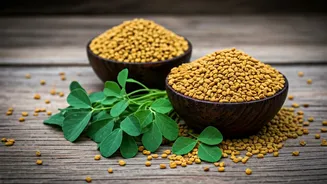
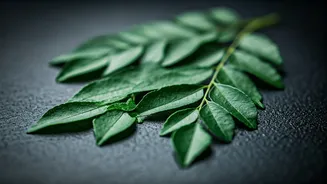
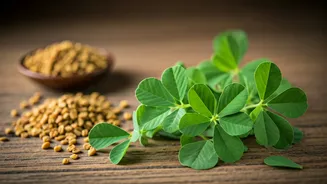
Known as methi in India, fenugreek leaves come from the Trigonella foenum-graecum plant, the very same plant that produces fenugreek seeds. While the hard, squarish seeds are used as a spice, the leaves are treated as a leafy green when fresh and as a finishing
herb when dried. Fresh methi looks a bit like clover, with small, tender green leaves attached to thin stems. It's a staple in Indian kitchens, celebrated for its unique ability to transform curries, flatbreads, and lentil dishes from simple to sublime. The dried form, called Kasuri Methi, consists of the sun-dried leaves and is known for its concentrated aroma and long shelf life. Both forms offer a gateway to a new layer of flavour that is deeply aromatic yet surprisingly easy to manage.
A Flavour Unlike Any Other
So, what does this 'depth' taste like? Fenugreek's flavour profile is complex and truly unique. It carries a pleasant bitterness, similar to celery or fennel leaves, but this is beautifully balanced with a savoury, slightly sweet, and nutty undertone that many compare to maple syrup. This intriguing combination is thanks to a chemical compound called sotolone, which is found in both fenugreek and maple syrup. Eaten raw, fresh fenugreek can be quite bitter, but cooking mellows it significantly, allowing its warmer, sweeter notes to emerge. The flavour is robust enough to stand up to strong spices but subtle enough that it won't overpower your dish. It’s the secret ingredient that leaves people wondering what makes your food taste so complete.
Fresh vs. Dried: What to Know
Your two main options are fresh methi and dried Kasuri Methi, and knowing which to use is key. Fresh fenugreek leaves are milder and have a brighter, more vegetal taste. They are used like a leafy green, often sautéed with potatoes (Aloo Methi) or kneaded into dough for flatbreads like parathas and theplas. To prepare fresh methi, simply pluck the leaves from the thicker stems, wash them thoroughly, and chop. A popular trick to reduce bitterness is to sprinkle the chopped leaves with salt, let them sit for a few minutes, and then squeeze out the excess water before cooking. Kasuri Methi, the dried version, has a more potent, concentrated, and earthy aroma. It's used as a finishing herb. The standard practice is to crush the dried leaves between your palms and sprinkle them over a dish—like dal, curries, or paneer—in the final moments of cooking. This releases their essential oils and adds a final flourish of incredible aroma without needing to be cooked for long. As a rule of thumb, if you need to substitute, use about three times the amount of fresh leaves for dried.
Putting Methi to Work in Your Kitchen
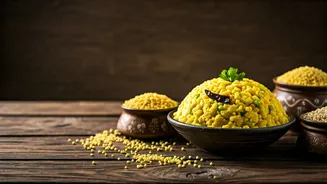
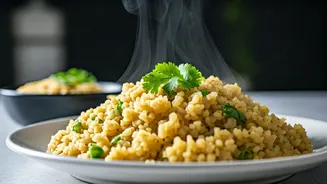
Adding fenugreek leaves to your cooking is straightforward. For a simple start with fresh leaves, try the classic Aloo Methi, a simple stir-fry of potatoes and chopped fenugreek leaves with a few basic spices. You can also mix chopped fresh leaves into lentil dishes like dal, allowing them to wilt into the hot lentils just before serving. They add a wonderful complexity to rice dishes like methi pulao and can be incorporated into savoury batters for pakoras. Kasuri Methi is even easier to use. A teaspoon of crushed leaves added at the end can elevate a simple tomato-based curry or a rich, creamy dish like Butter Chicken or Methi Matar Malai. The bitterness cuts through the richness and sweetness, providing a beautiful balance. Don't be afraid to experiment by adding it to marinades for meats, sprinkling it over roasted vegetables, or mixing it into yogurt for a flavourful dip.
More Than Just Flavour
Beyond its culinary magic, fenugreek leaves are a nutritional powerhouse. They are packed with essential nutrients like vitamins A, C, and K, as well as minerals such as iron, calcium, and potassium. Their high fibre content is excellent for digestive health, helping to prevent issues like bloating and constipation. Traditionally, methi has been used for its numerous health benefits, including helping to regulate blood sugar levels, reducing inflammation, and supporting skin and hair health. The leaves contain antioxidants that help protect the body's cells, and they are also known to boost immunity. So, while you're adding depth to your meals, you're also adding a healthy dose of wellness.