




Understanding the Rail Pass System
A rail pass is essentially a single ticket that grants you extensive travel across a rail network for a set period. Think of it as a travel buffet. In the United States, Amtrak's USA Rail Pass is a popular option, offering 10 travel segments within a 30-day
window. A 'segment' is any single journey, whether it's a short trip between two cities or a long-haul ride across several states. This model is perfect for a park-hopping adventure, allowing you to travel from a major hub to a town near a national park, explore for a few days, and then use another segment to journey to your next destination. The key is planning your segments to cover long distances, which maximizes the value of the pass.
The Budget Advantage for Solo Travelers
For a solo traveler, the cost of renting a car, fuel, and insurance can quickly add up, making a multi-destination trip prohibitively expensive. A rail pass, by contrast, offers a fixed, predictable cost. The Amtrak USA Rail Pass, for example, is priced so that just a few long journeys can make it more economical than buying individual tickets or driving. You also save on the hidden costs of a road trip, like wear and tear on a vehicle and the mental cost of navigating unfamiliar, long highways alone. While you must factor in potential extra costs for seat reservations on some routes, the overall savings on transportation can be substantial, freeing up your budget for park entrance fees, tours, and experiences.
The 'Easy' Factor: Logistics and Safety
This is where rail travel truly shines for solo adventurers. Instead of focusing on the road, you can relax, read, plan your next hike, or simply watch the stunning American landscape unfold from your window. Train travel simplifies logistics immensely. There are no long check-in lines, and luggage allowances are often more generous than airlines. For safety, a train provides a secure and public environment. You can move around, visit a dining or lounge car, and arrive in city or town centers, which are generally well-lit and connected. Amtrak even has a Trails & Rails program where National Park Service volunteers ride aboard certain routes to provide interpretive programs about the very landscapes you're traveling through.
From Station to Park: Bridging the Last Mile
A common question is how to get from the train station to the park itself. The connection is often surprisingly straightforward. Some parks, like Glacier National Park in Montana, have Amtrak stations located right at their gateways. For others, like the Grand Canyon, there's a dedicated railway that connects from a nearby Amtrak stop. Many other parks are accessible via shuttle buses or local transport that are timed to coincide with train arrivals, a system born from the historic link between railroads and the creation of national parks. A bit of research on the National Park Service website or local shuttle services before you go is all that's needed to master this final leg of the journey.
Exploring India's Wilderness by Rail
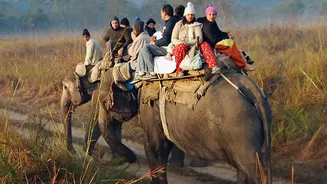
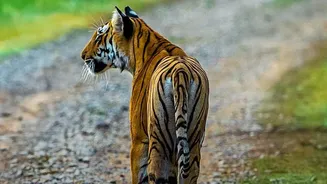
The rail-to-park model isn't limited to the US. For travelers in India, Indian Railways offers a robust network to explore the nation's diverse wildlife sanctuaries. While a single, universal park-hopper pass doesn't exist for domestic travelers in the same way, the principle remains. You can book point-to-point tickets to stations near major parks like Ranthambore (Sawai Madhopur) or Kaziranga (Furkating). For foreign tourists and NRIs, the Indrail Pass offers unlimited travel for a set duration, which can be an excellent value. Excitingly, IRCTC has recently partnered with the Maharashtra Forest Department to launch all-in-one wildlife tourism packages, bundling train tickets, accommodation, and guaranteed safari permits for parks like Tadoba and Pench, making these trips easier than ever.