





Beyond the Basics: Why a Generic Warm-Up Fails
Many of us treat the warm-up as an optional opening act, a quick spin on the bike or a few arm swings before diving into the main event. But preparation is crucial for maximizing performance and reducing the risk of injury. A proper warm-up does more
than just raise your body temperature; it prepares your nervous system, increases blood flow to the muscles, and improves joint mobility. The biggest mistake is performing the same generic routine regardless of the activity. A warm-up for a heavy leg day should look very different from one for a long run or a game of tennis. Your body needs a preview of the specific movements it's about to perform to establish the necessary motor patterns. Simply jogging before lifting weights won't adequately activate the shoulder and back muscles needed for a bench press, just as static stretching before a run can actually reduce muscle power and increase injury risk.
The RAMP Method: A Smarter Framework
To structure a better warm-up, many experts use the RAMP protocol, which stands for Raise, Activate, Mobilise, and Potentiate. It’s a simple but effective framework. First, you 'Raise' your heart rate and core temperature with low-intensity activity like light jogging or cycling for a few minutes. Next, you 'Activate' the key muscles you're about to use and 'Mobilise' the relevant joints. This phase replaces old-school static stretching with dynamic movements. Think glute bridges to activate the hips before squats or band pull-aparts to engage the upper back before overhead presses. The final stage is 'Potentiation', which involves performing exercises that are a more intense version of the movements to come. This primes your nervous system for peak performance. It could be a few light kettlebell swings before deadlifts or some short, faster-paced strides before a run.
Warming Up for Strength Training
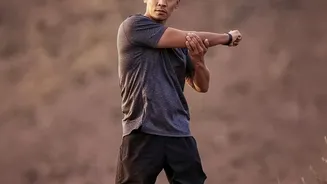
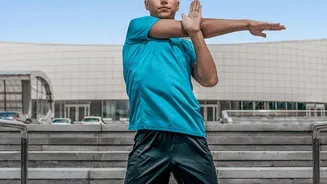
For a strength session, your warm-up should prime the specific muscles and movement patterns you'll be training. After a brief 3-5 minute general pulse-raiser, focus on activation and mobility. If it's a lower body day focused on squats, your warm-up should target the hips, glutes, and ankles. Movements like bodyweight squats, walking lunges with a twist, and glute bridges are excellent choices. For an upper body day involving pressing and pulling, focus on the shoulders, chest, and back. Arm circles, torso twists, and scapular push-ups can help. Using a resistance band for exercises like face pulls or lateral walks can also be highly effective for waking up smaller stabiliser muscles that are crucial for safe lifting. Finish with a few very light 'warm-up sets' of your main lift to practice the technique before adding significant weight.
Preparing for Running and Cardio
Simply walking for a few minutes before breaking into a run is not an adequate warm-up because it doesn't properly activate key running muscles like your glutes and hamstrings. For running and other cardio-intensive activities, the focus should be on dynamic drills that mimic the running motion and prepare your lower body for impact. After a light jog to raise your heart rate, incorporate dynamic stretches like leg swings (forward-and-back and side-to-side), high knees, and butt kicks. These movements actively take your joints through their full range of motion. Walking lunges and hip circles are also great for opening up your hips, which can get tight from sitting and often lead to poor running form. These drills ensure your muscles are not just warm but also switched on and ready to work efficiently.
Prepping for Sports and Agility
When warming up for sports that involve quick changes of direction, jumping, and throwing, your preparation needs to be even more specific. The warm-up should mirror the demands of the game. For court sports like basketball or tennis, this means including lateral movements. Side shuffles and carioca (grapevine) drills prepare your body for the side-to-side actions inherent in these activities. For throwing sports, a thorough shoulder warm-up is non-negotiable, moving beyond simple arm swings to include purposeful activation like squeezing your shoulder blades together. The potentiation phase is also critical here. This could involve short, low-intensity sprints, practice jumps, or light throwing to prepare your body for the explosive efforts required in competition, ensuring you don't go into the game with an engine that's still cold.