




The Hidden Risks of a Monsoon Workout
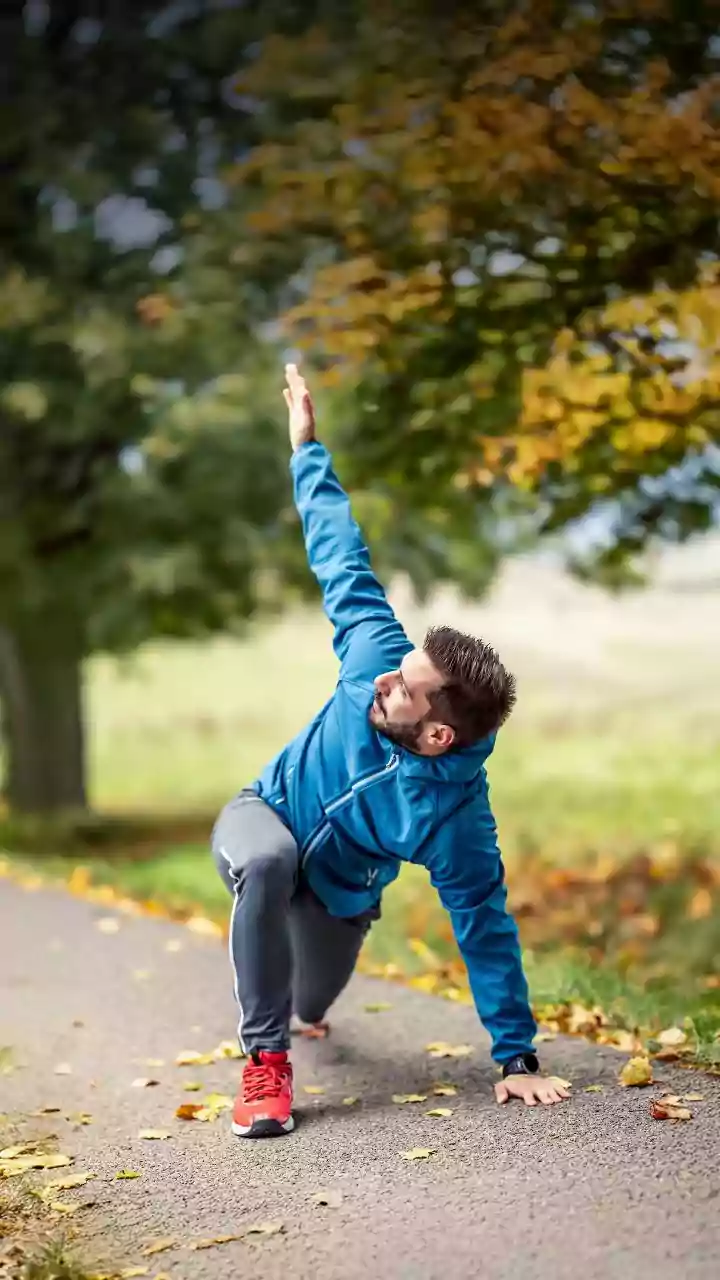
Exercising outdoors during the rainy season isn't just a matter of dealing with discomfort. The most obvious danger is the increased risk of injury from slippery surfaces. Wet roads, trails, and pavements can compromise your footing, leading to slips
and falls that might cause sprains or even fractures. Visibility is also significantly reduced, making it harder for you to spot obstacles and for drivers to see you. Beyond these immediate hazards, weather changes can have a subtle but significant impact on your body. Drops in barometric pressure and cooler, damp air can cause tissues around your joints to expand, leading to stiffness and aches, especially for those with existing joint conditions. This stiffness can make your muscles less flexible and more prone to strains during high-impact activities. Furthermore, getting soaked in a cold rain can increase your risk of hypothermia, a condition where your body loses heat faster than it can produce it.
What Exactly Is Low-Impact Strength Training?
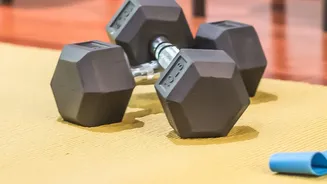
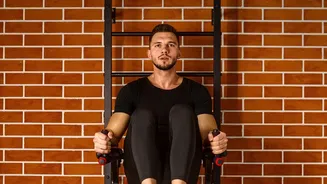
Low-impact exercise is any movement that is gentle on your body, placing less stress on the joints than high-impact activities like running or jumping. However, low-impact does not mean low-intensity or low results. When combined with resistance, these controlled movements are a powerful way to build muscle and strength. Low-impact strength training focuses on steady, controlled motions that strengthen the muscles surrounding your joints, which in turn creates better support and resilience. Think of exercises where at least one of your feet remains on the ground, or where your body is supported, such as during cycling or swimming. The key is to challenge your muscles through resistance—using your body weight, bands, or dumbbells—without the jarring impact that can stress your knees, hips, and spine.
The Perfect Rainy-Day Fitness Solution
This is where low-impact strength work shines as the ideal monsoon fitness strategy. By bringing your workout indoors, you immediately eliminate the risks of slippery surfaces and poor visibility. More importantly, it directly addresses the physiological challenges of the season. The focus on controlled movements improves muscle activation and form, reducing the risk of injury when your joints might already feel stiff. This type of training is also incredibly effective for building muscle mass and improving bone density. Because it’s less jarring, recovery time is often shorter, allowing for more consistent training sessions. Consistency is the most critical factor for long-term fitness results, and a routine you can stick with, rain or shine, will always be more effective than an intense plan that frequently gets derailed by weather or injury.
Your At-Home Low-Impact Strength Workout
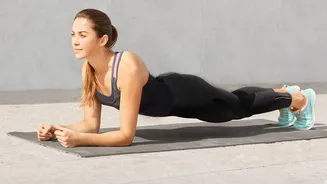
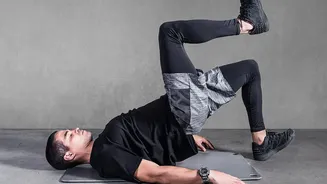
You don't need a gym or fancy equipment to get a fantastic workout. Many effective low-impact strength exercises can be done in the comfort of your living room. Focus on proper form and controlled movements to maximise muscle engagement. Consider incorporating these exercises into your routine: - Squats: A fundamental movement for leg strength. Keep your feet flat on the floor and focus on a slow, controlled descent and ascent. - Lunges: Step forward, backward, or to the side, ensuring your knee doesn't go past your toes. For an even lower impact, try stationary or reverse lunges. - Glute Bridges: Lie on your back with your knees bent and lift your hips towards the ceiling, squeezing your glutes at the top. - Planks: This is an excellent isometric exercise that strengthens your entire core, back, and shoulders without any impact. - Push-ups: A classic bodyweight exercise. If a full push-up is too challenging, you can modify it by placing your knees on the floor. - Resistance Band Exercises: Inexpensive and versatile, resistance bands can be used for rows, bicep curls, and lateral leg raises to add a strength challenge without joint stress.
Explore Yoga and Pilates
For a more holistic approach, consider yoga or Pilates. Both disciplines are fantastic forms of low-impact strength training that offer additional benefits perfect for gloomy, rainy days. Yoga not only builds strength and flexibility but also incorporates breathing and mindfulness practices that can help boost your mood and reduce stress. Pilates is renowned for its focus on core strength, posture, and precise, controlled movements that build long, lean muscles and improve joint health. Both can be easily adapted for all fitness levels and require minimal space, making them a perfect fit for an indoor, monsoon-friendly fitness plan.