






From 'Want' to 'Need' in 10 Minutes
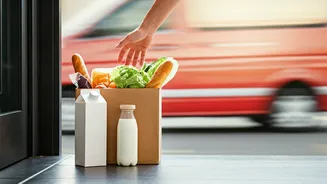
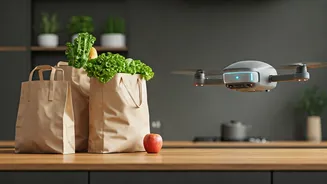
Just a few years ago, the idea of getting groceries delivered in less time than it takes to watch a YouTube video seemed like a luxury. Quick commerce, or q-commerce, entered the Indian market promising ultra-fast delivery for last-minute cravings and
forgotten essentials. Initially seen as a niche for impulse buys, the model has fundamentally rewired consumer expectations. Platforms like Blinkit, Zepto, and Swiggy Instamart have transformed the landscape. The Indian q-commerce market was valued at over USD 3 billion in FY 2024 and is projected to grow significantly, reaching potentially USD 17 billion by 2034. This explosive growth isn't just about market size; it reflects a profound shift in behaviour. What started as a convenience for top-up purchases is now challenging the traditional weekly grocery run.
The New Digital Shopping Cart
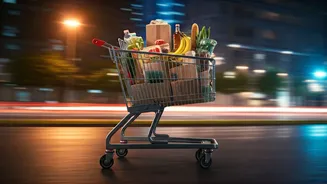
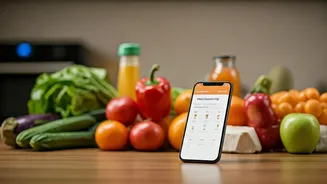
The daily q-commerce order looks very different from the occasional buys of the past. While groceries, snacks, and beverages still dominate, the assortment has expanded dramatically. Consumers are now ordering everything from fresh produce and dairy for their morning chai to electronics, personal care items, and even furniture. This expansion is a key driver of daily use. Platforms report that younger shoppers, particularly Gen Z, are using these services for beauty, wellness, and lifestyle products, not just essentials. This trend is fueled by impulse, with some reports suggesting up to 68% of orders are not pre-planned. The behaviour is shifting from large, infrequent shopping trips to smaller, more frequent 'micro-purchases' made whenever a need arises.
Drivers of the Daily Habit
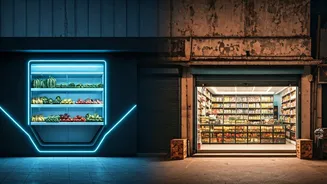
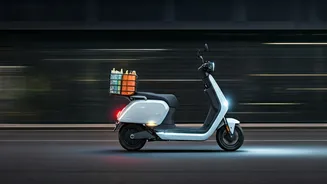
Several factors are cementing q-commerce as a daily utility. Rising smartphone and internet penetration, coupled with increasing urban density, have created the perfect environment. Busy urban lifestyles make the time-saving aspect incredibly appealing, with many consumers willing to pay a premium for speed. The platforms themselves are aggressively expanding their 'dark store' networks—hyperlocal micro-fulfilment centres—to ensure they can meet the 10-to-30-minute delivery promise. Intense competition between players like Blinkit, which leads in market share, Zepto, and Swiggy Instamart keeps the pressure on service quality and speed. This ecosystem has created a powerful feedback loop: as services become faster and more reliable, consumer dependence grows, leading to more frequent orders.
The Ripple Effect on India's Retail
This behavioural shift is sending shockwaves through India's entire retail ecosystem. Traditional kirana stores, which form the backbone of Indian retail, are facing significant competitive pressure from reduced footfall and intense price competition. However, it also presents an opportunity for them to adapt by adopting digital payment systems or partnering with hyperlocal delivery networks. Fast-moving consumer goods (FMCG) brands are also rethinking their strategies. Many are now launching new products exclusively on q-commerce platforms first, recognizing them as a crucial channel to reach engaged consumers and drive premium sales. For some major brands, q-commerce already accounts for a significant portion of their e-commerce sales, highlighting its emergence as a primary growth driver.
The Road Ahead: Profitability and Sustainability
Despite its explosive growth, the future of quick commerce is not without its challenges. The business model is capital-intensive, relying on a high volume of orders to offset the costs of dark stores, delivery fleets, and aggressive marketing. The long-term profitability and financial sustainability of a model built on speed and discounts remain key questions for the industry. Furthermore, as these services expand into Tier II and Tier III cities, they face new logistical hurdles and must adapt to different consumer densities and purchasing power. The 10-minute promise is often harder to keep outside of dense metro areas. The next phase of growth will likely focus not just on speed, but on achieving profitable scale and proving the model can be sustainable in the long run.