



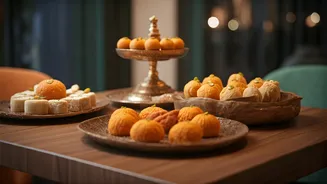
Old Taste, New Audience
A quiet revolution is happening in the world of confectionery. Heritage brands, from the corner-shop mithaiwala to iconic biscuit makers, are reinventing themselves for Generation Z. This isn't just about repackaging old favourites; it's a fundamental
reimagining of what a sweet treat can be. The goal is to bridge the generation gap, making the comforting flavours of the past relevant to the most digitally native, socially conscious, and adventurous generation of consumers yet. This trend, often called 'newstalgia', combines the familiar comfort of classic treats with the novelty and modern sensibilities that Gen Z craves. [11, 26] It’s a delicate balance between honouring a legacy and innovating for the future, and brands across India are rising to the challenge.
What Does Gen Z Crave?
To win over Gen Z, brands must understand that this generation's relationship with food is complex. They are the most engaged dessert cohort, driven by a desire for experiences, not just products. [27] They want unique flavours and textures, often seeking out global mashups like miso caramel or spicy-sweet combinations. [2, 7, 8] At the same time, they prioritise authenticity, transparency, and brand values. [3] This means a preference for 'clean labels' with natural ingredients and a curiosity about a product's story and origins. [4, 13] Furthermore, in the age of social media, the visual appeal is paramount; if it’s not shareable on Instagram or TikTok, it might as well not exist. [19, 27] This generation also shows a strong interest in healthier options, seeking treats with reduced sugar or added functional benefits like protein. [7, 13]
Indian Brands, Modern Twists
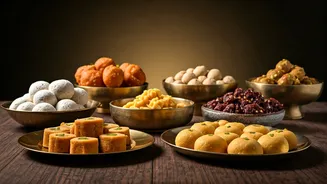
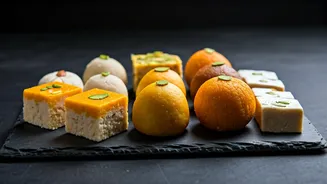
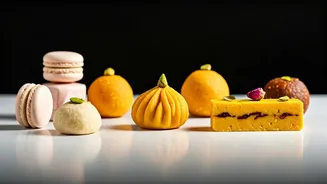
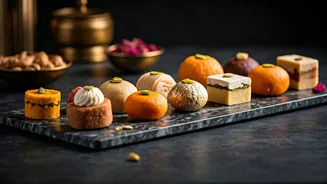
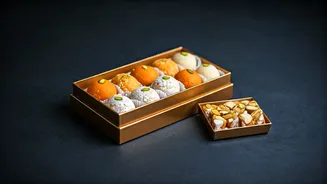
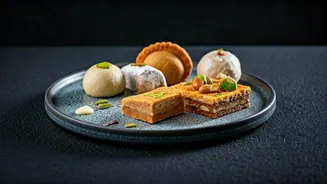
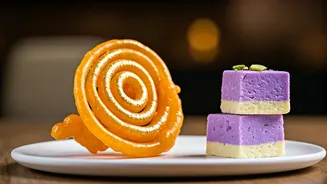
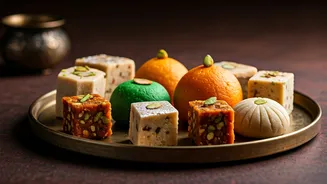
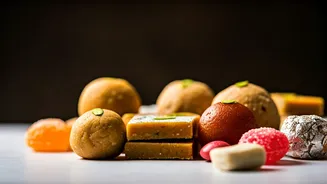
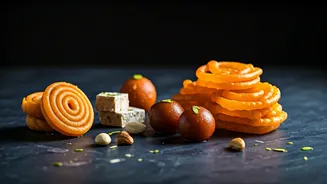
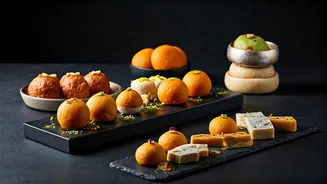
In India, this trend is vibrantly alive, especially in the mithai sector, which is projected to grow significantly. [4] New-age brands like Bombay Sweet Shop, Gur Chini, and Arq Mithai are transforming traditional Indian sweets into premium, year-round indulgences. [4, 6, 9] They are infusing classic recipes with contemporary flavours such as coffee, Biscoff, and matcha, and presenting them in luxurious, design-led packaging. [4, 9] Bombay Sweet Shop, for example, has found success with inventive creations like Coffee Rasgulla Tiramisu and Gulab Jamun Churros. [4] These brands often operate on a direct-to-consumer (D2C) model, using storytelling on social media to build a community and connect directly with a younger, urban audience. [4] It's about making mithai 'cool' again, positioning it not just for festivals but as an everyday luxury. [25]
The Power of Timeless Nostalgia
While new brands are innovating, legacy giants are also adapting. Take Parle-G, a biscuit that is practically a part of India's collective memory. [17] The brand has maintained its iconic status not by radically changing its product, but by reinforcing its emotional connection with consumers across generations. [17, 21] Its marketing strategy masterfully blends nostalgic, values-driven messaging with a savvy digital presence to connect with younger audiences. [12, 20] By keeping its core product consistent and affordable while engaging in modern conversations, Parle-G proves that nostalgia branding isn't just about reviving the past. It’s about showing that a brand has been a trusted part of life's journey, creating a powerful sense of authenticity and reliability that resonates deeply with Gen Z's search for the genuine article in a crowded marketplace. [21]