




An Open-Air Art Gallery
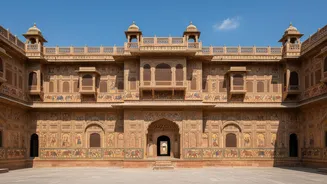
The Shekhawati region, encompassing towns like Mandawa, Nawalgarh, and Fatehpur, was once a bustling hub on the ancient silk trade route. Between the 18th and early 20th centuries, wealthy Marwari merchants, as a display of their prosperity, commissioned
opulent mansions called havelis. Not content with just grand architecture, they hired artists to cover nearly every surface—inside and out—with intricate frescoes. These vibrant paintings depict a fascinating mix of subjects: mythological tales of Krishna, local legends, royal portraits, and surprisingly, impressions of the modern world, including steam trains, cars, and British figures, brought back from the merchants' travels.
From Ruin to Rebirth
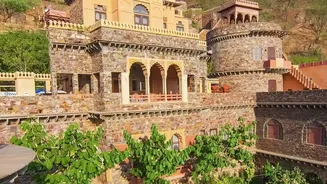
As trade routes shifted, many merchant families moved to burgeoning port cities like Calcutta and Bombay, leaving their lavish homes behind. For decades, these architectural gems faced neglect, the beautiful frescoes fading under the harsh desert sun. However, a quiet conservation movement has taken root. Passionate individuals, heritage conservationists, and sometimes the descendants of the original families, have been painstakingly restoring these structures. Instead of turning them into sterile museums, many have been converted into intimate homestays and boutique hotels, preserving the living soul of the buildings. This approach allows for sustainable tourism that funds further restoration work.
Living Inside a Work of Art
Staying in a restored Shekhawati haveli is unlike any typical hotel experience. Guests don't just look at history; they are immersed in it. You might wake up in a room where the walls are covered in centuries-old paintings, have tea in a courtyard adorned with elaborate archways, or read a book on a jharokha (overhanging balcony) that overlooks a street frozen in time. These homestays blend historical grandeur with modern comforts. While the art and architecture are preserved, the hospitality is warm and personal, often managed by the families who have owned the properties for generations, offering a deep dive into local culture and cuisine.
The Off-Peak Advantage for Art Lovers
While the peak tourist season in Rajasthan runs from October to March, visiting Shekhawati during the off-peak or shoulder months, like the monsoon season (July to September), offers a distinct set of advantages for the art-focused traveler. The most significant benefit is the lack of crowds. You can explore the intricate frescoes of the Podar Haveli Museum or wander the painted lanes of Mandawa without jostling for space, allowing for a more contemplative and personal connection with the art. The summer heat gives way to a cooler, more pleasant climate post-showers, and the landscape takes on a fresh, clean look. This period often brings lower prices for accommodation and a more relaxed pace, enabling deeper interactions with your hosts and local artisans.
Beyond the Frescoes
The experience in Shekhawati extends beyond its painted walls. The region's towns are a delight to explore on foot, with bustling local markets offering handicrafts and textiles. You can engage with local artisans, some of whom still practice traditional crafts passed down through generations. The heritage homestays themselves often become a hub of cultural exchange, where you can learn about the region's unique culinary traditions. A trip to Shekhawati is not just about sightseeing; it's an invitation to slow down and appreciate a rare confluence of art, history, and living culture that has been lovingly preserved against the odds.