








What is Solar Curtailment?
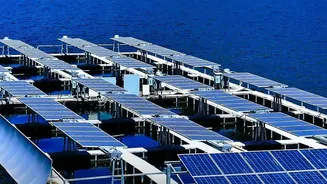
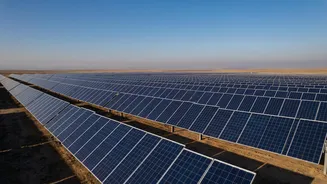
Solar curtailment is the intentional reduction of electricity output from a solar plant, even when it could be generating more power from the available sunlight. Imagine a solar farm basking in the bright midday sun, capable of producing its maximum output.
But instead of sending all that power to homes and businesses, the grid operator instructs the plant to scale back or shut down completely. This isn't a technical fault or a power cut for consumers; it's a command from the grid managers to prevent instability. Between April and June 2026 alone, India curtailed a massive 8,133 gigawatt-hours (GWh) of solar power, highlighting a growing gap between generation and the grid's ability to absorb it.
The Grid's Balancing Act: Too Much of a Good Thing?
An electricity grid is a delicate balancing act that requires supply to match demand precisely at all times. Solar power is variable—it peaks at midday and vanishes at night. When massive amounts of solar power flood the grid simultaneously, especially during periods of low demand, it can create an oversupply that threatens the grid's frequency and stability, increasing the risk of blackouts. To prevent this, operators are forced to curtail the solar generation. This problem is made worse by the inflexibility of India's large fleet of coal-fired power plants, which still account for the majority of electricity. These plants cannot ramp down their output quickly or deeply enough during peak solar hours, leaving less room on the grid for renewable energy.
Our Energy Highways are Clogged
A primary reason for curtailment is that India's solar capacity has grown much faster than the transmission infrastructure needed to carry the power. Solar projects can be built in 12-24 months, while high-voltage transmission lines—the highways for electricity—can take 5-8 years to plan and construct. Many of India's largest solar parks are located in sun-rich but remote areas of states like Rajasthan and Gujarat. While these locations are great for generation, there often aren't enough transmission lines to evacuate all the power produced to the high-demand urban centers. This bottleneck forces grid operators to waste clean power simply because there's no path for it to reach consumers. It is estimated that a third of recently commissioned renewable capacity faces curtailment due to these transmission delays.
The Economic Side of Wasted Power
Beyond technical issues, economic factors also play a role. In some cases, it can be cheaper for state-owned distribution companies (Discoms) to buy power from a conventional source than to manage the variability of solar, especially from older solar projects with higher tariffs. This can lead to what is known as 'commercial curtailment'. While renewable plants in India have 'must-run' status, which legally protects them from being curtailed for economic reasons, enforcement can be inconsistent. The financial impact is significant, leading to lost revenue for solar power developers and undermining investor confidence. These costs can also indirectly be passed on to consumers through electricity tariffs.
The Path to a Solution: Storage and Smarter Grids
Solving curtailment is crucial for India's clean energy goals. The solutions involve a multi-pronged approach. The most direct fix is deploying large-scale Battery Energy Storage Systems (BESS), which can absorb surplus solar power during the day and release it during the evening peak demand. Recognizing this, the government is moving to mandate battery storage for new renewable projects starting from July 2027. Another key step is accelerating the development of transmission infrastructure, such as the Green Energy Corridors, to better connect generation hubs with demand centers. Finally, making the entire system more flexible is vital. This includes modernizing coal plants to ramp up and down faster, and using smart meters and time-of-day tariffs to encourage consumers to shift their electricity usage to sunny hours.