




An Unbreakable Seasonal Bond
There's a certain magic in the air when the monsoon arrives. It’s a sensory overload of petrichor, the earthy scent of rain on dry soil, and the distant rumble of thunder. Inextricably linked to this experience is another aroma: the smoky fragrance of corn
being roasted over hot coals. Across the country, from bustling city streets to quiet highways, the sight of a 'bhuttawalla' fanning embers is a quintessential sign that the season has truly turned. This isn't just about food; it's a ritual. The appeal of bhutta is tied to its seasonal availability. Corn is typically harvested during the monsoon, meaning the cobs you find on the street are at their freshest, making them sweeter and more tender. This connection to the harvest makes enjoying a bhutta feel like a genuine celebration of the season.
The Art of the Perfect Roast
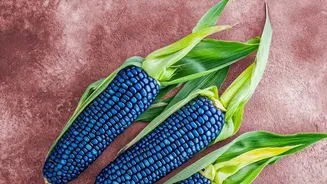
The traditional bhutta experience starts with the fire. Vendors expertly turn the cobs over crackling charcoal, their hands moving with a practiced rhythm to ensure an even char. This process is crucial, as the open flame imparts a smoky flavour that can't be replicated in a modern kitchen. The kernels pop and blacken in spots, creating a delightful texture that is both crunchy and chewy. It’s a rustic, raw preparation that gives your teeth a satisfying workout. While American sweet corn has become popular, many purists swear by the desi (native) variety. This version, often with white kernels, is starchier and has a more robust, earthy taste that pairs perfectly with the smokiness of the charcoal.
A Classic Trio of Flavours
Once roasted to perfection, the bhutta is dressed. The vendor takes half a lime, dips it into a mixture of salt and red chilli powder, and then rubs it vigorously across the hot cob. This simple act releases the lime's juice, which sizzles as it hits the warm kernels, helping the spices adhere. The result is a flavour explosion: the smokiness of the roast, the tang of the lime, the heat of the chilli, and the sharp taste of salt all come together in perfect harmony. This classic combination is the taste of the Indian monsoon for countless people, a flavour profile etched into childhood memories of waiting for the rain to stop.
The Modern Makeover: From Butter to Chaat
While the classic salt-and-lime bhutta remains a favourite, the humble snack has evolved. Today, it’s not uncommon to find vendors offering a range of modern toppings. A generous brushing of melted butter is a popular first step, adding a layer of richness. From there, the possibilities expand. Chaat masala, a complex spice blend, is now a frequent addition, lending a tangy and slightly funky depth. Other popular spices include black salt (kala namak), cumin powder, and amchur (dry mango powder) for extra sourness. This evolution has also led to off-the-cob creations like corn chaat, where boiled or roasted kernels are tossed with chopped onions, tomatoes, and various spices for a refreshing salad-like snack.
An Affordable, Unifying Experience
In a world of gourmet cafes and trendy food fads, the enduring popularity of bhutta lies in its simplicity and accessibility. It's one of the most affordable street foods available, making it a treat that people from all walks of life can enjoy. It’s a snack that unites generations, enjoyed by children and elders alike. More than just a way to satisfy hunger, bhutta is a comfort food that provides warmth on a cool, rainy day and serves as a backdrop for social connection. It’s the snack you eat while huddled under an awning with friends, on a long drive through the countryside, or during an evening walk. It's a taste of nostalgia and simple pleasures, a reminder that some of the best things in life don't need to be complicated.