





The Expressway Effect: Slashing Travel Times
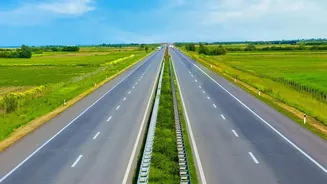
The most significant changes are happening on the roads. The much-awaited Ahmedabad-Dholera Expressway, a 109-km corridor, has been undergoing public testing since February 2026 and is expected to be fully commissioned by mid-2026. This will slash the travel
time between Ahmedabad and the Dholera Special Investment Region (SIR) from over two hours to just 45 minutes. For weekend travellers, this brings Bhavnagar and the surrounding coastal region nearly two hours closer. Meanwhile, the Vadodara-Mumbai section of the Delhi-Mumbai Expressway is targeting a June 2026 completion. While some packages in Gujarat are delayed, major stretches are already operational. This eight-lane expressway is designed to reduce the overall Delhi-Mumbai journey to just 12 hours from the previous 24, which means a drive from Vadodara or Surat to Mumbai will become significantly faster, opening up cross-state weekend trip possibilities that were previously too time-consuming.
New Gateways to Saurashtra and South Gujarat
Beyond the headline projects, several other key road networks are transforming regional access. The government has approved two major expressways: the Namo Shakti Expressway connecting Deesa to Pipavav port and the Somnath-Dwarka Expressway. These projects, a combined investment of over ₹96,000 crore, will drastically improve connectivity to religious and coastal tourism hubs. The Somnath-Dwarka route, for instance, will reduce the Ahmedabad-Somnath travel time to about four hours, making a pilgrimage or a coastal trip much more feasible for a standard weekend. In South Gujarat, a ₹1,185 crore plan is underway to upgrade roads in Surat, Navsari, Dang, and Valsad districts. This initiative focuses on improving access to eco-tourism destinations like Saputara, Vansda National Park, and Wilson Hills. For city dwellers in Ahmedabad, Vadodara, and Surat, this means smoother and faster journeys to Gujarat's only hill station and its surrounding forests and waterfalls.
The Bullet Train and Rail Upgrades
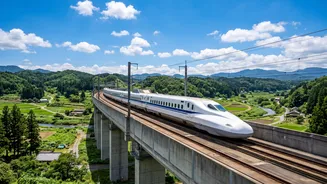
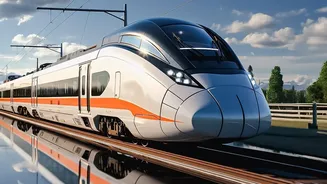
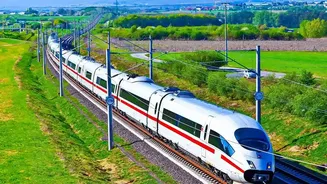
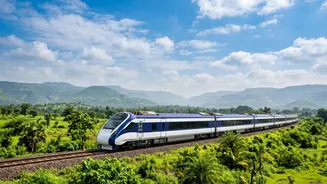
While road travel gets a major boost, the rail network is also seeing significant advancements. The Mumbai-Ahmedabad High-Speed Rail (MAHSR), popularly known as the bullet train project, is progressing rapidly. The first test coach has been manufactured, and the civil work on the Vapi-Surat section is expected to be completed by December 2026. The Surat-Bilimora section is targeted for a 2027 commissioning. Once fully operational, the bullet train will cut the journey between Mumbai and Ahmedabad to just under two hours, making weekend trips between India's financial capital and Gujarat's commercial hub incredibly convenient. Alongside the bullet train, Prime Minister Narendra Modi is slated to launch a suite of other railway projects in Gujarat worth over ₹35,000 crore on September 8, 2026. These include new lines, gauge conversions, and the dedication of the completed Western Dedicated Freight Corridor, which will free up capacity on existing passenger lines.
What This Means for Weekend Itineraries
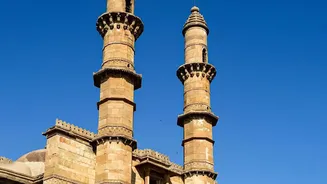
The cumulative effect of these projects is a re-imagining of the weekend travel map. Destinations that once required a long weekend or an overnight bus journey will soon be accessible for a quick Saturday-Sunday trip. From Ahmedabad, a drive to the historic sites of Champaner-Pavagadh, the blackbuck sanctuary at Velavadar, or even Gujarat's only hill station, Saputara, will become much shorter. The new expressways will bring pilgrimage sites like Dwarka and Somnath within a comfortable day's drive. For those in Surat and Vadodara, the improved connectivity to Mumbai and the eco-tourism spots of the Dang district opens up a host of new options. Even previously remote historical sites like the Indus Valley civilisation ruins at Dholavira, now connected by a world-class expressway, are set to become mainstream tourist destinations.