








The IMD's Four-Colour System
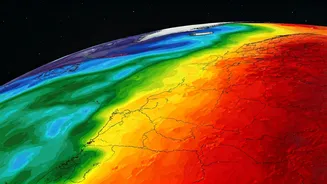
The India Meteorological Department (IMD), the country's official weather agency, uses a four-colour code to warn citizens about a wide range of weather events. These include not only heavy rainfall and cyclones but also thunderstorms, heatwaves, cold
waves, and hailstorms. The system is designed to be simple and easy to understand, allowing the public and authorities to quickly grasp the severity of a forecast and take appropriate action. For travellers, understanding these alerts is key to a safe and hassle-free journey, helping you decide whether to proceed, exercise caution, or cancel your plans altogether.
Green Alert: All is Well
A Green alert means there is no severe weather expected that would require a specific advisory. For a traveller, this is the best-case scenario. It signals that conditions are favourable for all activities, whether you are planning a trek, a city tour, or a day at the beach. While there might be light showers or normal weather fluctuations, no significant disruptions are anticipated. You can generally proceed with your travel plans without any weather-related concerns. Essentially, it's a signal that 'all is well'.
Yellow Alert: Be Aware
When the IMD issues a Yellow alert, it's a sign to 'Be Aware'. This means that weather conditions are likely to change and could potentially cause disruptions to your daily activities. A Yellow alert could signify moderate rainfall, which might lead to localised flooding, or the beginning of a heatwave. For travellers, this is a prompt to stay updated. Keep a close watch on the forecast, be cautious in low-lying areas, and perhaps have a backup plan for outdoor activities. Your trip isn't necessarily ruined, but it requires a level of watchfulness.
Orange Alert: Be Prepared
An Orange alert, also known as 'Be Prepared', indicates a higher level of threat. The forecast predicts extremely bad weather that has the potential to disrupt travel and daily life. This could mean heavy to very heavy rainfall (between 115.6 mm and 204.4 mm in 24 hours), which can cause significant flooding, road closures, and power outages. If you're a traveller seeing an Orange alert for your destination, it's time to seriously reconsider your plans. You should be prepared for major disruptions, and it might be safer to stay indoors or postpone your journey.
Red Alert: Take Action
A Red alert is the highest level of warning and means one thing: 'Take Action'. It is issued when weather conditions are expected to be exceptionally severe, posing a significant risk to life and property. This could be due to extremely heavy rainfall (over 204.5 mm in 24 hours), a severe cyclone, or a dangerous heatwave. A Red alert signifies a high likelihood of widespread flooding, major disruption to transport and power, and the need for evacuations. For travellers, a Red alert is a clear signal to avoid travel to the affected area. Prioritise your safety, follow instructions from local authorities, and do not take risks.
Putting It All Together
Understanding these colours is the first step. The second is using the information wisely. Before any trip, check the IMD's official website (mausam.imd.gov.in) or app for the latest district-wise warnings. Remember that conditions in hilly areas can change rapidly, and a heavy rain warning could mean a risk of landslides. Similarly, a heatwave Red alert means reconsidering outdoor tourism entirely, not just for the afternoon. Always have a flexible itinerary and be prepared to change your plans based on the latest official advice to ensure your travels are both enjoyable and safe.