




The Science of the Monsoon's Cloudy Veil
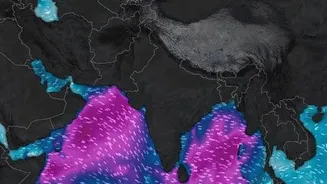
The Indian summer monsoon is a massive weather system driven by temperature differences between the land and the Indian Ocean. As the land heats up, it creates a low-pressure area that pulls in moisture-rich winds from the sea. This air is warm and extremely
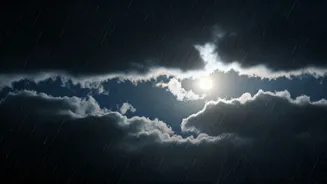
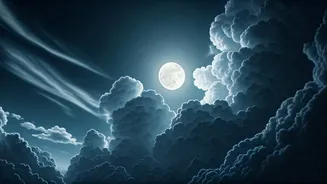
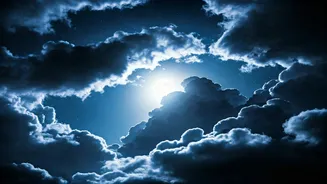
humid. As it moves over the land and rises, it cools, and the water vapour condenses to form extensive, thick clouds. Unlike the scattered clouds of other seasons, monsoon clouds often form in dense, widespread layers that can persist for days, creating an almost continuous barrier for skywatchers. The atmosphere is saturated with moisture, meaning that even on nights without active rain, a heavy haze and thick cloud cover can completely obscure celestial objects. The very mechanism that brings life-giving rain to the subcontinent is what hides the full moon from our view.
Mark Your Calendars: 2026 Monsoon Full Moons
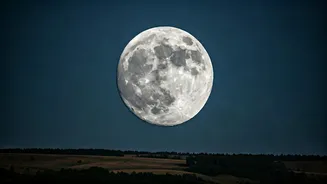
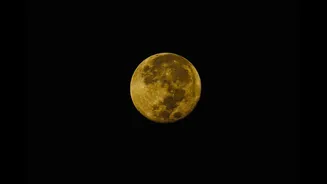
Despite the challenges, there are several full moons to look forward to during the 2026 monsoon season. Knowing the dates can help you plan and watch for those rare, clear moments. The full moon at the end of June, known as the Strawberry Moon, peaked on the morning of June 30th. The next full moons of the season are the Buck Moon in July, the Sturgeon Moon in August, and the Corn Moon in September. Key dates for India are: - July 29, 2026 (Wednesday): The Buck Moon will reach its peak fullness in the evening. - August 28, 2026 (Friday): The Sturgeon Moon will be visible, reaching peak illumination in the morning. - September 26, 2026 (Saturday): The Corn Moon will peak late in the evening.
When Culture Meets the Clouds
These monsoon full moons are not just astronomical events; they hold deep cultural significance. The full moon of the Ashadha month, falling on July 29, 2026, is celebrated as Guru Purnima. This is a day for honouring teachers and spiritual guides across Hindu, Buddhist, and Jain traditions. It also marks the traditional beginning of Chaturmas, a four-month period of spiritual observance that coincides with the rainy season. Similarly, the full moon in the month of Shravana is when Raksha Bandhan is celebrated, which falls on August 28, 2026. This cherished festival celebrates the bond between brothers and sisters. The cloudy skies add a layer of suspense to these festivals, where a glimpse of the full moon is often considered an auspicious blessing.
How to Maximise Your Viewing Chances
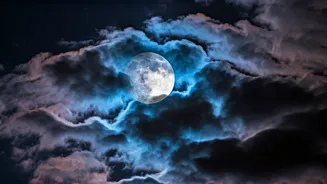
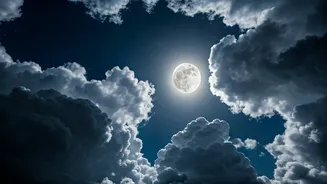
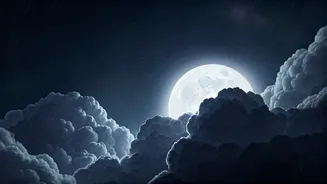
While you can't control the weather, you can improve your odds of spotting the moon. First, be patient. The weather can change quickly, and breaks in the clouds, often called "sucker holes" by astronomers, can offer fleeting but amazing views. Using weather apps with satellite and radar maps can help you spot potential clearings in the cloud cover moving your way. Location matters. If possible, head to an area with less light pollution and a clear view of the horizon. Sometimes, the moon is visible through thin, high-altitude clouds, creating a beautiful halo effect. Mobile apps like Google Sky Map or Star Walk can help you pinpoint the moon's position in the sky even when it's hidden, so you know exactly where to look if a gap appears. Even a simple pair of binoculars can dramatically enhance the view, revealing craters and other surface details along the terminator—the line between light and dark—where shadows are longest.
Managing Expectations and Finding Alternatives
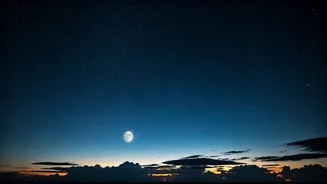
The hard truth is that during the peak of the monsoon, especially in coastal regions and the Western Ghats, clear nights are the exception, not the rule. It’s important to manage expectations and not let a cloudy sky ruin your plans. Sometimes, the most you'll see is a diffused glow behind the clouds. However, this can be beautiful in its own right, creating an ethereal, moody atmosphere that is unique to the season. Instead of focusing solely on a perfect view, you can embrace the experience. If you're a photographer, a moonlit cloudy sky offers dramatic and creative opportunities. And if the celestial show is a complete washout, you can always turn to NASA's online resources, like the Lunar Reconnaissance Orbiter's image gallery, to get a stunningly detailed view of the lunar surface from the comfort of your home.