







A High-Quality Waterproof Jacket
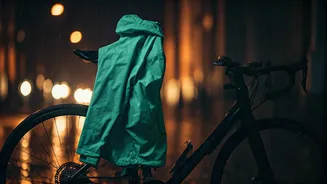
The cornerstone of any rainy-day cycling kit is a reliable waterproof jacket. Look for options with a high waterproof rating (often measured in millimeters) and features like fully taped seams to prevent leaks. Breathability is just as crucial; a good
jacket will allow sweat to escape, preventing that dreaded 'boil-in-the-bag' feeling. Many cycling-specific jackets also feature a dropped tail to protect your lower back from road spray, a two-way zip for ventilation, and reflective details to enhance your visibility in gloomy conditions. While some high-end materials offer incredible performance, there are excellent budget-friendly options that provide solid protection for commuting and recreational rides.
Waterproof Trousers and Shoe Covers
A jacket only solves half the problem. Waterproof trousers are essential for keeping your legs dry, especially on longer commutes or trail rides. Look for pairs with an ergonomic fit that won't restrict your pedaling motion. For your feet, which are often the first thing to get soaked, waterproof shoe covers, or overshoes, are a game-changer. Neoprene is a popular material as it insulates well even when wet, keeping your feet warm. For maximum protection, pair them with waterproof socks. This combination ensures your lower body stays dry and warm, which is critical for comfort and control.
Full-Coverage Mudguards
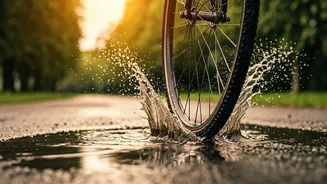
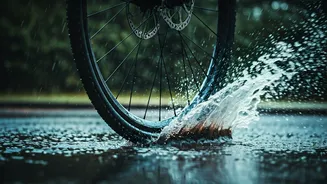
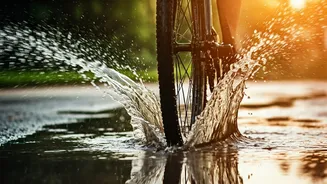
Often overlooked by casual cyclists, full-coverage mudguards (or fenders) are perhaps the single most transformative accessory for wet-weather riding. While a jacket protects you from rain falling from the sky, mudguards block the constant spray of water and grime kicked up by your own wheels. This not only keeps your feet, legs, and back significantly drier, but it also protects your bike's components, like the chain and gears, from getting clogged with dirt, reducing wear and tear. They also make you a much more considerate riding companion in a group, as they prevent you from spraying the person behind you.
Bright, Water-Resistant Lights
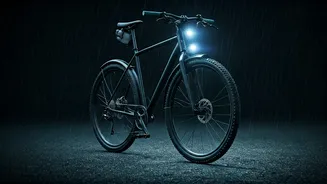
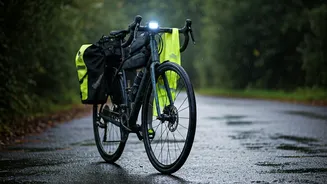
Rainy conditions mean reduced visibility for everyone on the road. It is crucial to use bright front and rear lights, even during the daytime, to ensure you are seen by motorists and pedestrians. Flashing lights can be particularly effective at attracting attention. When choosing lights, ensure they are rated as water-resistant or waterproof to withstand a downpour without failing. A good headlight not only makes you visible but also helps you spot hazards like potholes, which can be hidden by puddles and reflections on wet roads.
Waterproof Gloves and Cycling Cap
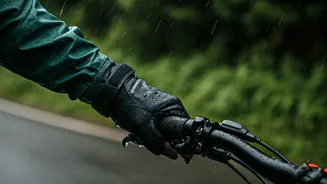
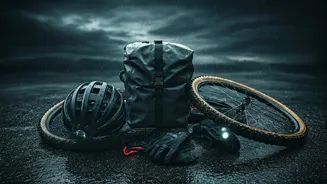
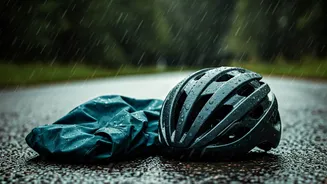
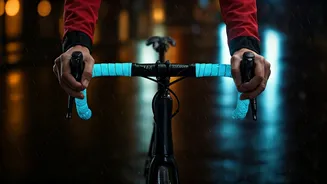
Cold, wet hands quickly become stiff and numb, reducing your ability to brake and shift gears effectively. A good pair of waterproof gloves is essential for both comfort and safety. Look for a pair that offers a good grip on the handlebars even when wet. For your head, a simple cycling cap worn under your helmet works wonders. Its peak helps to keep rain from dripping into your eyes and obstructing your vision, a small detail that makes a massive difference when navigating wet streets. Some riders also opt for a waterproof helmet cover for extra protection.
Waterproof Bag or Cover
If you're commuting with a laptop, change of clothes, or anything else you need to keep dry, a waterproof backpack or pannier is a must. Many bags advertised as 'water-resistant' will eventually let water seep through the zips and seams during a sustained downpour. A truly waterproof bag with sealed seams or a roll-top closure is the safest bet. Alternatively, a high-visibility, waterproof backpack cover is an excellent and often more affordable option. It slips over your existing bag, keeping the contents completely dry while also boosting your visibility.