



A Month of Rain and Rejuvenation
Karkidakam, the last month in the Malayalam calendar which falls between mid-July and mid-August, is a time of intense monsoon rains in Kerala. Traditionally, this was a challenging period, often called the 'month of scarcity' due to relentless downpours
that hindered work and depleted resources. However, Ayurvedic wisdom views this time differently. It is believed that during the monsoon, the body's digestive fire (Agni) is weakened, and immunity is low, making it susceptible to illness. But this period of vulnerability is also seen as the most receptive time for rejuvenation therapies. The moist climate is thought to open the body's pores, making it more absorbent to treatments and medicinal foods designed to detoxify and strengthen it from within.
A Bowl of Ayurvedic Wisdom
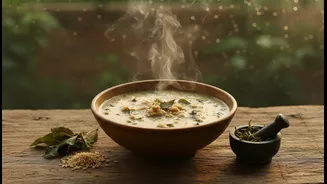
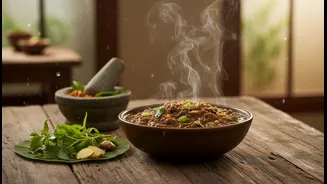
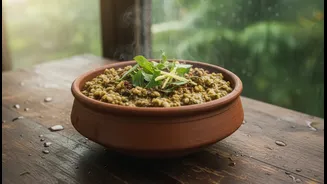
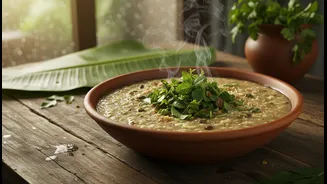
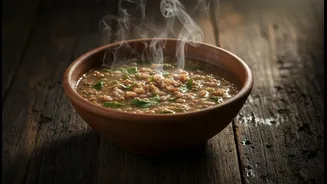
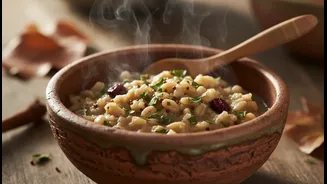
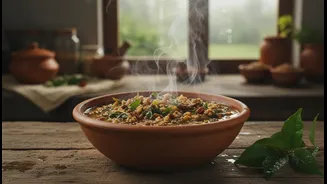
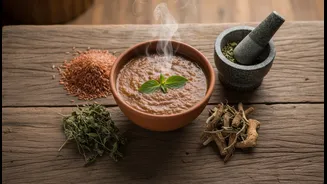
Enter Karkidaka Kanji, also known as Oushadha Kanji or medicinal gruel. This is not an ordinary rice porridge. It is a carefully formulated dish designed to support the body through the challenging monsoon season. The base is often Njavara rice, a medicinal variety native to Kerala, known for being light on the digestive system. This is cooked with a host of herbs and spices, each with a specific purpose. Ingredients like fenugreek, cumin, dry ginger, and black pepper are chosen to rekindle digestive fire and ease bloating. Herbal formulations like Dashamoola (a group of ten roots) and Dashapushpam (ten sacred flowers) are often included to boost immunity and reduce inflammation. Eaten typically for a period of 7, 14, or 21 days, this warm, nourishing porridge embodies the Ayurvedic principle of 'food as medicine'.
Tradition in a Modern Package
For centuries, the knowledge of preparing Karkidaka Kanji was passed down through families, with ingredients foraged from the backyard. Today, this tradition is experiencing a modern revival, but in a new form. As lifestyles have changed, fewer people have the time or access to gather the specific herbs required. Sensing this gap, Ayurvedic companies and local businesses have stepped in, offering 'Karkidaka Kanji kits'. These ready-to-cook packages contain the Njavara rice and a powdered mix of all the necessary herbs and spices, making the tradition accessible to busy urban households. This commercialization has played a dual role: it has saved the practice from fading into obscurity and has introduced it to a new, younger generation. However, it also raises questions about standardization versus the personalized, intuitive cooking of the past.
The Return of Pantry Wisdom
The resurgence of Karkidaka Kanji is not an isolated phenomenon. It is part of a larger, nationwide trend of rediscovering 'pantry wisdom'—the deep, generational knowledge of using everyday ingredients for wellness. Across India, there is a growing interest in the foods our grandmothers championed. From the use of turmeric for its anti-inflammatory properties to the inclusion of millets for their resilience and nutritional value, Indians are increasingly looking to their own culinary heritage for answers to modern health concerns. This movement is about more than just nostalgia; it's a conscious choice to embrace local, seasonal, and sustainable eating practices that are rooted in centuries of observation and experience. It is a pushback against a globalized food culture and a reclaiming of regional identity through taste and tradition.
A Blueprint for the Future?
The journey of Karkidaka Kanji from a household remedy to a commercially available wellness product offers a blueprint for the future of other regional Indian foods. It shows that for traditional foods to survive, they must adapt to modern lives without losing their essence. The success lies in balancing authenticity with convenience. As this model proves effective, we may see a similar revival of other seasonal monsoon specialties, whether it's the millet-based porridges of the Northeast or other regional gruels designed to combat the damp and cold. The key challenge will be to ensure that this commercialization empowers local communities and preserves the integrity of the tradition, rather than simply commodifying it for a mass market. The story of Karkidaka Kanji suggests a future where ancient pantry wisdom doesn't just survive but thrives, finding a place in our kitchens and our lives for generations to come.