




An Ancient Ingredient's Modern Comeback
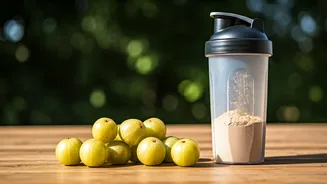
For centuries, amla, or the Indian gooseberry, has been a cornerstone of Ayurveda. Revered for its rejuvenating properties, it’s a household name in India, often consumed as a pickle, murabba, or juice. But its latest avatar—a fine, potent, sun-dried
powder—is capturing the attention of a new generation: fitness enthusiasts. The shift is part of a larger wellness trend that prioritises natural, whole-food-based solutions over highly processed alternatives. People are looking for supplements with a clean ingredient list and a story, and amla, with its deep cultural roots and documented benefits, fits the bill perfectly.
What Happens After a Workout?
To understand why amla is so effective, we need to look at what exercise does to the body. Intense physical activity, while good for you, creates microscopic tears in your muscle fibres and generates oxidative stress. This process triggers inflammation, leading to the dreaded Delayed Onset Muscle Soreness (DOMS) that can make walking downstairs a challenge. An effective post-workout recovery plan aims to repair this muscle damage, manage inflammation, and replenish depleted nutrient stores. While protein is crucial for muscle repair, managing the inflammation and oxidative stress is the other half of the recovery equation.
The Vitamin C and Antioxidant Powerhouse
This is where amla shines. It is one of the most potent natural sources of Vitamin C on the planet, containing significantly more than an orange. Unlike synthetic Vitamin C, the ascorbic acid in amla is bound with tannins, which protect it from degradation and help the body absorb it more slowly and effectively. This powerful antioxidant action is critical after a workout. Antioxidants neutralise free radicals, the unstable molecules that cause oxidative stress, thereby protecting cells from damage and speeding up the recovery process. Consuming amla powder post-exercise helps your body fight this stress right when it needs it most.
Taming Inflammation and Muscle Soreness
Beyond its antioxidant properties, amla is a powerful anti-inflammatory agent. Studies have shown that its polyphenols and flavonoids can help reduce the inflammatory markers that spike after strenuous exercise. By calming this inflammation, amla powder can potentially lessen the severity and duration of muscle soreness. Think of it as a natural, internal balm for your aching muscles. For athletes and regular gym-goers, this means quicker recovery times, less discomfort, and the ability to get back to training sooner and more consistently.
How to Incorporate Amla Powder
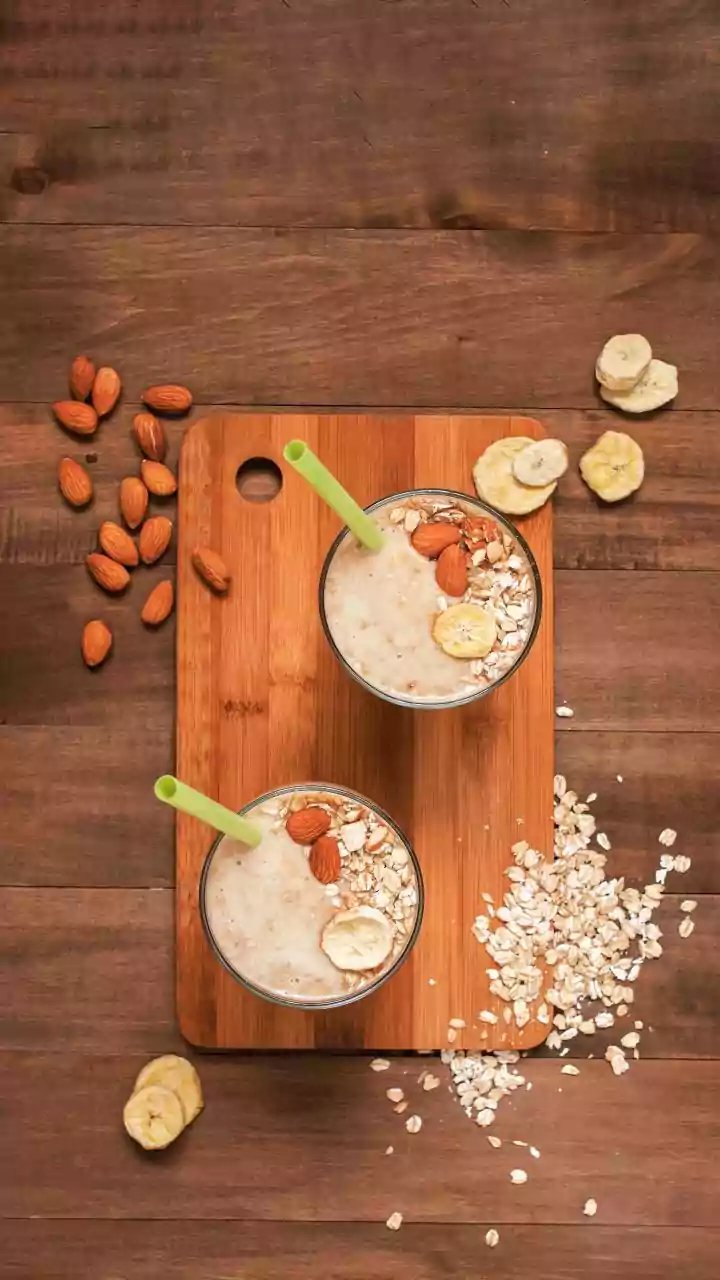
Adding sun-dried amla powder to your post-workout routine is incredibly simple. Its taste is distinctly sour and astringent, so it’s best mixed with other flavours. A common starting dose is about one teaspoon (3-5 grams). Here are a few easy ways to use it: - **Post-Workout Smoothie:** Blend it into your regular fruit or protein smoothie. The sweetness of bananas or dates can help balance its tartness. - **Simple Water Mix:** For a no-fuss option, simply stir a teaspoon into a glass of room-temperature water and drink it quickly. - **With Yogurt or Curd:** Mixing it into a bowl of dahi or yogurt provides a combination of probiotics and antioxidants, further aiding gut health and recovery.