




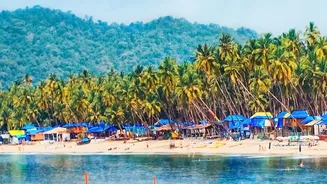
What is the Blue Flag?
The Blue Flag is one of the world's most recognized voluntary eco-labels awarded to beaches, marinas, and sustainable boating tourism operators. Awarded by the Denmark-based Foundation for Environmental Education (FEE), an international non-profit, this
certification is a global stamp of approval. It is not a permanent title; the certification is awarded for a single season and must be reapplied for annually, ensuring standards are consistently maintained. To earn the flag, a beach must meet and maintain a series of stringent environmental, educational, safety, and accessibility criteria. Think of it as an Oscar for beaches, recognizing excellence in every aspect of its management and presentation.
The Four Pillars of Excellence
The Blue Flag criteria are built on four main pillars. The first is 'Water Quality,' where bathing water must be of 'excellent' quality, tested frequently for bacteria and free from industrial or sewage-related discharges. The second, 'Environmental Management,' requires the beach to be clean, have waste separation and recycling systems, and control activities that could harm the local ecosystem. Third is 'Safety and Services,' which mandates the presence of lifeguards or life-saving equipment, first-aid facilities, and clean, accessible amenities for all, including people with disabilities. The final pillar, 'Environmental Education and Information,' requires displaying information about the local ecosystem, water quality, and a code of conduct for visitors. A beach must satisfy all of these demanding conditions to fly the flag.
Maharashtra's Landmark Achievement
In a landmark moment for the state's tourism and environmental efforts, Maharashtra made its debut on the Blue Flag list in November 2026. Three beaches—Guhagar and Ladghar in Ratnagiri district, and Shrivardhan in Raigad district—received the certification for the 2026-27 season. This significant achievement is the result of coordinated efforts between state and local government bodies, as well as local communities. With these additions, India's total count of Blue Flag certified beaches has risen to 22. The Blue Flag season for these newly awarded beaches officially begins on November 15, 2026.
Guhagar: Pristine Sands Meet Global Standards
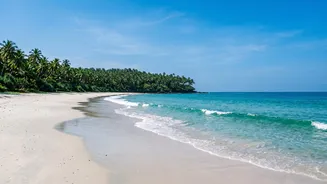
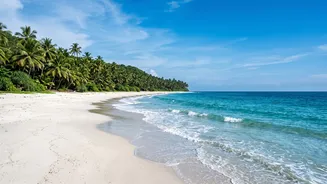
Guhagar, a serene town in Ratnagiri, is famous for its long, pristine stretch of white sand lined with a dense grove of casuarina ('suru') trees. For years, it has been a beloved destination for those seeking tranquility away from crowded tourist spots. The Blue Flag certification is a formal international recognition of what many visitors already knew: Guhagar is exceptionally clean and well-maintained. The award validates the low-impact, sustainable tourism infrastructure that has been developed, ensuring that the beach’s natural charm is preserved while providing safe and clean bathing waters for everyone.
Ladghar: The 'Tamas Teertha' Is Crowned
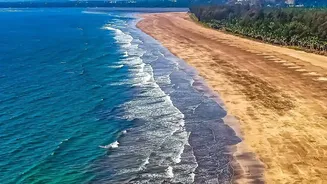
Ladghar Beach, located near Dapoli in Ratnagiri, offers a unique natural spectacle. It is popularly known as 'Tamas Teertha' because a part of its shoreline has a distinct reddish tinge, creating a stunning visual, especially at sunset. The beach is also known for its calm, shallow waters and as a spot for dolphin-watching eco-tours. Achieving the Blue Flag certification here is particularly important. It signifies a commitment to protecting this unique coastal biodiversity while enhancing visitor safety and facilities. The award sends a clear message that tourism can coexist with, and even support, the conservation of a sensitive and special natural environment.