






The Great Protein Fixation
It seems everyone is suddenly talking about protein. It’s the hero of every diet plan and the star of new food products hitting the shelves. This national conversation is long overdue. Studies suggest that a staggering 73% of urban Indians are protein-deficient,
and the majority are unaware of their daily requirements. This deficiency contributes to fatigue, poor muscle health, and slower recovery. The Indian Council of Medical Research (ICMR) recommends a baseline of 0.83 grams of protein per kilogram of body weight for a sedentary adult, which means a 65kg person needs about 54 grams daily. Government initiatives like the 'Protein-Rich Foods' campaign under the Rashtriya Poshan Maah aim to raise awareness and tackle this gap. However, the solution isn't as simple as just eating more paneer or adding a scoop of protein powder to your milk.
More Than Just a Gram Count
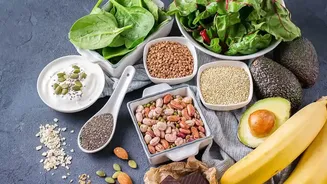
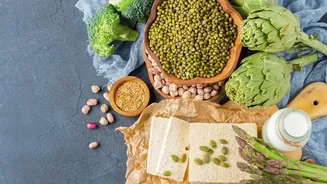
Achieving a daily protein target is a good start, but it's not the end of the story. The body doesn't just see a number; it sees a complex puzzle of nutrients that must work together. This is where dietary diversity comes in. Focusing only on protein is like trying to build a house with just bricks, forgetting the cement, water, and labour needed to hold it all together. Different protein sources offer different profiles of amino acids, the building blocks of protein. While animal proteins are 'complete' (containing all nine essential amino acids), most plant proteins are 'incomplete'. But by combining different plant foods, like the classic dal and rice, you can easily create a complete protein profile. A diet that rotates through various dals, legumes, seeds, and grains is far more powerful than one that relies on the same one or two protein sources every day.
The Symphony of Micronutrients
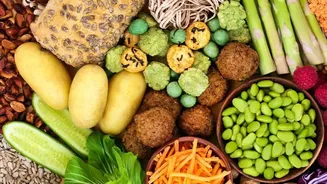
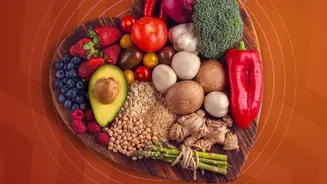
For your body to effectively use the protein you eat—a process called protein synthesis—it needs a team of helpers in the form of micronutrients. Think of vitamins and minerals as the managers on a construction site. B vitamins are crucial for metabolising proteins, fats, and carbohydrates into usable energy. Iron helps transport oxygen to your muscles, which is vital for repair and growth, while zinc and Vitamin C are essential for healing muscle tissue after exertion. Without adequate amounts of these micronutrients, the protein you consume may not be used efficiently, no matter how high your intake is. A varied diet rich in colourful fruits, vegetables, and whole grains ensures you're not just getting the protein, but also the co-factors needed to put it to work.
Beyond Paneer and Pulses
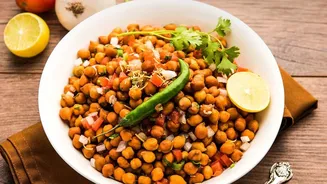
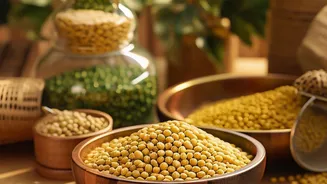
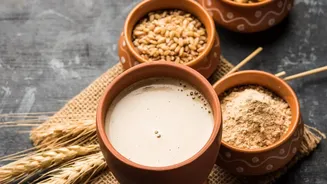
When Indians think of protein, a few usual suspects come to mind: dal, paneer, chicken, and eggs. While these are excellent sources, our rich culinary heritage offers a much wider palette. Millets like bajra and jowar, seeds like flax and chia, and local greens all contribute to your protein intake while also providing fibre, vitamins, and minerals. Soya chunks are a powerhouse, containing about 52g of protein per 100g (dry). Peanuts, besan (gram flour), and sattu are other affordable, accessible, and protein-dense options often overlooked in modern diets. By embracing this diversity, you not only make your meals more interesting but also ensure a broader spectrum of nutrients, supporting everything from gut health to hormone regulation.
The Gut-Health Connection
A healthy gut is the foundation of overall health, and it thrives on diversity. The trillions of microbes in your digestive system need a variety of foods, especially fibre from different plant sources, to flourish. A diverse microbiome doesn't just improve digestion; it enhances your body's ability to absorb nutrients, including the protein and micronutrients from your food. A diet that repeatedly cycles through the same limited foods can lead to a less resilient gut environment. By contrast, eating a wide array of vegetables, fruits, grains, and legumes feeds a wider range of beneficial bacteria. This, in turn, can reduce inflammation and improve your metabolic health, making your protein push far more effective in the long run.