



The Challenge of Low-Light Corners
That awkward corner far from a window seems perfect for a plant, but it's a danger zone for most. In low light, a plant's primary challenge is the lack of energy from the sun. This can lead to 'legginess', where stems stretch out desperately searching
for light, and pale, yellowing leaves. A common mistake is overwatering; without enough light to fuel growth, plants don't use as much water, making them highly susceptible to root rot in soggy soil. The key is to choose plants that are naturally adapted to shady forest floors. For these spots, think of Snake Plants, ZZ Plants, and the ever-forgiving Pothos (Money Plant). These varieties are tolerant of lower light conditions. Care here is about restraint. Water only when the top few inches of soil are completely dry, and dust the leaves regularly, as a layer of household dust can block what little light the plant receives.
Taming the Bright, Sunny Window
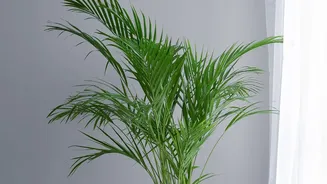
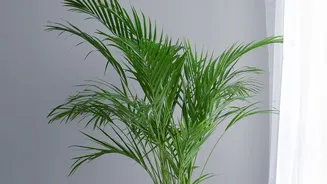
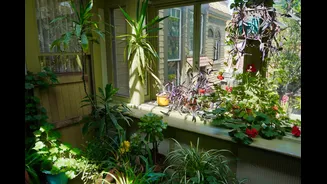
A south or west-facing window in an Indian summer can be brutal, essentially cooking any plant that isn't prepared for it. While light is crucial, too much direct, harsh sun can scorch leaves, leaving brown, crispy patches and faded colour. The intense heat also causes soil to dry out rapidly, stressing the plant and making it more vulnerable to pests like spider mites, which thrive in hot, dry conditions. For these sunny spots, you need plants that love the sun. Think of succulents, a colourful Croton, or an Areca Palm placed just far enough away to get bright, but not direct, scorching light. You can also filter the intense light with sheer curtains. The care routine here is the opposite of a low-light corner. You'll need to check for water more frequently, possibly multiple times a week in peak summer. Water deeply, allowing the excess to drain away, and keep an eye out for any signs of sunburn on the leaves.
Surviving the Air-Conditioned Room
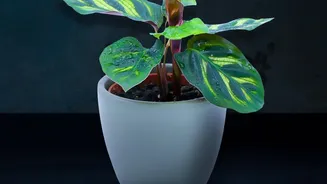
Air conditioning is a non-negotiable part of modern Indian life, but it creates a desert-like environment for most tropical plants. ACs strip moisture from the air, drastically lowering humidity and causing problems like brown, crispy leaf tips on humidity-loving plants like ferns and Calatheas. The constant cold drafts can also shock plants, slowing their growth as if it were winter. Plants in AC rooms often lose water from their leaves faster, while the soil might still be damp, confusing watering schedules. Robust plants like the Snake Plant, ZZ Plant, and Rubber Plant can tolerate these conditions better than most. To help more sensitive plants survive, you have to manually increase humidity. Misting the leaves a few times a week, grouping plants together to create a humid microclimate, or placing them on a tray filled with pebbles and water are all effective strategies. Crucially, keep plants out of the direct line of fire from AC vents to avoid cold drafts.
A Universal Rule: Observe Your Plant
While these guidelines provide a strong starting point, the most important skill for any plant parent is observation. No two homes are identical, and even different spots in the same room can have varied conditions. Rather than watering on a strict schedule, get into the habit of checking the soil with your finger. Is the top inch dry? It might be time to water. Is it still damp? Wait a few more days. Look at the leaves. Are they droopy, yellow, or crisp? These are all signs your plant is trying to tell you something. A 'black thumb' is often just a simple mismatch between a plant's needs and its environment. Understanding the light, temperature, and humidity of your specific space is the first and most critical step towards building a thriving indoor garden.