



The Rise of the Visual Feast
It began innocently enough with a filtered photo of a cupcake on Instagram. Now, a significant portion of social media is a sprawling, digital buffet. Platforms like Instagram and TikTok have transformed dining into a visual-first experience. Restaurants
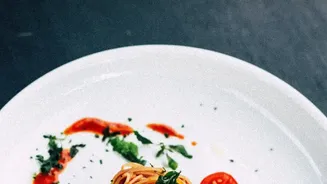
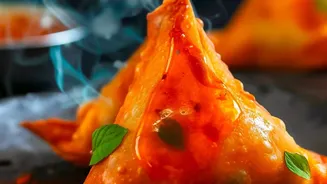
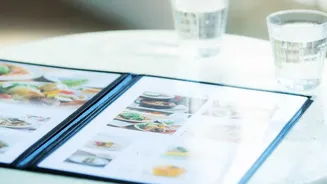
and cafes are no longer just places to eat; they are stages. Menus are engineered for photogenic appeal, with vibrant colours, unusual textures, and dramatic presentations designed to go viral. This has led to the rise of 'Instagrammable' interiors, with restaurants investing in specific lighting, unique decor, and 'photo corners' to encourage diners to snap and share. This strategy is a direct response to consumer behaviour, as studies show a huge number of diners use social media to decide where to eat. A single viral post can translate into a significant increase in foot traffic and revenue.
The TikTok-ification of Trends
If Instagram started the trend, platforms like TikTok and Reels have accelerated it to lightning speed. Food trends now emerge, peak, and disappear in a matter of weeks. One moment, everyone is trying to make baked feta pasta, causing shortages of the cheese in stores; the next, they've moved on to a new viral recipe. This rapid cycle is driven by powerful algorithms that can push a single dish or ingredient into the global spotlight overnight. The impact is real and tangible. For instance, a viral trend for a specific type of chocolate once caused a global pistachio shortage. This puts immense pressure on supply chains and kitchens, who must adapt quickly to the fleeting desires of a digital audience. The focus shifts from culinary craft to the ability to replicate a 30-second video clip.
Everyone's a Critic, Everyone's a Creator
The digital food boom has also democratised criticism, for better or worse. The traditional food critic, once a powerful gatekeeper, now competes with a vast army of food influencers and everyday users. An influencer with millions of followers can make or break a restaurant with a single video, often reaching a far larger audience than a newspaper review. This has given rise to a booming creator economy in India and globally, where influencers are not just sharing their meals but building businesses through brand deals, sponsored posts, and even launching their own product lines. The line between an authentic recommendation and a paid advertisement has become increasingly blurred, forcing consumers to navigate a landscape where trust is the most valuable, and often most manipulated, currency.
Is the Joy of Eating Getting Lost?
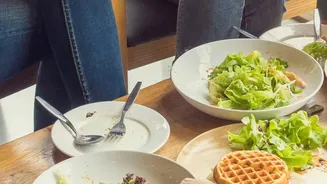
This constant need to document and perform raises a fundamental question: are we losing the simple joy of eating? When a meal's value is measured in likes and shares, the experience itself can become secondary. The social act of breaking bread can be interrupted by the need to get the perfect shot, with diners more engaged with their screens than with each other. Some studies suggest that the ritual of taking a photo can actually make food taste better by increasing anticipation. However, others point to the pressure and anxiety it can create, transforming a moment of pleasure into a task. Constant exposure to a curated feed of perfect meals can also foster unrealistic expectations and feelings of inadequacy about our own food choices.