
Know the Risks: Late Monsoon Realities
The late monsoon, from late August through September, is different from the initial deluge. While the rains can be less constant, they are often more unpredictable. The ground is saturated, increasing the risk of landslides and flash floods, especially
in hilly regions. According to the India Meteorological Department (IMD), weather patterns can shift rapidly, with forecasts sometimes predicting below-normal rainfall for the period overall, but still featuring pockets of extremely heavy rainfall. As of late August 2026, the IMD has flagged heavy rainfall and issued warnings for several states, including Odisha, Chhattisgarh, and parts of Central and East India, highlighting the dynamic nature of this season. This means travellers must prioritise flexibility and stay informed about daily weather updates.
Choose Your Destination and Route Wisely
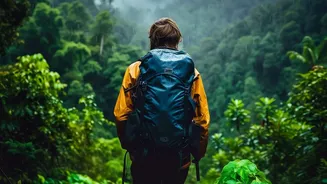
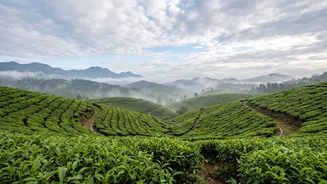
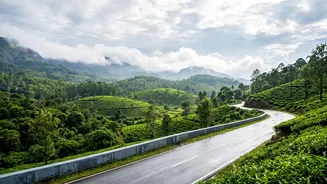
Destination choice is the most critical safety decision. Mountainous regions like Himachal Pradesh, Uttarakhand, and the Western Ghats in Kerala and Karnataka are particularly vulnerable to landslides and road blockages during this period. Areas like Kedarnath, Shimla, Manali, and Coorg are often flagged as high-risk and are best avoided. Consider exploring regions on the plains or in the rain-shadow, which are generally safer. Before setting off, especially on a road trip, research your route extensively. Check for recent advisories from state departments or on local travel forums. Have backup routes in mind and build buffer days into your itinerary to account for potential delays.
On the Road: Driving with Extreme Caution
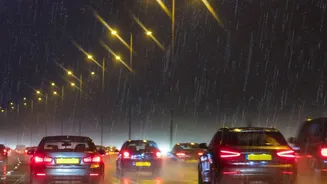
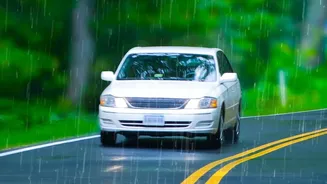
If you must drive, preparation is key. Ensure your vehicle is in top condition, with special attention to tyres, brakes, and wipers. Tyre tread should be well above the legal minimum to prevent aquaplaning on wet roads. Reduce your speed significantly—by at least 30-40% compared to dry conditions—and increase the following distance between you and the vehicle ahead to allow for longer braking distances. Avoid driving at night or during the heaviest downpours when visibility is poor. Never attempt to drive through waterlogged areas, as the depth can be deceptive and may stall your vehicle or cause serious damage. If visibility drops severely, it's safer to pull over in a secure spot with hazard lights on and wait for conditions to improve.
Health and Hygiene on the Go
The monsoon season sees a spike in water-borne and vector-borne diseases. The high humidity and stagnant water create breeding grounds for mosquitoes, which can transmit dengue and malaria. Contaminated water and food can lead to illnesses like typhoid and gastroenteritis. To stay healthy, drink only boiled, filtered, or bottled water. Be cautious with street food, especially items that are raw or have been sitting out. Stick to freshly cooked, hot meals. Carry a basic medical kit with insect repellent, antiseptic wipes, bandages, and medications for fever, diarrhoea, and allergies. Wearing full-sleeved clothing can offer protection from mosquito bites.
Essential Packing for a Monsoon Trip
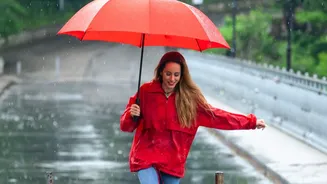
Packing smart can make a world of difference. Your luggage should include a reliable raincoat or poncho, a sturdy umbrella, and waterproof footwear with good grip. Quick-dry clothing made from synthetic fabrics is far more practical than cotton. Protect your valuables by packing electronics in waterproof bags or ziplock pouches, and consider a waterproof cover for your main backpack or suitcase. A power bank is essential, as power cuts can be common. Finally, always carry a small emergency kit with a torch, some non-perishable snacks, and a copy of your important documents.