





The Dawn of a New Art Form
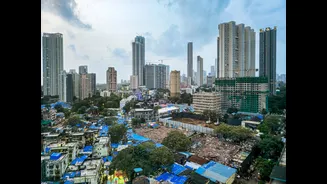
The story of Hindi cinema begins not in a grand studio but in the city of Bombay itself. When the Lumière brothers showcased their moving pictures in 1896, Bombay, a bustling colonial port and India’s commercial gateway, was the natural entry point for
this new technology. The city's cosmopolitan air and entrepreneurial spirit created fertile ground for a new industry. The true seed was planted by Dhundiraj Govind Phalke, revered as Dadasaheb Phalke, the 'Father of Indian Cinema'. In 1913, he produced and directed India's first full-length feature film, 'Raja Harishchandra'. Its success proved that indigenous stories could captivate Indian audiences, laying the commercial and creative foundation for a homegrown film industry right in Bombay.
The Rise of the Studio System
The 1930s saw the advent of sound with 'Alam Ara' (1931), and with it, the consolidation of filmmaking into a structured industry. Bombay became the hub for pioneering film studios that mirrored the Hollywood system. Foremost among these was Bombay Talkies, founded in 1934 by Himanshu Rai and Devika Rani. Located in the suburb of Malad, it was a state-of-the-art facility with international technicians, sound-proof stages, and editing labs. Bombay Talkies was not just a production house; it was a film factory that introduced a new level of professionalism and launched the careers of legends like Ashok Kumar, Dilip Kumar, and Madhubala. These studios created an ecosystem, concentrating equipment, talent, and technical know-how in one city, making it the default destination for anyone serious about making movies.
Partition and the Influx of Talent
A pivotal, if tragic, moment that cemented Mumbai's dominance was the Partition of India in 1947. Before Partition, Lahore was another major center for film production, catering to the Hindi-Urdu speaking audience. The division of the country led to a mass migration of artists, writers, directors, and producers. Many Hindu and Sikh professionals from the Lahore industry, including figures like the Chopra brothers (B.R. and Yash), moved to Bombay. This influx of talent, skilled in the nuances of Hindustani, was a massive creative boon for the Bombay-based industry. While some Muslim artists migrated to Pakistan, the sheer volume of experienced professionals arriving in Bombay infused it with fresh energy and ambition, overwhelming other regional film centers and solidifying its position as the premier hub for Hindi cinema.
A Magnet for Money and Dreams
Cinema has always been a capital-intensive business, and Mumbai's status as India's financial capital was a key advantage. The city had a concentration of wealthy investors, from Parsi entrepreneurs to business magnates, who were willing to finance film productions. This access to capital allowed the industry to grow in scale and ambition. Simultaneously, Mumbai's image as the 'City of Dreams' began to take hold. It became a beacon for aspiring actors, writers, and technicians from every corner of the country. The promise of fame and fortune, coupled with the city's relatively liberal and cosmopolitan culture, created a self-perpetuating cycle: the more the industry grew, the more talent it attracted, which in turn fueled further growth. This magnetic pull remains a defining characteristic of the city to this day.