







The Mechanical & Chemical Kickstart
Digestion doesn't start in the stomach; it begins in the mouth. Chewing, or mastication, is the crucial first step. When you eat slowly, you chew more thoroughly. This physically breaks down food into smaller, more manageable particles for your stomach.
Simultaneously, your saliva, which contains digestive enzymes like amylase, has more time to mix with the food and begin breaking down carbohydrates. Rushing this process means larger chunks of food enter your stomach, forcing your digestive system to work harder and less efficiently, which can lead to discomfort.
The Brain-Gut Connection: Feeling Full
There's a significant communication delay between your stomach and your brain. It takes approximately 20 minutes for your brain to receive and process hormonal signals, like leptin, that indicate you are full. When you eat quickly, you can easily consume more food than your body needs before this signal arrives, leading to overeating and that uncomfortable, overly stuffed feeling. Eating slowly allows this natural feedback loop to function properly, helping you recognize your body's true satiety cues and finish your meal feeling satisfied, not bloated.
Reducing Discomfort like Bloating and Gas
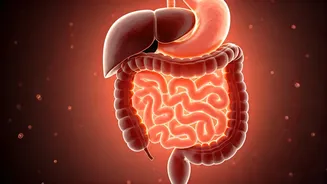
A common consequence of eating too quickly is swallowing excess air, which can lead to uncomfortable bloating and gas. Furthermore, when large, poorly chewed food particles reach the intestines, the gut bacteria that ferment them can produce excess gas. Fast eating can also overwhelm the lower esophageal sphincter, increasing the risk of acid reflux and heartburn. By slowing down, you reduce the amount of air you swallow and give your system the time it needs to process food smoothly, which can significantly decrease these common digestive complaints.
Maximising Nutrient Absorption
The ultimate goal of digestion is to turn food into energy and nutrients. When food isn't broken down properly through thorough chewing, your body's ability to absorb essential vitamins and minerals from it is compromised. Slowing down and chewing well increases the surface area of food particles, making it easier for digestive enzymes to do their job and for your body to absorb the maximum amount of nutrition from every meal. This practice supports the body’s “rest and digest” state, also known as the parasympathetic nervous system, creating the ideal conditions for optimal nutrient absorption.
Simple Tips to Slow Down Your Meals
Adopting a slower pace can feel challenging at first, but small changes can make a big difference. Try putting your utensils down between bites. Taking a sip of water can also create a natural pause. Aim to chew each bite a specific number of times, such as 20, to make it a conscious habit. It's also incredibly helpful to remove distractions; avoid eating while watching TV, scrolling on your phone, or working. By focusing on your meal—its tastes, smells, and textures—you not only eat more slowly but also increase your enjoyment and satisfaction.