





Beyond the Cupcake Craze
For years, the American dessert landscape was dominated by maximalism. Think giant, frosting-loaded cupcakes, gallon-sized milkshakes topped with whole slices of cake, and shareable skillets of molten cookie. But a counter-movement is gaining traction,
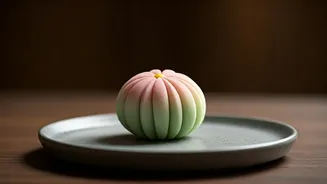
centered on sweets that prize delicacy and precision over sheer size. We’re talking about the soft, pillowy skin of a Japanese mochi, the gem-like glow of an Indian laddu, the intricate layers of a single piece of baklava, or the sculptural perfection of a French petit four. These aren't new creations; many are centuries-old classics from around the globe. What’s new is their rising prominence in the American dessert lexicon, driven by a younger generation looking for a different kind of satisfaction.
Designed for the Digital Eye
A key part of the appeal is baked right into the headline: aesthetic. In a world curated for Instagram grids and TikTok loops, these sweets are undeniably photogenic. Their small size, vibrant colors, and often intricate designs make them perfect subjects for a close-up shot. A box of assorted Turkish delight or a plate of colorful macarons is not just a snack; it's a piece of content. Unlike a messy, melting sundae, these treats are clean, contained, and visually stunning. They communicate a sense of refinement and intentionality. The visual appeal is so strong that it often precedes the taste, drawing in consumers who are first captivated by how the dessert looks on their screen before they ever seek it out in real life.
The 'Snackification' of Indulgence
The single-bite format is also crucial to understanding the trend. Gen Z is often characterized as a wellness-conscious generation, but that doesn’t mean they’ve sworn off sugar. Instead, they’re approaching it with a mindset of mindful indulgence. A massive dessert can feel like a heavy commitment, both in calories and cost. A single, perfect bite, however, offers a moment of pure pleasure without the post-dessert guilt or sluggishness. This “snackification” of dessert fits neatly into modern lifestyles. It’s a small, affordable luxury, a quick pick-me-up in the middle of the day rather than a formal, sit-down affair. It allows for portion control to be built directly into the experience, making the indulgence feel more manageable and intentional.
A Taste of Authenticity and Story
Perhaps the most significant driver of this trend is a deep-seated desire for authenticity and cultural connection. For a generation raised on global connectivity, food is a primary vehicle for exploring identity and heritage. Choosing a traditional sweet is about more than just its flavor profile; it's about engaging with a story. Eating a piece of mithai during Diwali, enjoying a mooncake for the Mid-Autumn Festival, or simply trying a pastry from a local Lebanese bakery is an act of cultural exploration. These sweets are the antithesis of generic, mass-produced candy bars. They carry a sense of place, history, and craftsmanship that resonates with consumers who are increasingly wary of corporate food culture and hungry for genuine experiences.