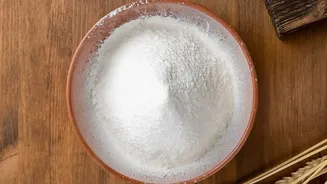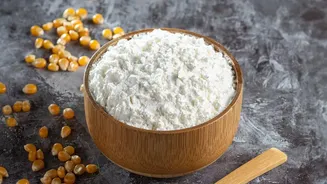





What Exactly Is Jackfruit Seed Flour?
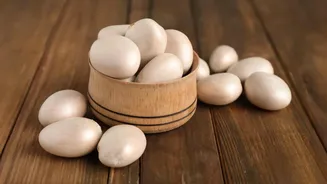
For generations, the seeds of the jackfruit have been boiled or roasted and enjoyed as a simple, nutritious snack, especially in South India. Today, these often-discarded seeds are being transformed into a fine, versatile flour. The process is straightforward:
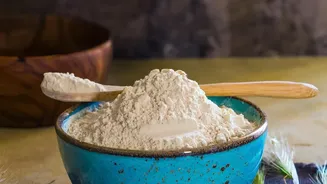
the seeds are cleaned, dried, and ground into a powder. This transformation turns an agricultural by-product into a valuable, sustainable food source, reducing waste and tapping into traditional wisdom. The resulting flour has a mild, slightly nutty flavour that makes it suitable for a wide range of both sweet and savoury dishes.
A Nutritional Powerhouse
The growing popularity of jackfruit seed flour isn't just a trend; it's backed by a strong nutritional profile. It is naturally gluten-free, making it an excellent choice for those with celiac disease or gluten sensitivity. The headline claim of being "high-protein" holds up, especially when compared to other flours. Studies show its protein content is significantly higher than that of rice and wheat flour, and comparable to barley flour. Beyond protein, it is a rich source of dietary fibre, which aids digestion and can help manage blood sugar levels. It's also packed with essential minerals like potassium, magnesium, and calcium, as well as vitamins such as thiamine and riboflavin.
How It Stacks Up Against Other Flours
In the world of gluten-free baking, there are many options, but jackfruit seed flour offers a unique balance. Compared to almond flour, it is much lower in fat. Unlike coconut flour, its flavour is more neutral, allowing it to blend seamlessly into various recipes without overpowering other ingredients. Its high starch content gives it excellent binding properties, which can be a challenge with some other gluten-free flours. This makes it a functional and cost-effective alternative, especially considering it's derived from a part of the fruit that is often wasted.
Getting Started in Your Kitchen
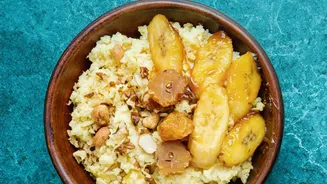
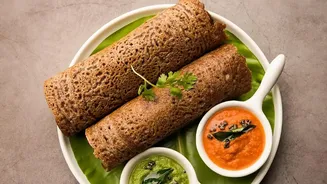
Incorporating jackfruit seed flour into your cooking is surprisingly easy. Its good water absorption capacity means you might need to adjust liquid ratios in your recipes, but it works well in combination with other flours. You can start by substituting about 10-25% of the regular flour in your recipes for cookies, cakes, or breads to boost their nutritional content. For a fully Indian application, it can be mixed with your regular atta to make nutrient-rich rotis or used to create savoury flatbreads (chapatis) on its own. It also works wonderfully as a natural thickener for soups and curries or as a key ingredient in homemade pancakes and idli batters.
The Sustainable and Traditional Choice
Embracing jackfruit seed flour is more than just a health choice; it's a nod to sustainability and tradition. In states like Kerala and Karnataka, a significant amount of jackfruit goes to waste annually due to a lack of processing facilities. By creating a market for the seeds, we give value to an underutilised resource. For many, preparing jackfruit seed flour at home is a continuation of age-old practices, where seeds were sun-dried and stored for use during the rainy season. This modern trend, therefore, beautifully connects us back to the resourcefulness of our ancestors, proving that sometimes the best new superfoods are the ones that have been in our backyards all along.