






The Energy Rollercoaster Explained
Our bodies run on glucose, a simple sugar derived from the carbohydrates we eat. When we consume food, our blood glucose levels rise, and our pancreas releases insulin to help shuttle that glucose into our cells for energy. This system is designed to keep
our blood sugar in a healthy range. However, modern diets, often high in refined carbohydrates, can send our glucose levels soaring, leading to a subsequent crash. This cycle of spikes and dips can leave us feeling fatigued, irritable, and hungry. Over time, frequent and large glucose spikes can increase the risk for serious health conditions, including type 2 diabetes and heart disease. The goal isn't to eliminate carbohydrates, which are a vital source of energy, but to manage their impact for more stable, sustained energy throughout the day.
The Clock on Your Plate
A growing field of science called chrononutrition suggests that when you eat matters just as much as what you eat. Our bodies operate on a 24-hour internal clock, or circadian rhythm, that governs everything from our sleep-wake cycles to our metabolism. Our ability to handle glucose is not constant; we are generally more insulin-sensitive earlier in the day and less so at night. Research indicates that late-night eating can lead to higher post-meal glucose and insulin levels compared to eating the same meal earlier. One study found that eating dinner just three hours earlier, at 6 p.m. versus 9 p.m., had a positive effect on 24-hour glucose control. Another recent study from June 2026 suggested that allowing for more time between your last meal and bedtime is associated with healthier overnight glucose levels. This suggests that aligning our meal times with our body's natural rhythms—by eating a more substantial breakfast and a lighter, earlier dinner—can be a powerful strategy for better metabolic health.
An Order for Everything
One of the most practical and fascinating findings in recent years is the impact of 'food sequencing'. Research from Weill Cornell Medical College has shown that the order in which you eat the components of your meal can dramatically alter the post-meal glucose response. In studies with patients with type 2 diabetes, having them consume protein and vegetables before carbohydrates led to significantly lower blood sugar spikes. At 30, 60, and 120-minute intervals after the meal, glucose levels were lower by about 29%, 37%, and 17% respectively. The mechanism is straightforward: starting your meal with fiber-rich vegetables and protein slows down digestion. This acts as a buffer, slowing the absorption of the carbohydrates that follow and leading to a more gradual, gentle rise in blood sugar instead of a sharp spike. So before you dig into the bread or potatoes, make it a habit to eat your salad, non-starchy vegetables, and protein source first.
Balance Every Plate
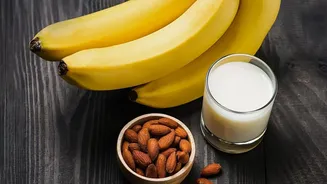
Beyond timing and order, the composition of your meal is fundamental. A balanced meal should ideally contain a source of protein, healthy fat, and fiber-rich carbohydrates. Protein, fat, and fiber all help to slow down the absorption of glucose, promoting satiety and preventing the rapid blood sugar rise that can come from eating carbohydrates alone. For instance, pairing an apple (a carbohydrate) with a handful of nuts or a piece of cheese (protein and fat) makes for a much more balanced snack than eating the apple by itself. Similarly, ensure your main meals aren't just carb-heavy. Including a portion of lean protein like chicken or fish, healthy fats like avocado or olive oil, and plenty of vegetables ensures a more stable and lasting energy release, keeping you full and focused for longer.