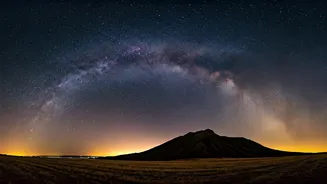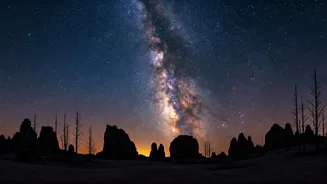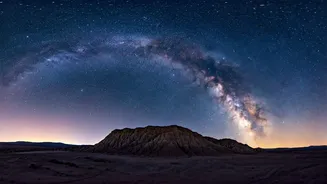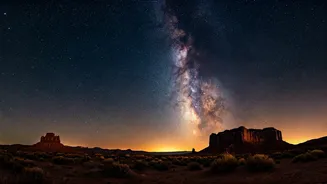



What Exactly Is Dark-Sky Tourism?
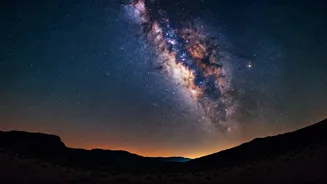
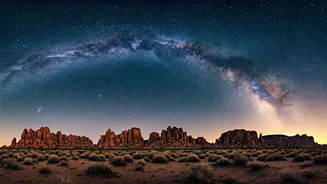
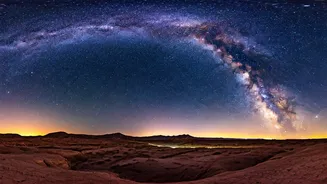
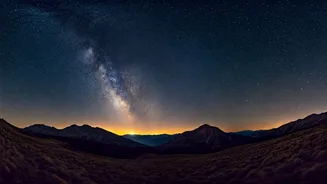
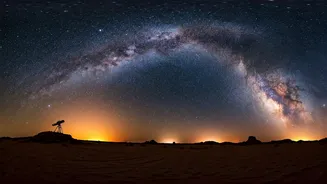
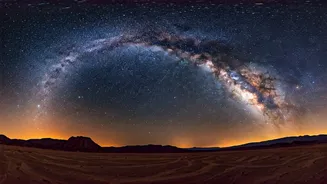
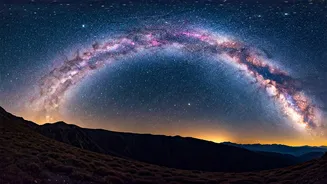
At its heart, dark-sky tourism—or astrotourism—is the act of travelling to destinations with minimal light pollution specifically to see the stars, planets, and galaxies. It’s more than just casual stargazing; it’s an intentional journey away from the artificial
glow of our cities that obscures our view of the cosmos. As urbanisation intensifies, a truly dark night sky is becoming a rare and precious resource. This trend taps into a fundamental human desire for wonder, connecting us to the same celestial spectacle that inspired our ancestors. The movement is now formalised, with organisations like the International Dark-Sky Association (IDA) officially certifying 'Dark Sky Places' around the world—sanctuaries protected for their exceptional starry nights.
Why the Sudden Star Rush?
The boom in dark-sky tourism isn’t happening in a vacuum. It’s a direct response to modern life. After years of being cooped up, travellers are seeking out unique, meaningful experiences in wide-open spaces. Astrotourism offers a perfect blend of adventure, science, and a powerful sense of peace. Staring into the vastness of space has a way of putting our daily worries into perspective. There's a wellness component, too; it's a form of digital detox that encourages you to put down your phone and simply be present. The search for authenticity is another driver. Instead of another crowded beach, people want a story to tell—and witnessing a meteor shower or seeing Saturn's rings through a telescope for the first time is an unforgettable one.
India’s Starry Sanctuaries
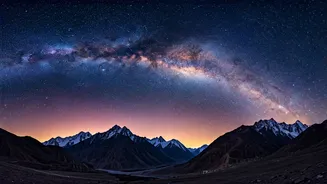
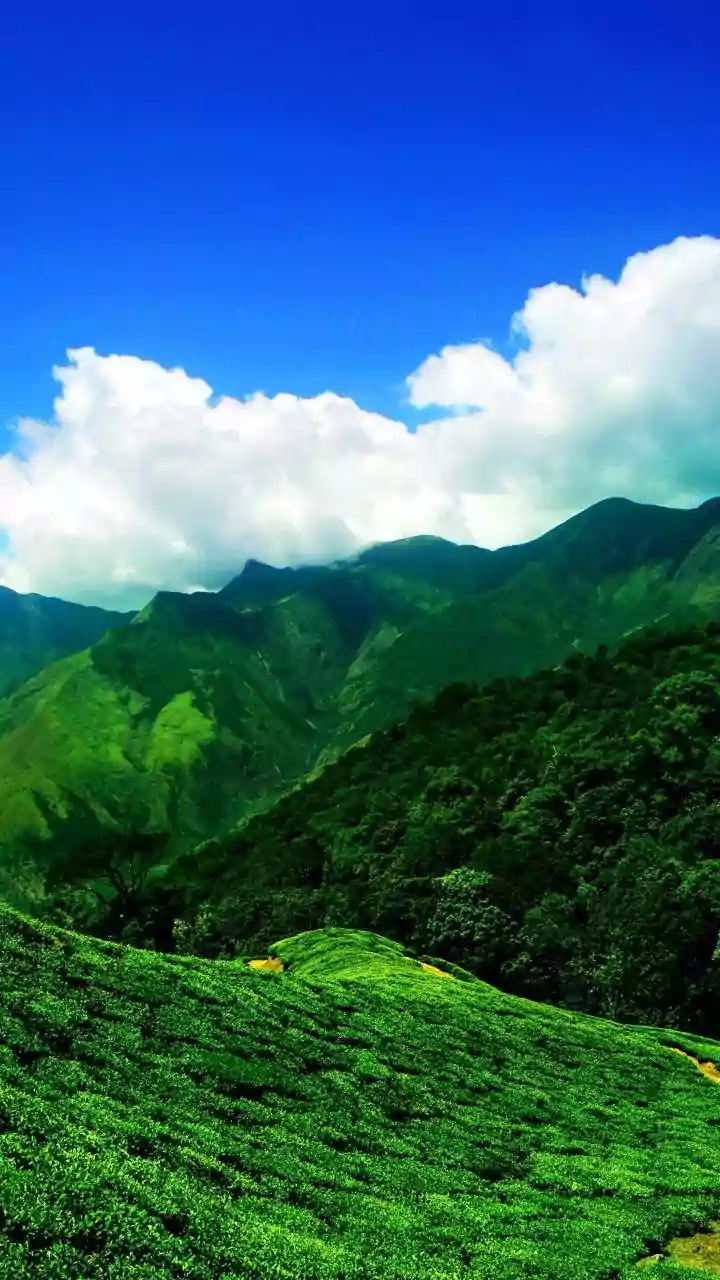
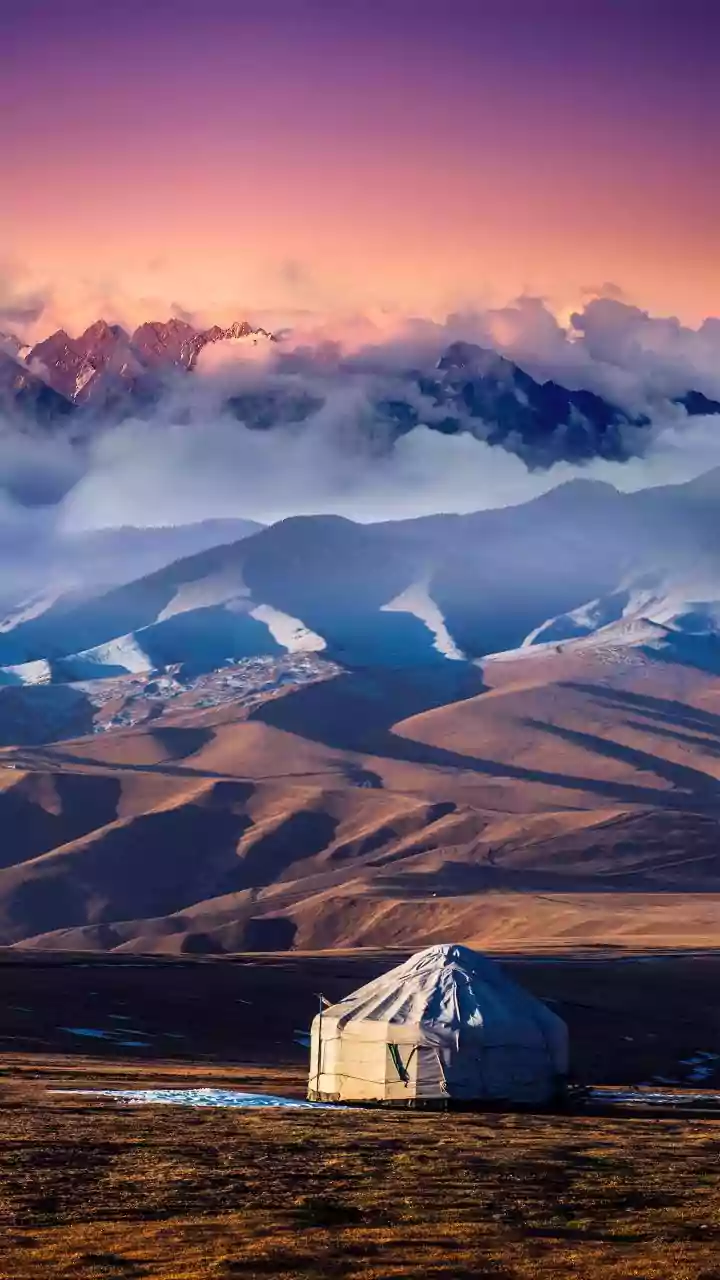
India, with its vast and diverse landscapes, is perfectly positioned to become a major hub for astrotourism. The undisputed star of the show is the Hanle Dark Sky Reserve in Ladakh, the first of its kind in India. Located at a high altitude with clear, dry air, it offers some of the most pristine night skies on the planet. But Ladakh isn’t the only option. The barren, beautiful landscapes of Spiti Valley in Himachal Pradesh and the expansive white desert of the Rann of Kutch in Gujarat during Rann Utsav also provide phenomenal stargazing opportunities. Even closer to urban centres, spots in the Western Ghats, like Coorg, or remote parts of Rajasthan offer pockets of darkness where the celestial show is still spectacular. State governments are beginning to recognise this potential, with plans for more designated dark-sky parks in places like Uttarakhand.
More Than Just Looking Up
A dark-sky trip is far more than just lying on a blanket and staring at the sky (though that is a wonderful part of it). An entire ecosystem of experiences is being built around it. Many destinations offer guided sessions with local astronomers who can point out constellations, planets, and deep-sky objects through powerful telescopes. Astrophotography workshops are incredibly popular, teaching visitors how to capture the beauty of the Milky Way with their own cameras. These trips are often woven into the local culture, with guides sharing ancient myths and folklore associated with the stars, providing a richer, more immersive experience. It's a holiday that engages your curiosity and leaves you with new knowledge and skills.
How to Be a Responsible Astro-Tourist
The very thing that makes these places special—the darkness—is fragile. To protect these environments, it's crucial to travel responsibly. The number one rule is to minimise your light footprint. This means using red-light torches instead of bright white ones, as red light is less disruptive to both wildlife and your own night vision. When booking, choose operators and accommodations that are committed to dark-sky preservation practices. Always follow local guidelines, stick to designated paths to avoid disturbing the nocturnal ecosystem, and pack out everything you pack in. The goal is to leave the night as dark and pristine as you found it for the next generation of star-seekers.