



Verify Your Route and Accessibility
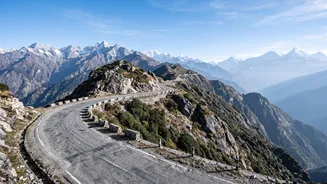
Winter transforms Himalayan roads. Heavy snowfall often leads to the closure of high-altitude passes and highways, sometimes with little warning. Key routes like the Manali-Leh highway via Rohtang Pass, and passes such as Khardung La and Zoji La, typically
shut down from November until May. Even accessible roads can be treacherous due to black ice and sudden snowstorms, causing significant delays and stranded vehicles. Before you leave, check the current status of roads with official sources like the Border Roads Organisation (BRO) and local district administrations. Have a backup plan with alternative routes if your primary choice is blocked. Do not assume a road is open just because it was last week; conditions can change overnight.
Health and Acclimatization Plan
High altitude poses a significant health risk, primarily in the form of Acute Mountain Sickness (AMS). AMS can affect anyone ascending above 2,500 metres (approx. 8,200 feet) and its symptoms include headache, nausea, fatigue, and dizziness. The best prevention is gradual acclimatization. Plan your itinerary to avoid rapid gains in sleeping altitude—ideally no more than 300-500 metres per night above 3,000 metres. Stay hydrated, avoid alcohol, and consult a doctor about preventive medication like acetazolamide before your trip. Pack a medical kit with basics for pain relief, stomach issues, and any personal medications, as pharmacies can be scarce in remote areas.
Confirm Your Accommodation Details
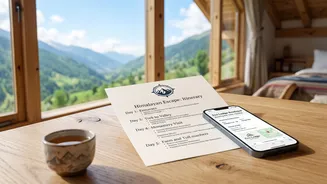
A warm, comfortable place to rest is non-negotiable in the freezing Himalayan winter. When booking hotels or guesthouses, go beyond just checking availability. Specifically inquire about their winter facilities. Does the room have a reliable heating system, or just extra blankets? Is there access to hot water, and is it available 24/7 or only during specific hours? In remote areas, power cuts can be frequent, so ask if they have a generator or backup power. Also confirm the property's accessibility; a hotel might be open, but the road leading to it could be snowed in. A quick call to the hotel manager to verify these details can prevent a miserable, cold night.
Pack for Extreme Conditions, Not Just Cold
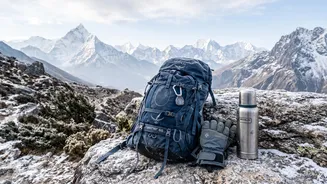
Your packing strategy can make or break your trip. The key is layering, not just carrying one heavy jacket. A three-layer system is most effective: a base layer of thermal wear to wick sweat, a mid-layer of fleece or a light down jacket for insulation, and a waterproof and windproof outer shell to protect from the elements. Cotton is a poor choice as it retains moisture and makes you colder. Pay special attention to your extremities. Pack woollen socks, waterproof gloves, and a warm cap or balaclava. Proper footwear is critical; invest in waterproof trekking boots with good grip. UV rays are much stronger at high altitudes, so high-SPF sunscreen, lip balm, and sunglasses are essential.
Check Permit and Documentation Requirements
Many stunning Himalayan regions, especially those near international borders, require special permits for tourists. Areas like Nubra Valley, Pangong Tso, and Tso Moriri in Ladakh require a Protected Area Permit (PAP) for foreign nationals and an Inner Line Permit (ILP) for Indian citizens. Similarly, parts of North Sikkim and certain routes in Himachal Pradesh (like crossing Rohtang Pass for Spiti) have their own permit systems. These rules can change, so research the latest requirements for your specific destination well in advance. Applying for permits often requires identity documents and photographs, and is usually facilitated by registered local travel agents or online portals. Travelling without the correct paperwork will result in being turned back at military or police checkpoints.
Prepare for Connectivity and Cash Issues
While mobile networks have improved, many remote Himalayan areas still have patchy or non-existent connectivity, especially in winter. Only postpaid connections from certain providers tend to work in regions like Ladakh and Spiti. Inform your family of your itinerary and expected periods of no contact. Carry a power bank or a solar charger as electricity can be unreliable. Similarly, don't rely solely on digital payments. While UPI and cards are common in larger towns like Leh and Manali, cash is king in smaller villages and on the road. ATMs are few and far between and may not be functional. Carry enough cash to cover your expenses for food, transport, and emergencies for several days.