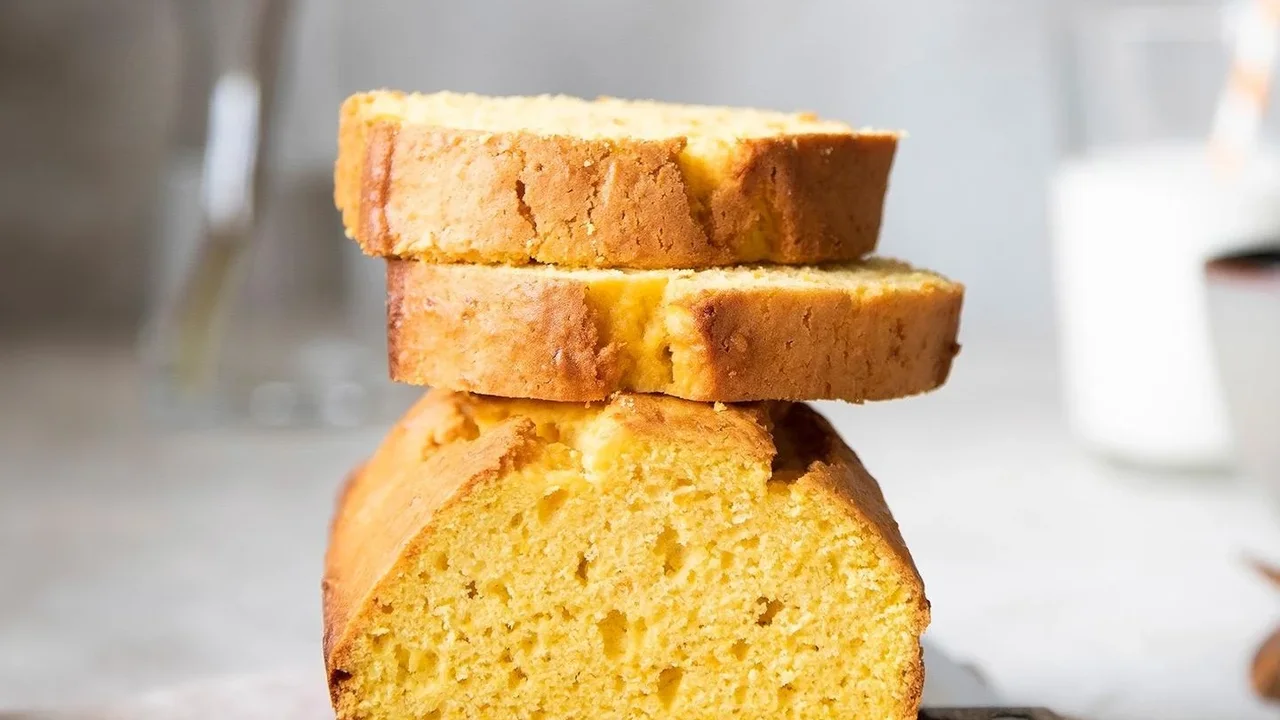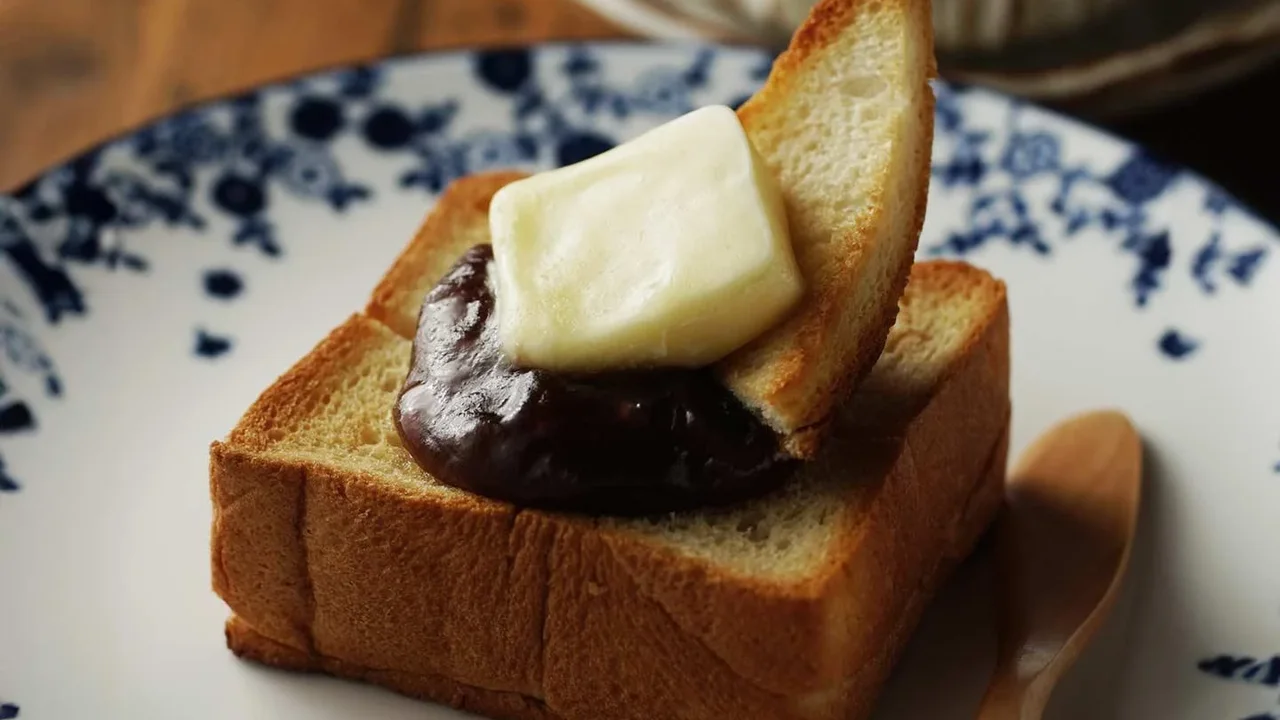


What Is This Magical Bread?
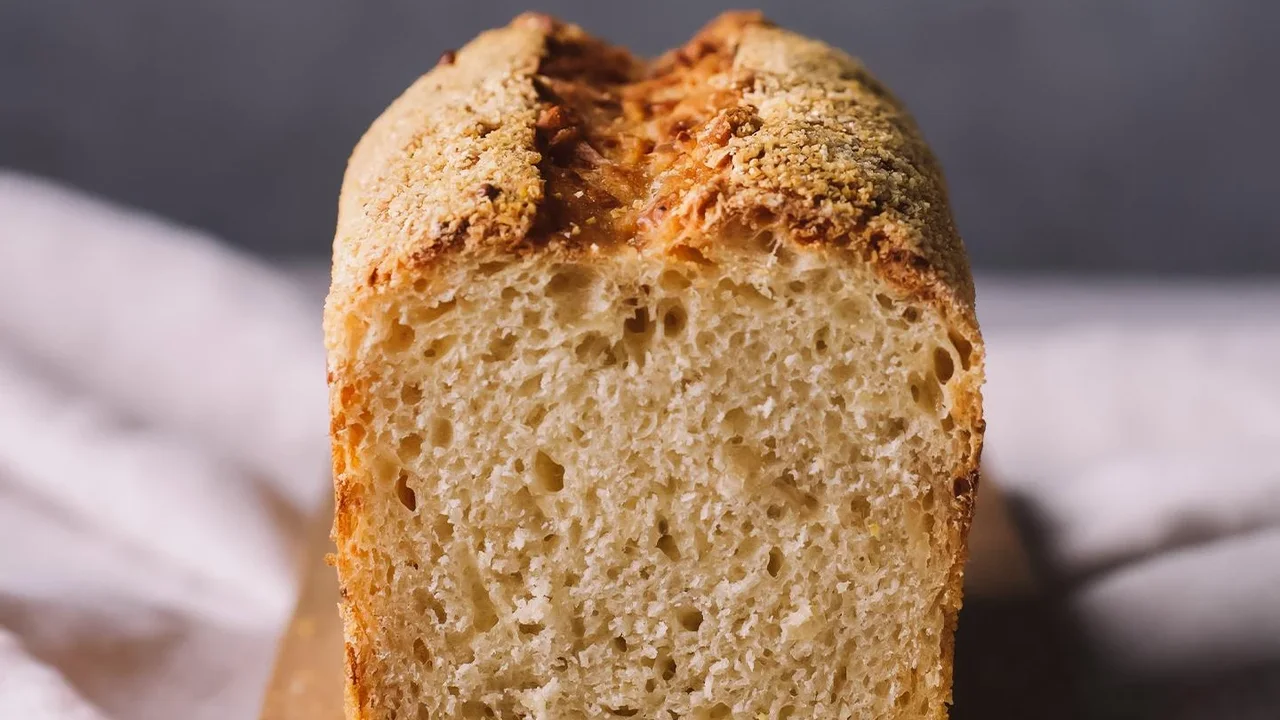
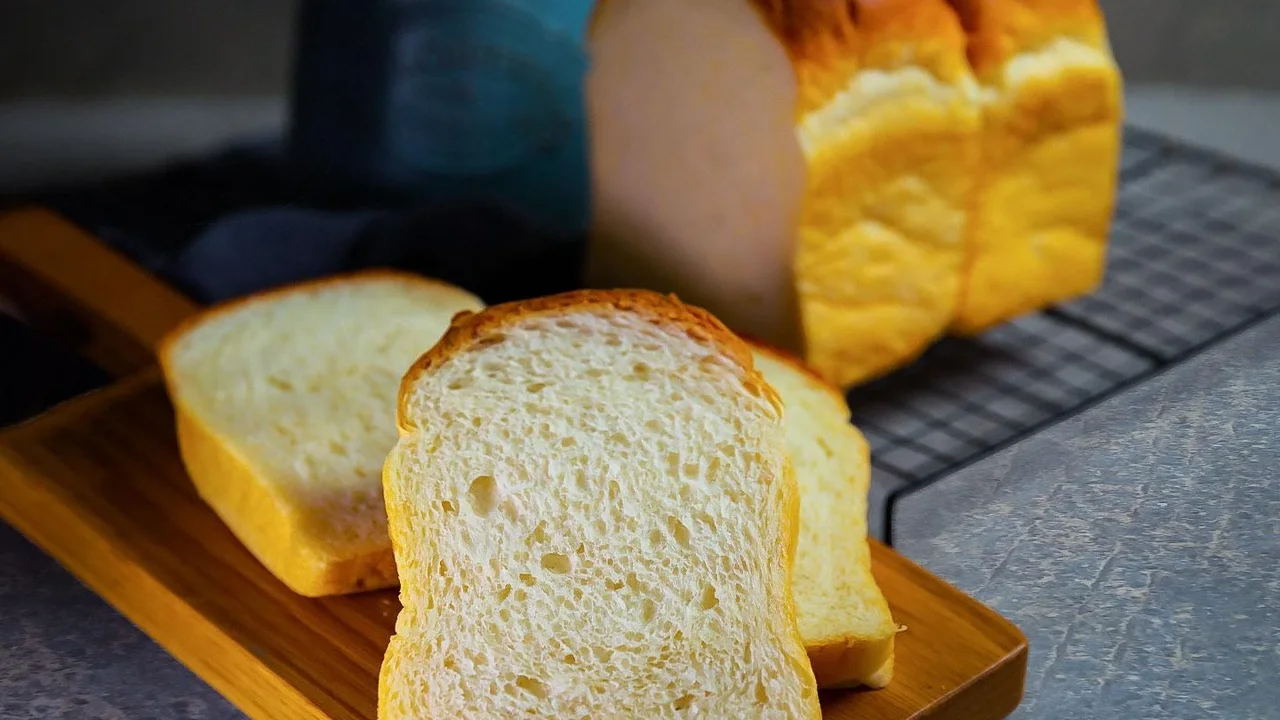
Known as 'shokupan' in Japan, which translates to 'eating bread,' this isn't your average loaf of white bread. It is the quintessential everyday bread in Japan, beloved for its pillowy, moist texture and milky, slightly sweet flavor. The crust is typically
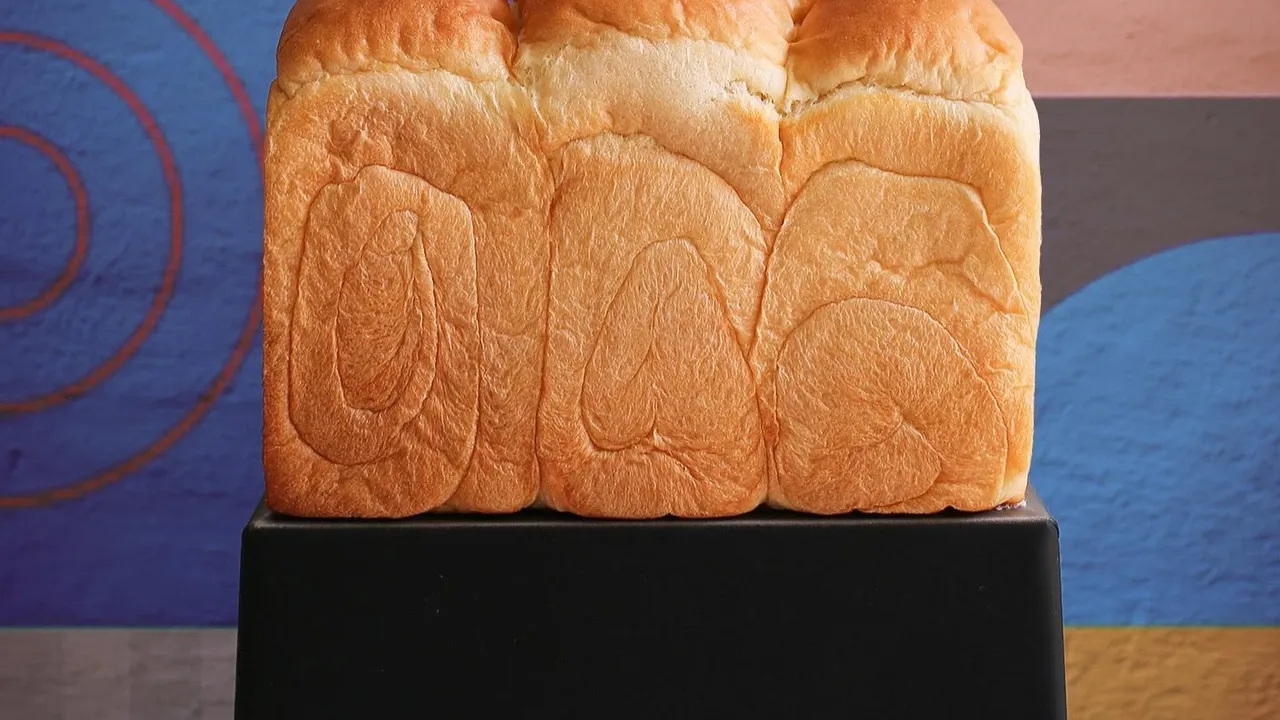
thin and tender, while the inside, or crumb, is fine-textured and incredibly soft, with a bouncy quality often described as 'mochi-like'. While Western-style crusty loaves have their place, shokupan was designed for a palate that prefers a delicate, comforting texture. Often baked in a special lidded pan called a Pullman loaf pan, it can have a perfectly square shape, making it ideal for sandwiches.
The Secret Is a Simple Paste
The magic behind milk bread’s signature softness and impressive shelf life lies in a technique known as tangzhong or yudane. Both methods involve pre-cooking a small portion of the recipe's flour with a liquid (like water or milk) to form a thick, gelatinous paste. This paste, or water roux, is then added to the rest of the dough ingredients. By gelatinizing the starches in the flour before baking, the dough is able to hold onto significantly more moisture. This super-hydrated dough results in a loaf that is exceptionally soft, bakes up bigger and fluffier, and, remarkably, stays fresh and tender for days longer than conventional bread.
A Modern Japanese Classic
While it feels timeless, bread is a relatively modern addition to the Japanese diet. It became more widespread in the post-World War II era, partly due to wheat shipments from the United States. Japanese bakers, however, didn't just replicate Western loaves; they adapted them to local tastes. This led to the creation of shokupan, a softer, richer, and slightly sweeter version that quickly became a staple. Today, it’s a versatile foundation for everything from a simple breakfast toast with butter to the iconic katsu sando (a breaded pork cutlet sandwich) and the whimsical fruit sando, filled with whipped cream and fresh fruit.
From Tokyo to the World Stage
For years, shokupan was a comfort food largely enjoyed within Asia. Now, it's a full-blown global phenomenon. Artisanal bakeries from Los Angeles to London are dedicating themselves to perfecting the loaf, with some high-end versions selling for a premium. Burger joints have adopted milk bread buns for their soft, yielding texture that perfectly complements a juicy patty. This surge in popularity is quantifiable; in the UK, one supermarket chain reported a 617% increase in online searches for 'Japanese milk buns' in a single month. In the U.S., its presence on restaurant menus has reportedly grown by nearly 400% in just four years.
Fueled by Social Media
A huge driver of milk bread’s global fame is its undeniable visual appeal. The perfectly square loaves, the glossy, golden-brown tops, and the countless viral videos of hands pulling apart a bun to reveal a steamy, cloud-like interior are tailor-made for platforms like TikTok and Instagram. This photogenic quality has introduced shokupan to millions of people who may have never encountered it otherwise. The satisfying 'bread pull' has become a trend in itself, turning a simple loaf into an interactive and shareable experience that has helped make it one of the most exciting food trends to cross over from social media to mainstream kitchens.