


The Sound of Silence
Let’s start with the obvious, because it’s the most profound benefit. Peak season travel in India is an exercise in shared, and often stressful, experiences. Long queues for monuments, packed viewpoints, and restaurants with hour-long waits are the norm.
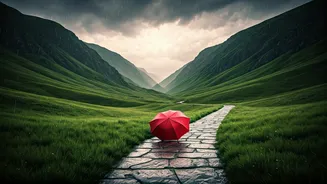
Now, picture this: Goa in July. Instead of crowded shacks blasting music, you find near-empty beaches where the only soundtrack is the roar of the Arabian Sea. Imagine wandering through the temples of Hampi or the palaces of Udaipur without being jostled, able to pause and absorb the history in relative solitude. The absence of the crowd is not just a convenience; it’s a transformation. It changes the entire character of a place, allowing you to connect with it on a more personal, intimate level. This isn't just about avoiding people; it's about reclaiming the very reason we travel—to find a moment of peace.
Nature's High-Definition Filter
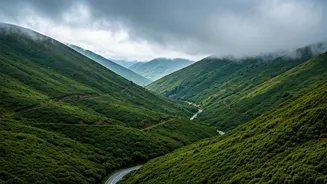
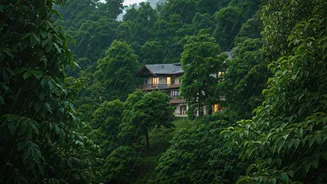
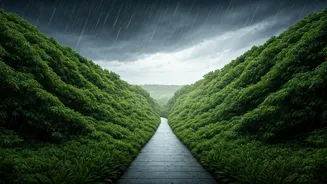
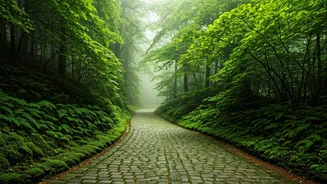
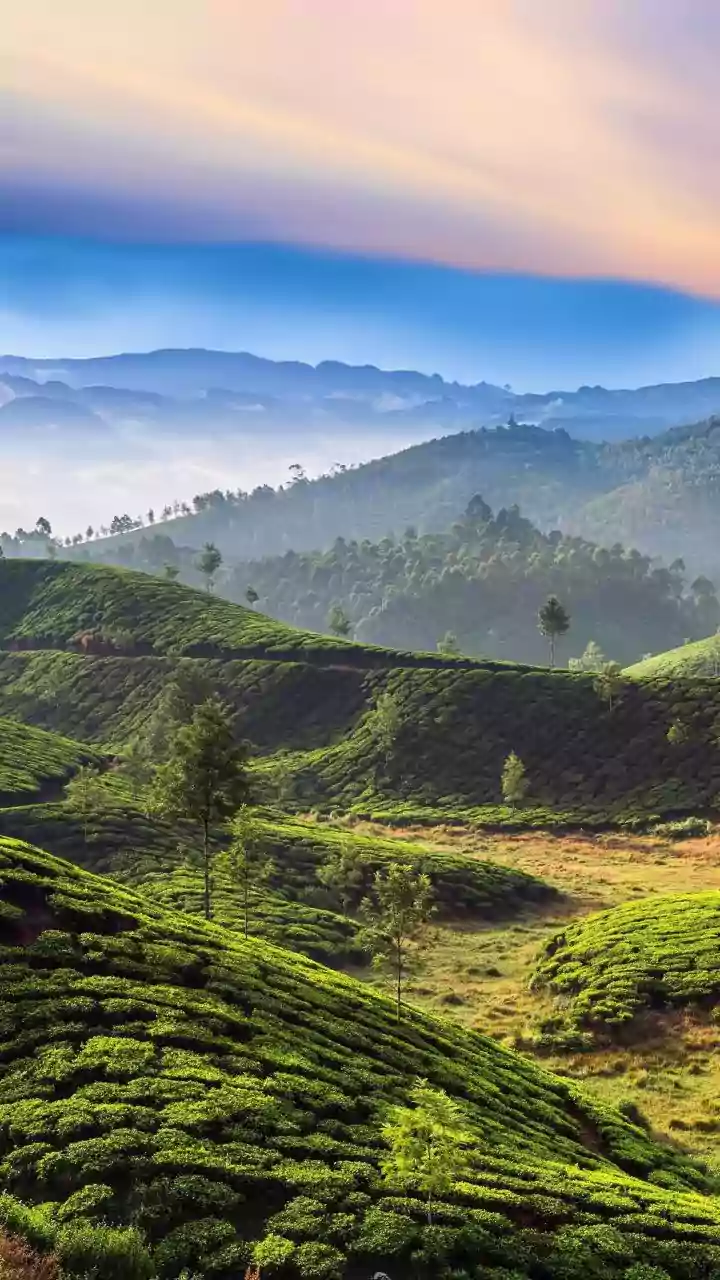
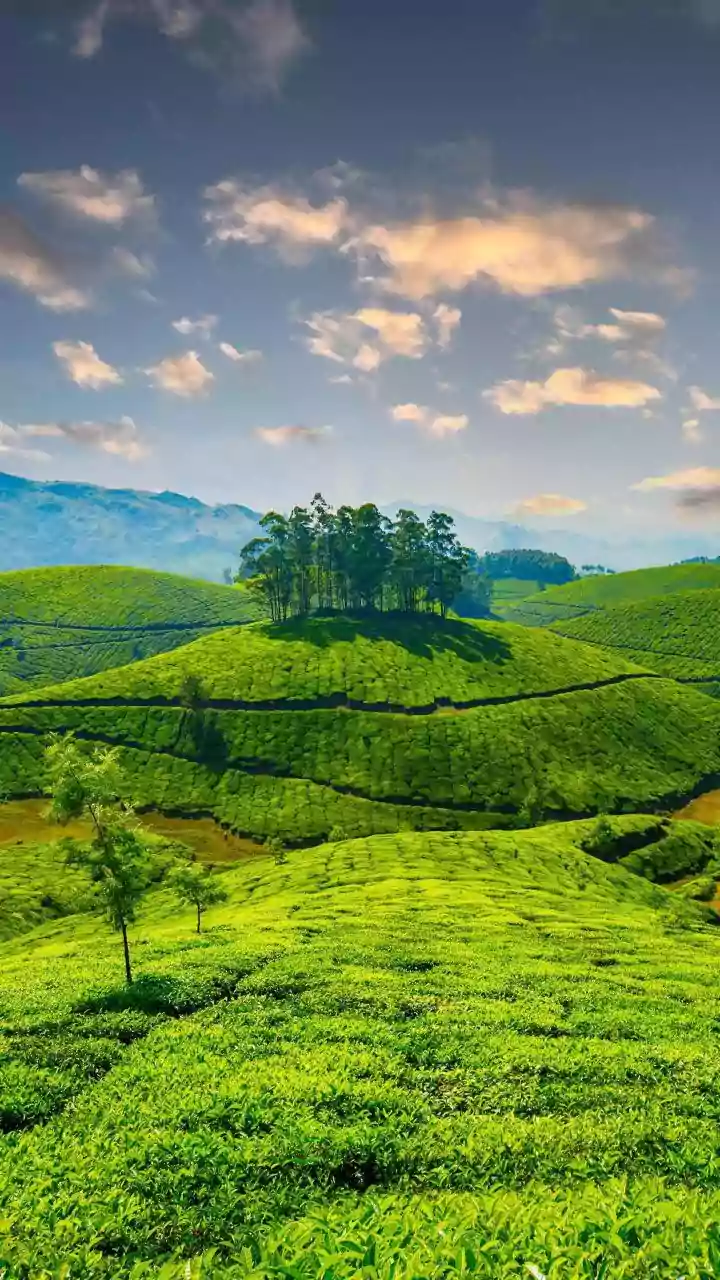
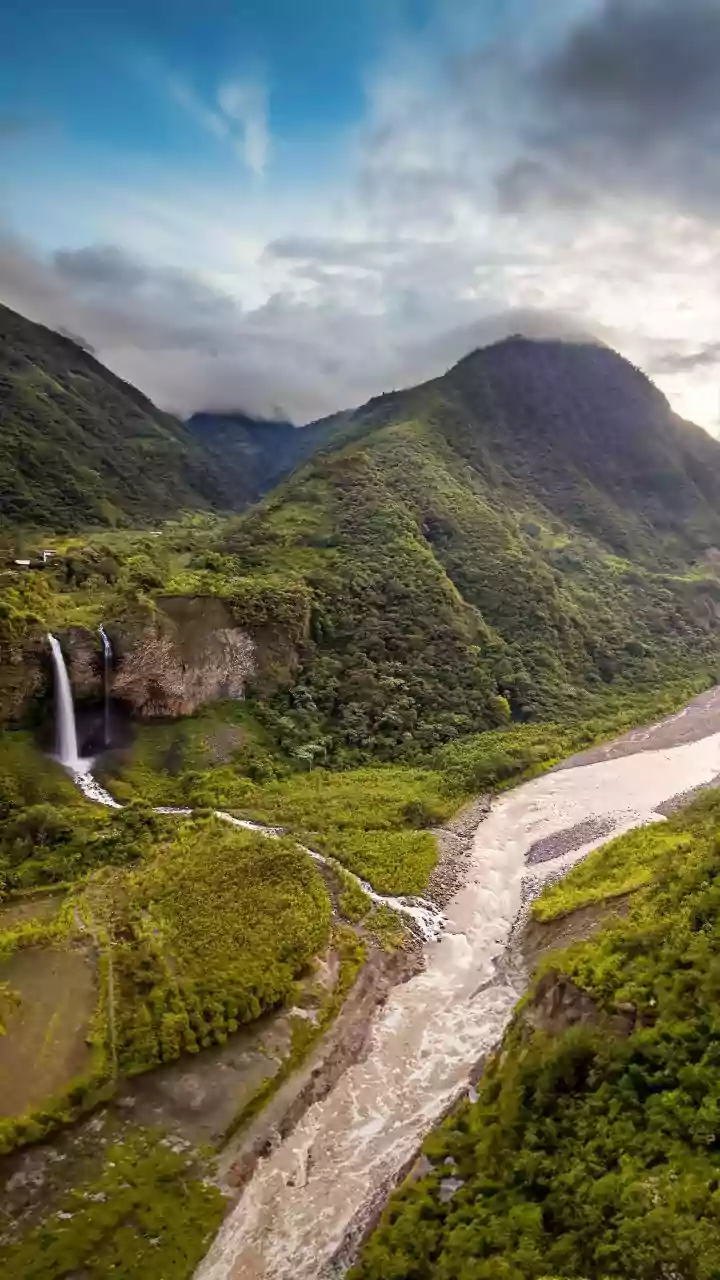
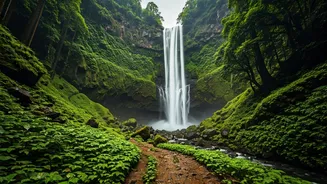
The Indian summer can be harsh, leaving landscapes dusty and colours muted. The first rains of the monsoon act like a divine cleaning service. A layer of dust is washed away, and the entire subcontinent seems to switch to high-definition. The Western Ghats, from Maharashtra down to Kerala, explode into an almost fluorescent green. Waterfalls that were mere trickles in May become thunderous cascades. Even the arid landscapes of Rajasthan gain a surprising, ephemeral softness, with its lakes refilling and a delicate green fuzz covering the Aravalli hills. This is nature’s grand spectacle. The air is cleaner, the smells are earthier—a mix of petrichor and blooming flora. You aren't just seeing a place; you're experiencing it at its most alive and vibrant.
An Upgrade for Your Wallet
The romance of the rain is wonderful, but the practical savings are undeniable. The rainy season is, for most destinations, the official “off-season.” And that means one thing: discounts. Airlines and hotels, eager to fill rooms and seats, often slash their prices dramatically. A luxury hotel that felt out of reach in December might suddenly become affordable in August. You’ll find better deals, more available rooms, and a greater chance of getting that coveted sea-view suite. This financial breathing room means you can either save money or reinvest it into your experience—staying an extra night, splurging on a fancy meal, or booking that Ayurvedic massage you were on the fence about. The off-season turns luxury from an aspiration into a possibility.
The Culture of Cozy
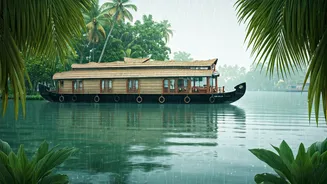
There's a unique comfort that comes with being warm and dry while the world outside is getting a thorough soaking. Rainy season travel encourages a different, slower pace. It’s the perfect excuse to sit in a cafe with a good book and a steaming cup of masala chai, watching the downpour. It’s the joy of tucking into a plate of hot pakoras or bhajiya, a snack that simply tastes better when it’s raining. In Kerala, it’s considered the best time for Ayurvedic treatments, as the moist, cool air is believed to help the body open its pores and be more receptive to the therapies. This is a vibe you simply cannot replicate in the dry, tourist-packed winter months. It's a chance to embrace the local way of life, where the rain isn't an inconvenience but a core part of the rhythm of the day.
A Note on Practicality
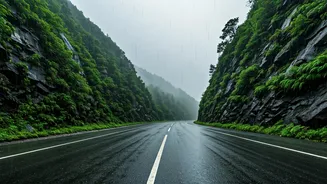
Of course, a monsoon adventure requires a bit of pragmatism. This is not the trip for a rigidly planned, minute-by-minute itinerary. Heavy rains can cause flight delays, road closures, and landslides, particularly in mountainous regions. The key is flexibility. Pack quick-drying clothes, waterproof footwear, and a reliable raincoat. Have backup plans, and be prepared to change them. Some activities, like boat trips or certain treks, may be off-limits. But if you embrace a go-with-the-flow attitude, these minor inconveniences become part of the adventure rather than a source of frustration.