




The Power of Airflow
The single most effective habit is to improve ventilation. Stagnant air allows moisture to settle on surfaces, creating the perfect environment for mould. Make it a routine to open windows and doors for at least 15-30 minutes daily, ideally during drier
parts of the day, to create cross-ventilation. Even on overcast days, moving air is better than trapped, humid air. Running ceiling fans, even on a low setting, also helps keep air circulating, preventing moisture from becoming stagnant in corners and behind furniture. This simple act of letting your home breathe is a powerful first line of defence.
Strategic Wardrobe Care
Wardrobes are ground zero for musty smells during the monsoon. The combination of enclosed spaces and fabric that retains moisture is a recipe for mildew. Avoid packing clothes too tightly; leaving space between garments allows air to circulate. Before storing clothes, ensure they are completely dry. Even slightly damp items can make an entire wardrobe smell stale. Don't let used laundry pile up in a damp hamper; air out worn clothes before washing to prevent odours from setting in. For extra protection, place natural moisture absorbers like silica gel packs or small bowls of baking soda in the corners of your closet.
Mind Your Kitchen and Bathrooms
Kitchens and bathrooms are major sources of indoor humidity from activities like cooking and showering. Cultivate the habit of using an exhaust fan every time you cook or bathe. If you don't have one, opening a nearby window for the duration of the activity and for about 15-20 minutes afterwards can help vent the moist air outside. Wiping down wet surfaces, such as shower walls and kitchen counters, after use also prevents that moisture from evaporating into the air and increasing the room's overall humidity. These small actions significantly reduce the moisture load in the most humid parts of your home.
Natural and Low-Cost Dehumidifiers
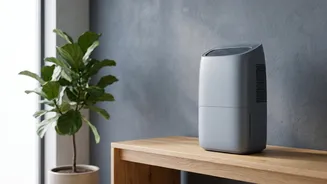
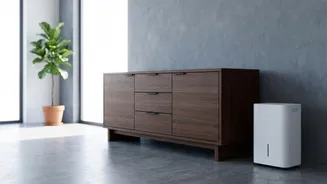
You don't always need an electric dehumidifier to manage moisture in smaller spaces. There are several effective, low-cost options you can place strategically around your home. An open container of baking soda can absorb moisture from the air in enclosed areas like cabinets and closets. Plain charcoal briquettes (without lighter fluid) are also excellent at drawing in moisture and odours. Another popular DIY method involves using rock salt; place it in a ventilated container with a second container underneath to catch the water it pulls from the air. These are great for targeting problem spots without increasing your electricity bill.
Why It Matters for Your Health
Combating dampness isn't just about preventing musty smells or peeling paint; it's crucial for your health. Damp environments are breeding grounds for mould and mildew, which release spores into the air. Exposure to these spores can trigger allergic reactions, including sneezing, red eyes, and skin rashes. For individuals with asthma, it can lead to more frequent and severe attacks. Studies have shown that living in a damp and mouldy home significantly increases the risk of respiratory symptoms and asthma development, particularly in children. By keeping your home dry, you are also protecting the respiratory health of your family.