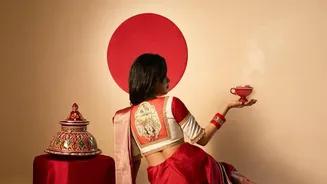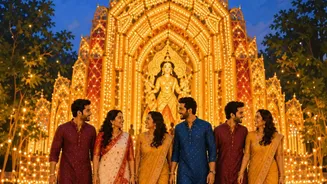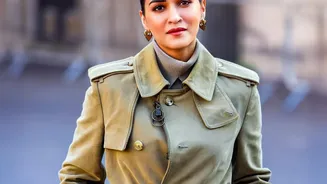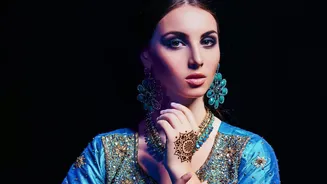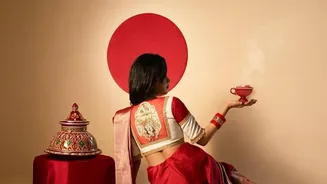


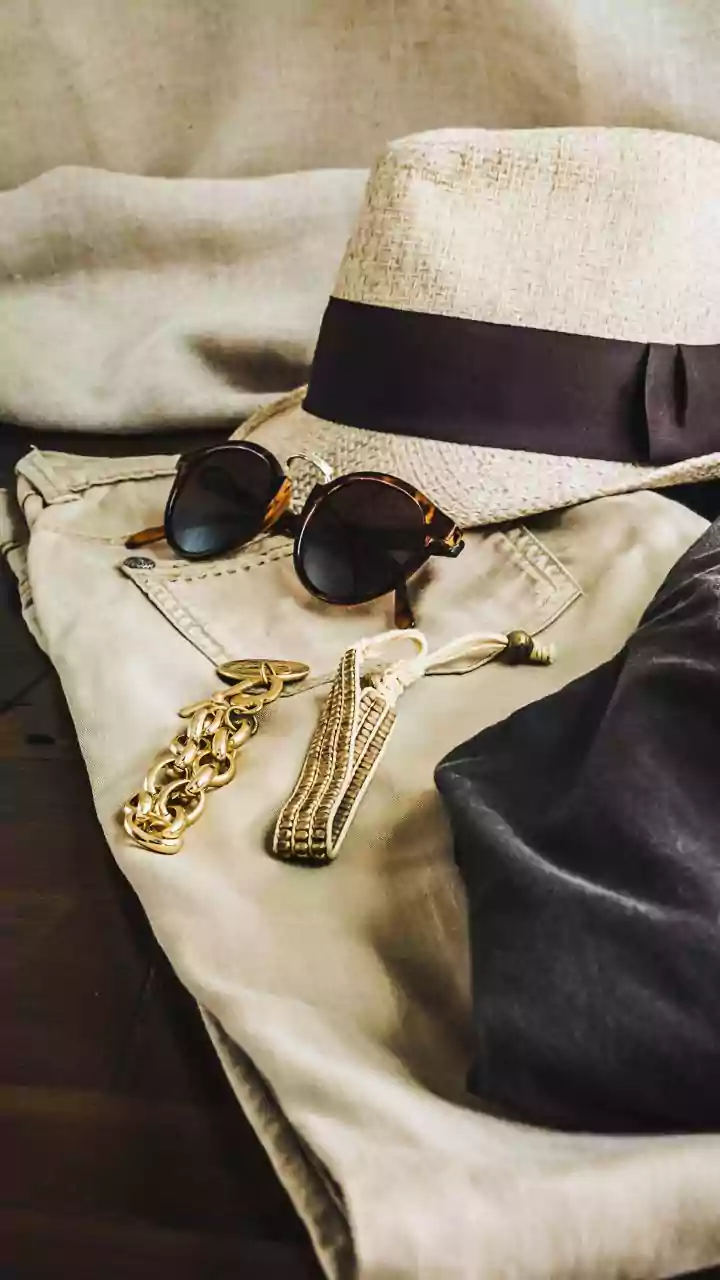



The Indian festive season once meant pulling out the heaviest silks and most elaborate jewellery. But a quiet style revolution is underway. Women are now choosing minimalist designs and lightweight products. Here’s why less is becoming more.
The Comfort-First Revolution
Indian festivals
are marathon events, often involving hours of socialising, dancing, and moving around. The traditional heavy lehengas and richly embroidered sarees, while beautiful, can become restrictive and exhausting to wear. Today’s woman prioritises comfort and practicality; she wants to enjoy the festivities without feeling weighed down by her clothes. This has led to a surge in demand for outfits made from breathable, lightweight fabrics like cotton, chanderi, georgette, and organza. Clean, fluid silhouettes such as straight-cut kurtas, palazzo sets, and pre-draped sarees are replacing voluminous layers, allowing for ease of movement and a more relaxed experience.
A Modern Take on Festive Glamour
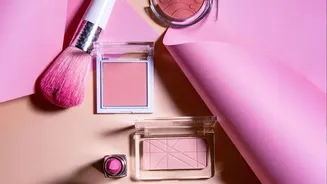
The definition of what looks 'festive' is changing. It's no longer just about being ornate. For many, especially Gen Z, elegance now lies in subtlety and personal expression rather than heavy embellishment. This has popularised a 'skinimalism' trend in beauty, where the goal is to enhance natural features, not mask them. Instead of full-coverage foundations, women are opting for lightweight skin tints, BB creams, and tinted serums that provide a dewy, natural finish. The focus shifts to healthy, glowing skin, with makeup used to add a touch of radiance through a highlighter or a single bold element, like a classic winged eyeliner or a vibrant lip.
The Rise of Sustainable Style
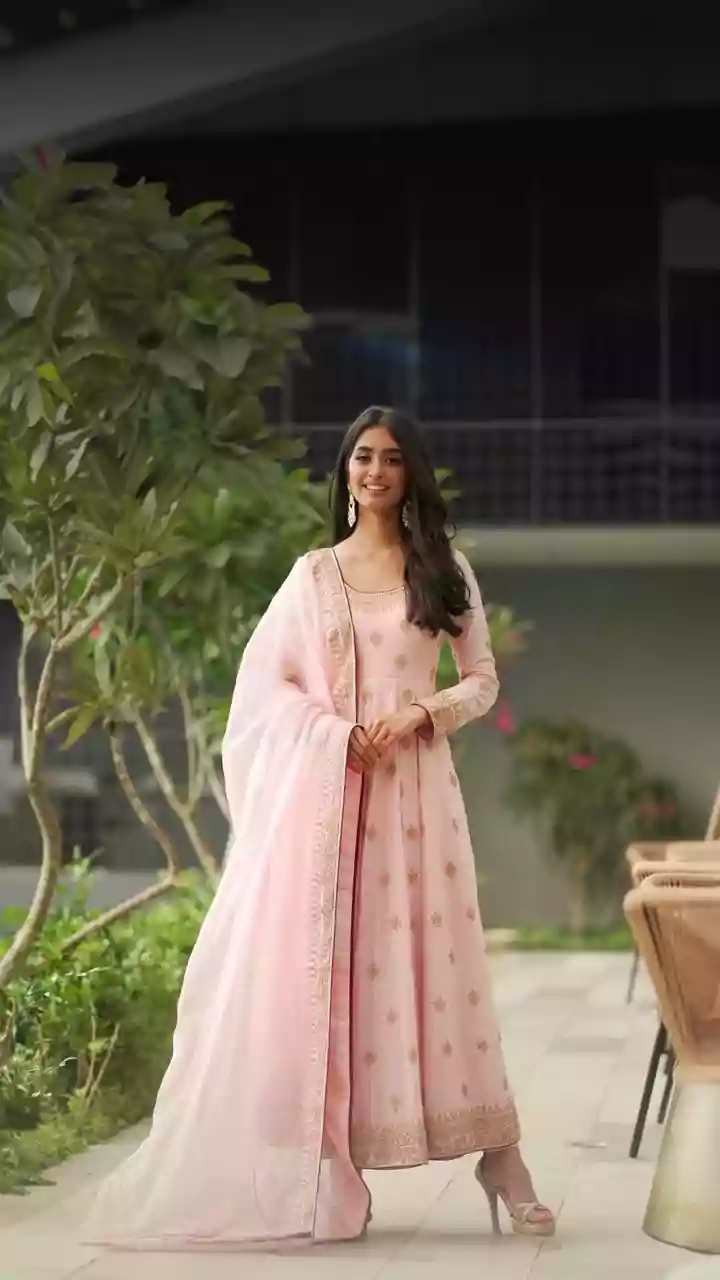
There's a growing consciousness around fashion's environmental impact, leading many to seek more sustainable choices. The 'wear-it-once' culture associated with heavily embellished festive wear is being replaced by a desire for versatile, timeless pieces. Women are investing in outfits that can be re-worn and restyled for multiple occasions, from a family puja to a wedding reception. A simple handloom saree, a well-tailored kurta set, or a classic Anarkali in a muted or pastel tone offers far more longevity than a trend-heavy outfit. This move towards 'slow fashion' supports local artisans and prioritises quality craftsmanship that lasts beyond a single season.
Versatility for a FastPaced Life
The modern Indian woman juggles multiple roles, and her wardrobe needs to keep up. A key driver of minimalism is the need for versatile clothing that can transition between different settings. An outfit needs to be appropriate for a morning function at home, a festive day at the office, and an evening party with friends. Minimalist ethnic wear, such as a chic co_ord set or a kurta paired with tailored trousers, offers this flexibility. These pieces can be dressed up or down with a simple change of accessories, making them practical for a packed festive calendar and aligning with the 'capsule wardrobe' concept.
The Digital Influence
Social media platforms like Instagram and Pinterest have played a significant role in popularising the minimalist aesthetic. Fashion influencers and digital_first brands often showcase festive looks that are accessible, chic, and easy to replicate. The clean, uncluttered look of minimalist outfits translates beautifully to social media feeds, inspiring younger generations to embrace simplicity. Gen Z, in particular, is drawn to a fusion style that mixes ethnic pieces with western staples, such as pairing a lehenga skirt with a crop top or even sneakers, further normalising comfort and individuality in festive dressing.