




Measure, Don't Pour
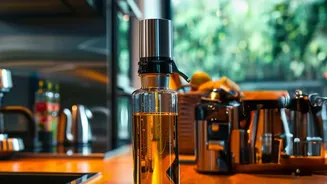
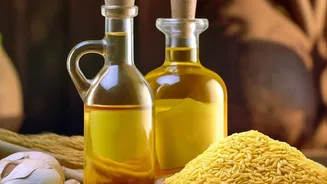
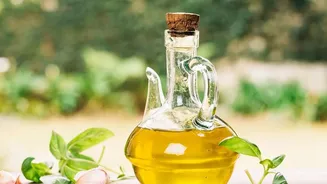
It’s a common habit to pour oil directly from the container into a hot pan, but this almost always leads to using more than you need. The simplest and most effective change is to start measuring. Use a tablespoon to portion out oil for your daily cooking.
The Food Safety and Standards Authority of India (FSSAI) recommends this practice to control consumption. You might be surprised to find that many sabzis and dals need far less oil than you think, especially when paired with good cookware. This single habit shift makes you more mindful of your usage and can drastically cut down on how quickly you go through a bottle.
Invest in Non-Stick Cookware
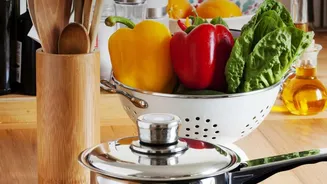
The type of pan you use has a huge impact on oil consumption. Traditional steel or iron kadais often require a generous layer of oil to prevent food from sticking and burning. Investing in good quality non-stick cookware is one of the most impactful changes you can make. A non-stick surface allows you to sauté onions, tomatoes, and spices with as little as a teaspoon of oil, reducing usage by 60-70% for some dishes. While the initial cost might be higher, quality non-stick pans last for years and pay for themselves through the savings on oil.
Embrace Low-Oil Cooking Methods
Frying isn't the only way to cook delicious Indian food. Exploring alternative cooking methods can dramatically reduce your oil needs while often making meals healthier. Consider these options: steaming for dishes like idli and dhokla, which require no oil at all; baking or grilling for tikkas and kebabs, which gives a smoky flavour with minimal oil; and air-frying for crispy snacks like pakoras and samosas, which gives you that satisfying crunch with a fraction of the fat. Even for curries, pan-frying instead of deep-frying and then covering the vessel with a lid helps food cook faster in its own moisture, consuming less oil.
Use Water or Broth to Sauté
A classic Indian curry base often starts with sautéing onions, ginger, and garlic in oil. A clever technique to cut back is 'water sautéing'. After an initial tadka with a small amount of oil, if the masala starts to stick to the pan, resist the urge to add more oil. Instead, add a splash of water, vegetable broth, or tomato puree. This not only prevents sticking but also helps the ingredients soften and cook evenly, developing a deep flavour base without the extra fat. This method works perfectly for most everyday sabzis and dal preparations.
Choose Your Oil Wisely
Not all oils are priced equally. While it's tempting to buy what's on sale, understanding the most cost-effective oils for Indian cooking can help manage your budget. Domestically produced oils like mustard, soybean, and sunflower oil are often more affordable than imported varieties. Mustard oil, a staple in North and East India, has a strong flavour, meaning you can often use less of it. Soybean oil is another budget-friendly choice for general-purpose cooking. Consider your cooking needs; a high-heat oil for frying and a more flavourful, budget-friendly one for everyday curries can be a smart strategy.
Store It Right to Prevent Wastage
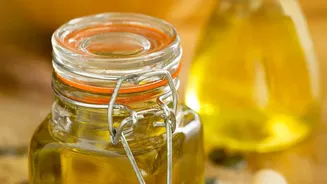
Wasting oil is like pouring money down the drain. Improper storage can cause oil to turn rancid, developing a foul smell and bitter taste that ruins food. To maximize its shelf life, store your cooking oil in a cool, dark place like a pantry, away from direct sunlight and heat sources like the stove. Heat and light are the biggest enemies of oil freshness. Ensure the container is sealed tightly to prevent oxidation. Storing oil correctly means you use every last drop you paid for, preventing spoilage and saving you from having to buy it more frequently.