




The New Fitness Hub
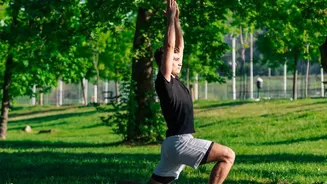
Step into parks like Cubbon Park in Bengaluru, Lodhi Garden in Delhi, or Priyadarshini Park in Mumbai on any given morning, and you'll see a cultural shift in motion. Where once there were only joggers and walkers, there are now organised boot camps,
spirited calisthenics groups, and rows of yoga mats. Young professionals and students are reclaiming these public spaces, transforming them into vibrant fitness hubs. This movement is a visible departure from the traditional, enclosed gym environment. It’s a grassroots trend, powered by a collective desire for something more than a treadmill and a set of weights. The park has become the new default setting for fitness for a growing number of urban Indians, reflecting a change in how they approach health and community.
Fresh Air, Lower Costs
Several factors are driving this exodus from indoor gyms. For many young adults navigating the high cost of living in metro cities, the economic argument is compelling. Gym memberships can be a significant expense, while park workouts are entirely free. Beyond the financial benefits, there's a growing appreciation for exercising in open, green environments, which studies have linked to improved mental well-being. The post-pandemic mindset has also played a crucial role. After months of being confined indoors, many people are actively seeking fresh air and open spaces, making the prospect of a workout in a climate-controlled room less appealing. This desire for functional fitness that focuses on mobility and bodyweight exercises, such as calisthenics, is perfectly suited to the minimal-equipment setting of a park.
Community and Connection
Perhaps the most significant driver of this trend is the sense of community. Unlike the often solitary experience of a commercial gym, park workouts are inherently social. Groups often form organically through word-of-mouth or are organised via WhatsApp and Instagram, creating a supportive and motivational environment. For many, these morning or evening sessions have become a 'third place' — a social anchor outside of home and work where they can build relationships. Coaches and fitness enthusiasts note that people from diverse professions—from doctors and lawyers to students and tech professionals—train together, fostering a unique camaraderie. This social element makes it easier to stay consistent and turns a daily workout from a chore into a highly anticipated social event.
Calisthenics and Bodyweight Boom
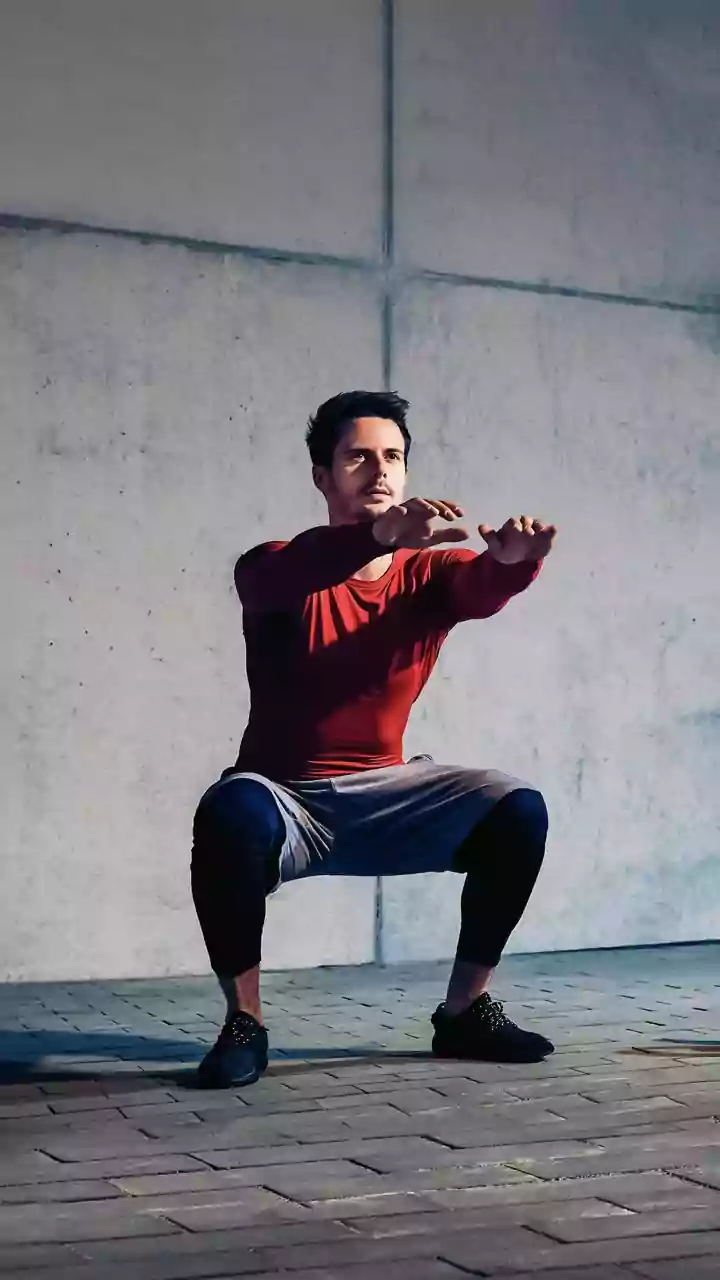
The types of exercises popular in these parks are telling. Calisthenics, a form of strength training that uses a person's own bodyweight, has seen a massive surge in popularity. It requires minimal equipment, often just a set of pull-up bars, making it ideal for a public park setting. Dedicated calisthenics parks and communities are emerging across the country, from Hyderabad to Mumbai. Alongside calisthenics, yoga, running clubs, and high-intensity interval training (HIIT) sessions are also common sights. These workouts focus on functional strength, flexibility, and endurance, aligning with a broader wellness trend that prioritizes long-term health over purely aesthetic goals.
Growing Pains and Future of Urban Fitness
This popular new use for public parks is not without its challenges. In some high-density areas, there are concerns about overcrowding and the potential for friction between different user groups, such as the new fitness communities and the traditional morning walkers. There are also questions regarding the maintenance of outdoor gym equipment and ensuring its safe use without professional supervision. However, the trend points towards a broader re-imagining of urban landscapes. Municipal bodies are increasingly recognising the need to develop more fitness-friendly public spaces, including expanding green zones and installing open-air gyms. This shift suggests a future where health and wellness are integrated more seamlessly into the fabric of city life, moving beyond the four walls of a gym and into the community itself.