


The Tale of Two Fats: A Simple Breakdown
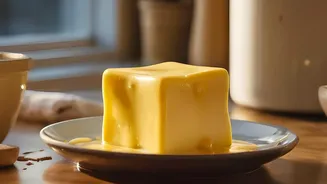
At the heart of this kitchen debate is the difference between two types of fat: saturated and unsaturated. Butter is loaded with saturated fat. While not an enemy in small amounts, a diet high in saturated fat can increase the levels of 'bad' LDL cholesterol
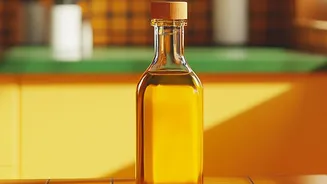
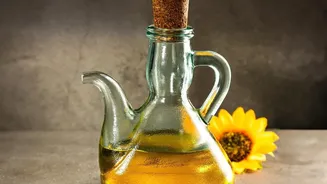
in your blood. This can lead to the buildup of plaque in your arteries, a condition known as atherosclerosis, which increases the risk of heart disease. In contrast, vegetable oils are primarily composed of unsaturated fats—both monounsaturated and polyunsaturated. These are considered 'good' fats because they can help lower bad LDL cholesterol and may even boost 'good' HDL cholesterol, actively working to keep your arteries clear and your heart functioning smoothly. Studies have shown that replacing saturated fats with unsaturated fats is a smart move for cardiovascular health.
Why 'Cold-Pressed' Matters
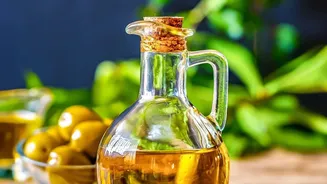
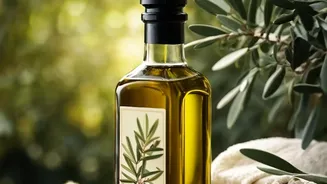
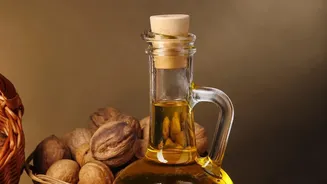
Not all oils are created equal, and the term 'cold-pressed' on a label is a mark of quality. Cold-pressing is an extraction method that avoids high heat and chemical solvents. This gentle process crushes the seeds or nuts to release the oil, preserving its natural nutrients, antioxidants like Vitamin E, and flavour. Refined oils, on the other hand, undergo processing at high temperatures, which can strip away these beneficial compounds and sometimes even create harmful trans-fats. By choosing cold-pressed, you are getting an oil that is not only rich in heart-healthy unsaturated fats but also packed with the antioxidants that fight inflammation and oxidative stress, both of which are underlying factors in heart disease.
Heart-Healthy Oils for the Indian Kitchen
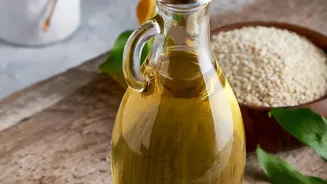
The good news is that many traditional Indian cooking oils are fantastic for heart health, especially in their cold-pressed forms. Cold-pressed mustard oil, a staple in many parts of the country, is an excellent choice. It has a favorable balance of omega-3 and omega-6 fatty acids, is high in monounsaturated fats (MUFA), and low in saturated fats (SFA). Studies suggest its consumption can reduce the risk of coronary heart disease. Cold-pressed groundnut (peanut) oil and sesame oil are also great options, rich in MUFAs that help lower bad cholesterol. Even cold-pressed coconut oil, used widely in South India, can be used in moderation; while high in saturated fats, they are mainly medium-chain triglycerides (MCTs) which the body processes differently.
Making the Switch from Butter
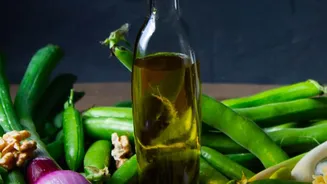
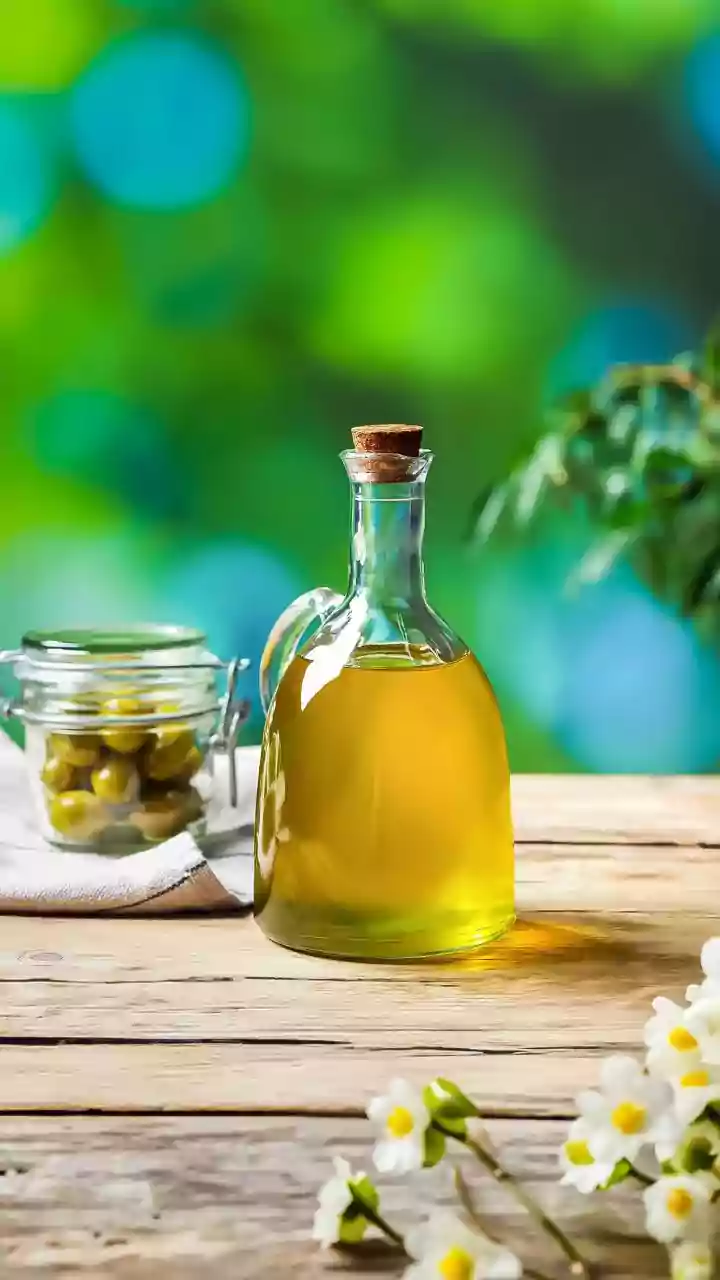
Swapping butter for unsaturated oils is simpler than you might think. Research shows that replacing even small amounts of butter with vegetable oil can lead to a significant reduction in mortality risk from heart disease. Start by using oils for sautéing vegetables and preparing tadkas, rather than butter. A drizzle of cold-pressed olive oil over a salad or groundnut oil for light frying are easy swaps. When a recipe calls for melted butter, you can often substitute it with an equal amount of oil. For baking, the substitution might require slight adjustments, but it's a worthwhile experiment for your heart. The goal isn't to eliminate butter completely, but to shift the balance in your daily cooking towards these healthier, heart-protective fats.