



A Global Palate in the Making
For decades, the primary foreign culinary influence on the Indian vegetarian diet has been Indian-Chinese, a beloved fusion born in Kolkata that adapted Chinese techniques to the Indian palate with generous use of ginger, garlic, and chilli. Dishes like
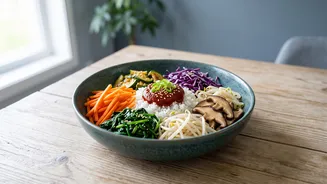
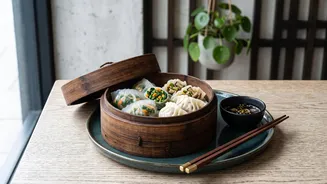
Gobi Manchurian and Hakka noodles became household names. Today, however, the culinary curiosity of young, urban Indians has expanded dramatically. Driven by global exposure through travel and digital media, cuisines from East and Southeast Asia are finding a prominent place on the menu. This isn't just about occasional celebratory meals; it's about integrating dishes like vegetarian ramen, bibimbap, and sushi into their regular diet. This growing appetite for new experiences is changing the very definition of comfort food for a generation that grew up with the world at their fingertips.
The Social Media and Wellness Effect
Two powerful forces are accelerating this trend: social media and a growing consciousness around health. Platforms like Instagram and TikTok have become digital cookbooks and food discovery engines. The visual appeal of a colourful sushi platter or a steaming bowl of ramen makes them highly 'Instagrammable', encouraging young consumers to seek out and share these food experiences. Simultaneously, there's a rising interest in the health benefits associated with many Asian cuisines. Japanese and Korean foods, in particular, are often perceived as healthier choices due to their emphasis on fermentation (kimchi, miso), fresh vegetables, and lighter cooking methods. As young Indians, especially Gen Z, increasingly prioritize wellness and balanced meals, these cuisines offer an appealing combination of novelty and nutrition.
Not Just Imported, but Indianised
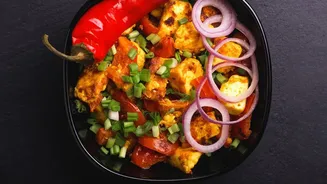
The adoption of these new cuisines is not a simple copy-paste exercise. Just as Chinese food was adapted to create Indian-Chinese, a similar process of creative fusion is happening now. Chefs and home cooks are reinterpreting Asian dishes to suit local tastes and dietary habits, particularly the country's large vegetarian population. This results in exciting innovations like paneer or tofu replacing meat in Korean BBQ-style preparations, and Jain-friendly sushi that omits onion and garlic. The core flavours might be global, but the execution is distinctly local, balancing the sharp, quick heat of many Asian dishes with the robust, layered spice profiles that Indian diners love. This adaptability ensures that the dishes feel both adventurous and comfortably familiar.
Expanding the Vegetarian Vocabulary
This culinary shift is also expanding the Indian vegetarian pantry. While paneer and potatoes remain beloved, young consumers are becoming more familiar with a wider array of ingredients. Tofu, edamame, various types of mushrooms, seaweed, and avocados are appearing more frequently in shopping carts and on restaurant menus. Flavour profiles are also becoming more complex, with ingredients like gochujang (Korean chilli paste), miso, and yuzu gaining popularity. This infusion of new tastes and textures is enriching India's already diverse vegetarian landscape, providing more choices and pushing the boundaries of what a vegetarian meal can be. It signals a move beyond traditional staples towards a more dynamic and globally-influenced approach to plant-based eating.