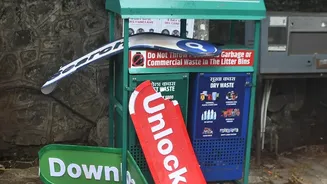







The Roadside Reality
From the Himalayas to the coast, India's highways are a lifeline and a gateway to adventure. Yet, they are increasingly choked with litter. Much of this waste—plastic wrappers, bottles, and food containers—is generated by us, the travellers. This isn't
just an eyesore; it pollutes soil and water, harms wildlife that may ingest plastic, and contributes to a larger public health issue. Waste management systems in rural or remote areas are often not equipped to handle the surge in tourist-generated garbage, meaning what's left behind often stays there, damaging fragile ecosystems.
Your Pre-Trip Prep Kit
A zero-waste road trip starts before you even turn the key. The first step is to minimise what you'll need to throw away. Pack reusable water bottles for everyone in the car to avoid buying single-use plastic bottles. Bring snacks from home in reusable containers or cloth bags. Instead of relying on disposable cutlery from dhabas, carry your own set of steel spoons and forks. Finally, prepare your in-car waste system: bring at least two or three separate bags—one for dry waste, one for wet waste, and a smaller one for sanitary or hazardous waste. This simple prep makes segregation on the move much easier.
Segregation 101: Dry Waste
Your 'dry waste' bag is for anything that is not organic or soiled. This is the most common type of waste on a road trip. Think plastic bottles, empty chip packets, paper cups, newspapers, cardboard, and metal cans. Before tossing these items into your dry waste bag, try to ensure they are relatively clean and empty. A quick shake to remove crumbs or a rinse if water is available can prevent smells and contamination. This category holds most of the recyclables, and keeping them separate is the most critical step for ensuring they can be processed correctly later.
Handling Wet and Sanitary Waste
The 'wet waste' bag is for biodegradable items. This includes fruit peels, leftover food, tea bags, and other organic matter. To avoid unpleasant smells and leaks in the car, it's best to use a bag with a secure lining or place a smaller, sealable container inside a larger bag. This waste can be composted, so it's vital to keep it free from plastic. A third, smaller bag should be designated for 'sanitary' or 'hazardous' items. This includes used tissues, wet wipes, diapers, and sanitary napkins. Keeping this separate is crucial for hygiene and safe disposal.
The Final Step: Responsible Disposal
Collecting and segregating waste is only half the battle; disposing of it correctly is the final, crucial step. Do not throw your collected bags into a roadside bin in a rural area or forest, as these are often not regularly emptied and can be accessed by animals. Instead, carry your waste with you until you reach a town or city with a formal waste management system. Your hotel, a designated municipal bin in a town, or a collection centre are the best places to empty your bags. The segregated dry waste can often be given to a local 'kabadiwala' or recycler. Your conscious effort ensures the waste you created is managed, not just moved.