


A Partnership Forged for the Stars
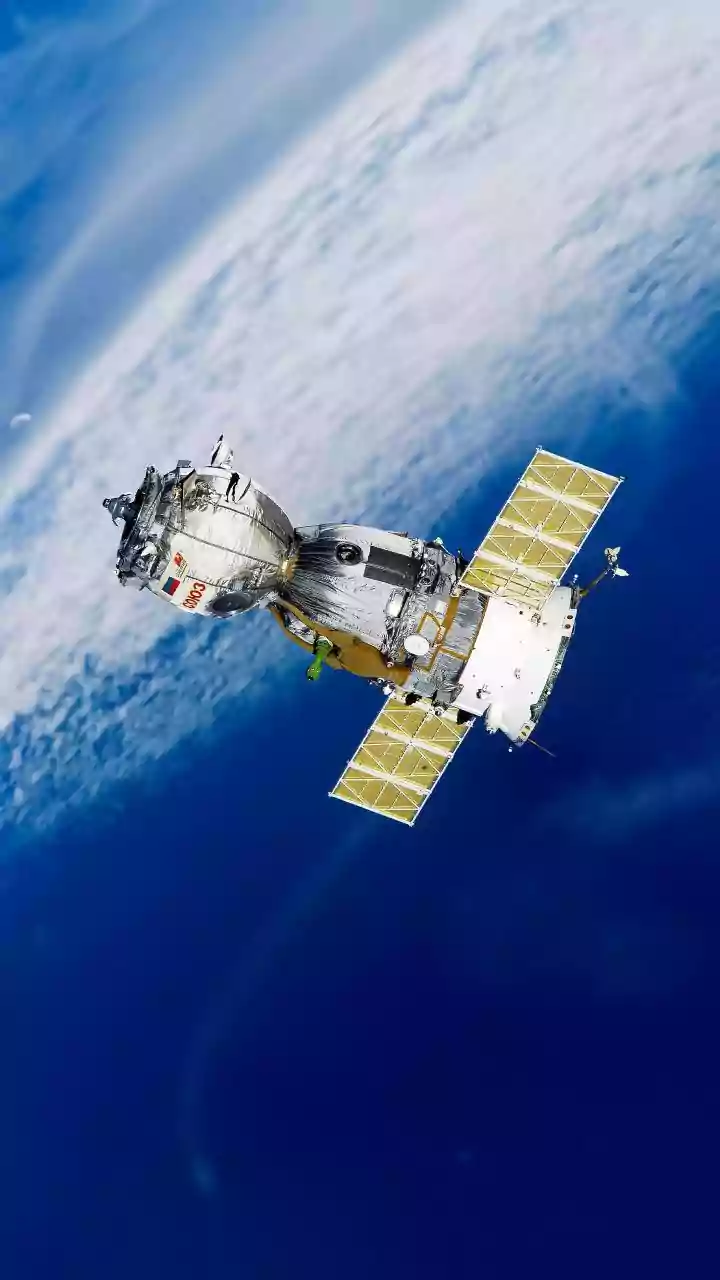
The collaboration between the Indian Space Research Organisation (ISRO) and the All India Institute of Medical Sciences (AIIMS) is a strategic move to support India’s ambitious human spaceflight program, including the Gaganyaan mission. The primary goal
is to study how the human body reacts to the extreme conditions of space—microgravity, radiation, and confinement. This involves deep research into everything from cardiovascular health and muscle loss to behavioural changes and genomics. By bringing together ISRO's engineering prowess and AIIMS' medical expertise, the partnership aims to create a robust ecosystem for space medicine, ensuring the safety and well-being of Indian astronauts, or 'Vyomanauts'. This formal agreement creates a framework for both ground-based simulations and future space-based studies, marking a significant milestone in the nation's space journey.
Space Challenges, Earthly Solutions
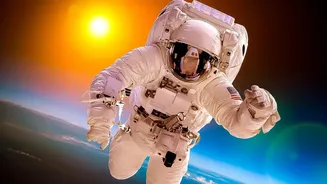
The health challenges faced by astronauts are unique and intense. In microgravity, the body undergoes changes that mimic accelerated ageing. Astronauts can lose bone density at a rate of 1-2% per month, face muscle atrophy, and experience fluid shifts that put stress on the heart and circulatory system. Studying these effects provides a unique opportunity for scientists. According to experts, understanding the rapid muscle and bone weakening in space helps researchers better understand age-related conditions like osteoporosis and circulatory disorders on Earth. Essentially, the zero-gravity environment of space acts as a natural laboratory for studying human diseases and the ageing process, offering insights that are difficult to obtain on the ground.
From Rocket Tech to Remote Clinics
The innovations born from this collaboration are not destined to remain in orbit. Many technologies developed to keep astronauts healthy have direct applications for public healthcare in India. For instance, devices designed to improve blood flow in astronauts' legs to counteract the effects of microgravity could be adapted to treat patients with circulatory problems. Furthermore, the need for compact, durable, and remote-operated medical equipment in a spacecraft drives the development of miniaturised diagnostic tools. These devices, from health monitors to emergency medical kits, can be deployed in remote and underserved areas of India, bringing advanced medical technology to rural clinics where resources are scarce. Telemedicine protocols developed to monitor astronauts' health in real-time can also be scaled to improve remote patient care across the country.
The AI and Data Revolution in Medicine
A crucial aspect of the ISRO-AIIMS partnership is the focus on data, genomics, and artificial intelligence. Monitoring an astronaut's health requires constant data streams, predictive analysis, and AI-driven diagnostics to catch problems before they become critical. The research will generate a vast amount of India-specific physiological data, as most existing information is based on Caucasian astronauts. The AI models and algorithms developed to analyse this complex data can be repurposed for terrestrial healthcare. This could lead to more accurate diagnostic tools, predictive models for disease outbreaks, and personalised treatment plans based on an individual's genetic makeup and lifestyle. This data-driven approach promises to make healthcare more predictive, preventative, and precise for the general population.
The Road Ahead and Its Impact
While the potential is immense, the journey is just beginning. The collaboration is a long-term initiative, with initial research outcomes expected within the next couple of years. The partnership will focus on creating training modules for doctors and researchers, establishing joint monitoring centres, and developing new medical devices. As AIIMS Director Prof M. Srinivas noted, this collaboration provides the "escape velocity to venture into space medicine," with benefits for patients, the nation, and all of humankind. Ultimately, this partnership is about more than just a successful space mission; it represents a powerful vision where the quest to explore the final frontier leads directly to a healthier future for everyone back on Earth.