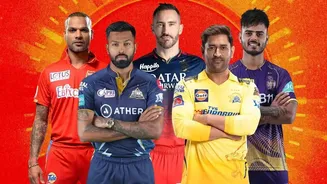




The High-Stakes Retention Rules
This isn't just a minor shuffle; it's the foundation for the next three-year cycle of the world's biggest T20 league. While the upcoming event is a mini-auction, the retention rules set for this cycle dictate the long-term strategy. Teams are expected
to be allowed to retain a maximum of six players, a combination of direct retentions and Right to Match (RTM) cards. However, these retentions come at a steep cost, with a tiered deduction from the overall salary purse. The first retained player could cost a franchise as much as ₹18 crore, the second ₹14 crore, and so on. This sliding scale forces teams into excruciating choices: can you afford to keep all your superstars? Is a reliable domestic player a better value retention than a high-priced, inconsistent overseas star? These are the questions turning team headquarters into high-pressure war rooms.
Chennai Super Kings: The Emotional Succession
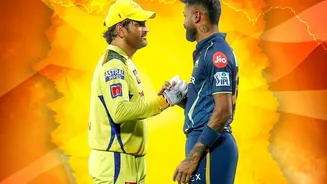
No team blends emotion and strategy quite like Chennai Super Kings. Their biggest dilemma is, as always, generational. With MS Dhoni’s playing future a constant source of national speculation, the franchise faces a monumental decision. A new rule allows a player to be classified as 'uncapped' if they haven't played for India in five years, potentially opening a path to retain Dhoni on a lower-cost slot, but is that the right move for a team building for the future? Then there's the captain, Ruturaj Gaikwad, and recent star performer Sanju Samson, who scored two centuries in the 2026 season. Add young talents like Dewald Brevis to the mix, and you have more must-keep players than available slots. For CSK, every retention choice is a statement on whether they are honouring the past or building the future.
Mumbai Indians: The Pain of Too Much Talent
Mumbai Indians have the opposite problem: an embarrassment of riches. A subpar 2026 season means a shake-up is inevitable, but how do you start? Jasprit Bumrah and Suryakumar Yadav are automatic choices, the very spine of the team. But from there, the decisions become agonising. Do they retain a proven match-winner like Quinton de Kock, who missed time due to injury? What about the engine room of Indian talent they have cultivated over the years? Players who were once young prospects are now stars in their own right, demanding a significant chunk of the purse. Letting go of a player nurtured at MI, only to watch them dominate for another franchise, is a recurring nightmare for the team's management. The franchise is known for its unsentimental, data-driven approach, but even their analytics models will be pushed to the limit.
Royal Challengers Bangalore: The Champion’s Burden
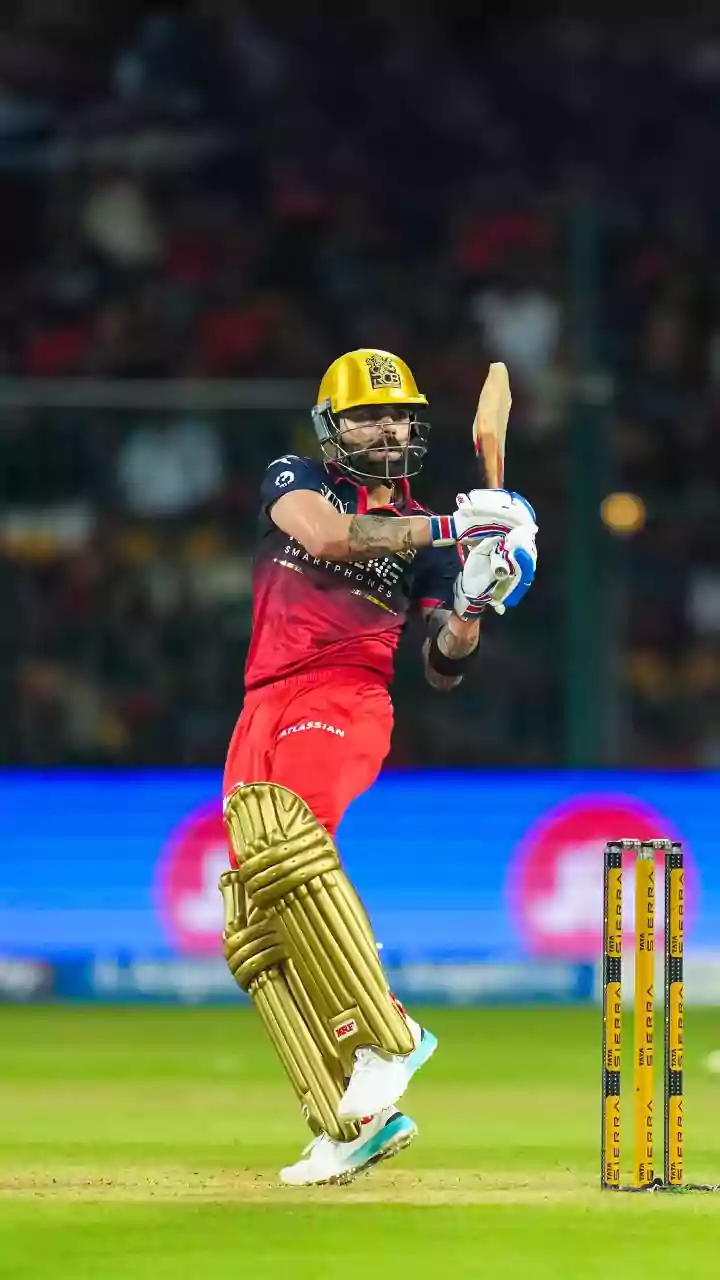
Finally getting their hands on the trophy in 2026 has created a new kind of pressure for RCB: the pressure to repeat. Virat Kohli remains the soul of the team, an undeniable first retention. But building a championship squad is about the sum of the parts. Do they keep the core of their winning 2026 team together, even if it means paying a premium? Key performers from their title run will now command higher salaries. The challenge lies in identifying who was essential to the win and who can be replaced at the auction for a better price. The franchise has often been accused of top-heavy strategies, and now they must decide whether to reward the players who brought them glory or make ruthless calls to stay ahead of the curve and build a dynasty, not just a one-off win.
Kolkata Knight Riders: The Gambler's Choice
KKR's front office is staring at a massive strategic gamble. Their decision to invest a reported ₹18 crore in Matheesha Pathirana backfired when the pacer was ruled out with injury early in the 2026 season. Do they double down and retain him, hoping he returns to his explosive best, or do they cut their losses? This one decision could define their auction strategy. Meanwhile, players like the ever-reliable Rinku Singh have proven their worth time and again, becoming the heartbeat of the middle order. Balancing the potential of a high-risk, high-reward player like Pathirana against the proven consistency of others is a classic IPL dilemma. KKR must choose its path: play it safe and build around known quantities, or take another big swing in hopes of hitting the jackpot.