







The Problem with Staying Still
The human body is designed for movement. When you remain in a static position for extended periods, whether sitting or standing, you are working against its natural design. This prolonged inactivity has several negative effects on your joints. Firstly,
it hinders the circulation of synovial fluid, the natural lubricant that nourishes your cartilage and keeps joints moving smoothly. Without regular movement, this fluid becomes stagnant, effectively starving your joints of essential nutrients and leading to stiffness and discomfort. Over time, this lack of nourishment can accelerate the wear and tear on cartilage, the protective cushion between your bones.
Muscle Weakness and Imbalances
Prolonged sitting doesn't just affect the joints directly; it also weakens the muscles that support them. Key postural muscles in your core, glutes, and back become inactive and weaken over time. Simultaneously, other muscles, like your hip flexors, become tight and shortened from being in a constant state of flexion. This creates muscular imbalances that place additional stress on your spine, hips, and knees. When supporting muscles are weak, the joints themselves are forced to absorb more impact and strain, increasing the risk of pain, instability, and long-term degenerative issues.
It's Not About the 'Perfect' Posture
While good ergonomic posture is important, the biggest mistake office workers make is thinking they must find one 'perfect' position and hold it all day. The reality is that even a good posture becomes a bad posture when held for too long. The key to joint comfort isn't just about how you sit, but how often you stop sitting in that specific way. The goal is to avoid static loading, which is the constant pressure on the same muscles and joints. Shifting your position frequently is the most effective strategy to combat the pain, stiffness, and fatigue associated with desk work.
Actionable Strategies for All-Day Movement
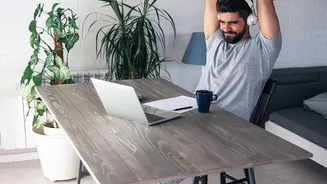
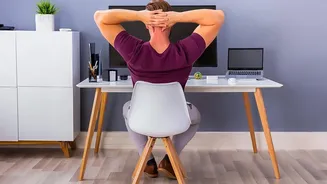
Incorporating more movement doesn't require a complete overhaul of your workday. Experts recommend changing your position every 30 to 60 minutes. Set a timer on your phone or computer as a simple reminder to get up. When you do, you don't need to run a lap around the office. Simple actions make a big difference. Stand up during phone calls or online meetings where you don't need to be on camera. Walk to a colleague's desk instead of sending an email. Take short, frequent breaks to stretch your neck, shoulders, and back. Even simple desk-friendly exercises like seated spinal twists, shoulder rolls, or leg extensions can significantly improve circulation and relieve tension.
The Power of Micro-Movements
Don't underestimate the value of small, almost subconscious movements throughout the day. This can include fidgeting, shifting your weight in your chair, rolling your ankles, or simply adjusting your chair's height or tilt. These micro-movements, often called non-exercise activity thermogenesis (NEAT), help stimulate blood flow, prevent stiffness, and engage different muscle groups, even on a small scale. Tapping your feet, gently bouncing a leg, or even doing seated calf raises while you type can contribute to better overall joint health and comfort by preventing your body from settling into a completely static state.