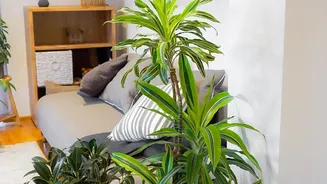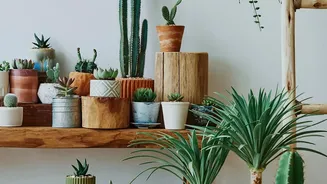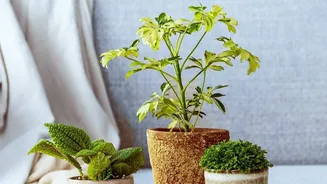



The Hardy Snake Plant
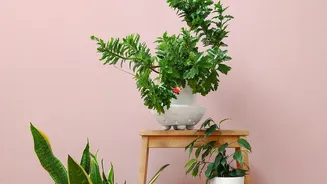
Often called Mother-in-Law’s Tongue, the Snake Plant is a champion of low-maintenance indoor greenery. Its vertically-growing, architectural leaves are not just for show; they are excellent at absorbing excess moisture from the air, making it a perfect
first line of defence against monsoon humidity. This plant is particularly effective in bedrooms as it releases oxygen at night while taking in airborne moisture, helping to reduce condensation on windows. A major bonus for renters is its hardiness. It thrives in various light conditions, from bright indirect light to shadier corners, and is quite forgiving if you forget to water it occasionally.
The Elegant Peace Lily
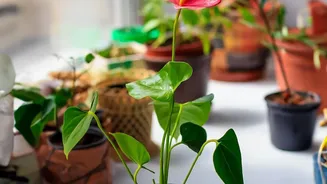
The Peace Lily, with its glossy dark leaves and elegant white blooms, is more than just a pretty face. It is one of the most effective houseplants for absorbing moisture directly through its leaves. This ability makes it ideal for managing dampness and preventing the growth of mould spores during the rainy season. Native to tropical rainforests, it naturally thrives in high-humidity environments, making it a perfect fit for bathrooms or laundry areas. For renters, it's an easy-care option that tolerates lower light conditions and provides a clear signal when it needs water—its leaves will droop dramatically but perk up quickly after a drink.
The Prolific Spider Plant
The Spider Plant is an adaptable and fast-growing houseplant that’s incredibly effective at improving indoor air quality. While some sources suggest it increases humidity through transpiration, many others note its ability to absorb excess moisture, making it a great regulator for indoor environments. It helps improve air circulation and can tolerate the excess moisture typical of the monsoon season. Its cascading leaves, which produce tiny plantlets or “pups,” make it perfect for hanging baskets, freeing up floor space in smaller rental apartments. It is also non-toxic, making it a safe choice for homes with pets and children.
The Trailing English Ivy
English Ivy is a beautiful trailing vine that is particularly skilled at combating mould. Studies have shown its remarkable ability to absorb airborne mould spores, which are a common problem in damp monsoon weather. It thrives in humid conditions and can effectively absorb moisture from the air in rooms like the bathroom. As a renter, you can place it in a hanging basket or on a high shelf, allowing its vines to cascade down without needing to attach them to walls. It’s a low-maintenance plant that grows well even in spaces with less light, making it a versatile choice for any corner of your apartment.
The Lush Boston Fern
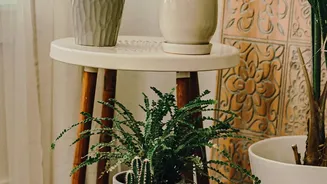
The Boston Fern is a classic plant known for its love of humidity, which makes it a natural dehumidifier. It absorbs moisture from the air, helping to balance the humidity levels indoors. Its lush, feathery fronds can bring a touch of the tropical forest into your home, but it does require a bit more attention than other plants on this list. It prefers consistently moist soil and a good amount of indirect light. Placing it in a bathroom or kitchen where humidity is naturally higher will help it thrive and do its job of keeping the air fresh and less damp.
The Magic of Natural Clay Dehumidifiers
Beyond plants, natural clay dehumidifiers are a simple, effective, and eco-friendly tool for monsoon living. Made from porous clay minerals like bentonite or montmorillonite, these materials are naturally hygroscopic, meaning they attract and absorb water vapour from the air. Often sold as clay pots, balls, or in porous sachets, they require no electricity to function. You can simply place them inside closets, cabinets, shoe racks, or small, enclosed rooms where dampness and musty odours are a problem. The clay passively pulls moisture from the atmosphere, helping to protect clothes, books, and electronics from damage.
How to Use and Recharge Clay
Using clay dehumidifiers is incredibly straightforward for renters. Unlike electric units, they are silent and can be placed anywhere. Once the clay becomes saturated with water (it will feel heavy or damp), it can be easily “recharged.” Simply place the clay items in direct sunlight for a few hours or bake them in an oven at a low temperature. This process evaporates the collected moisture, making the clay ready to be used again. This reusability makes them a sustainable and cost-effective solution for battling dampness year after year, without adding to your electricity bill or taking up significant space.