



A New Strategic Push
At recent high-level meetings and industry forums, government officials and investors have signaled a coordinated and aggressive push to transform Andhra Pradesh's tourism sector. The state's new Tourism Policy 2024-29 is the cornerstone of this strategy,
granting the sector official "industry status." This move unlocks crucial incentives like capital subsidies and tax reimbursements, aiming to attract over ₹20,000 crore in investments. The clear message from these gatherings is that the state is moving beyond piecemeal efforts toward an integrated plan to build a globally competitive tourism ecosystem.
Beyond Spiritual Circuits
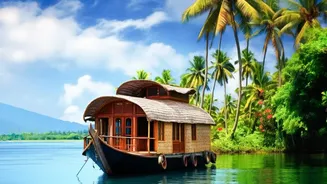
For decades, tourism in Andhra Pradesh was largely defined by pilgrimage, with visitors flocking to major temples like Tirupati and Srisailam. While spiritual tourism remains a vital component, the new vision is far broader. The strategy now is to connect the state's vast, 974-kilometer coastline with its rich cultural and natural interior. The government is actively developing seven major tourism hubs, including Visakhapatnam, Araku Valley, Gandikota, and Tirupati, which will be connected by over 25 thematic circuits. The goal is to encourage longer stays by showing visitors that a beach holiday and a heritage tour can be part of the same trip.
The Untapped Coastal Goldmine
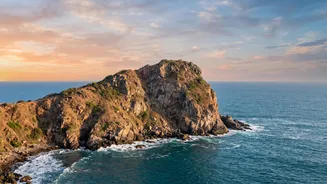
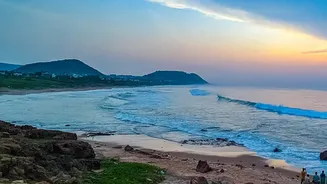
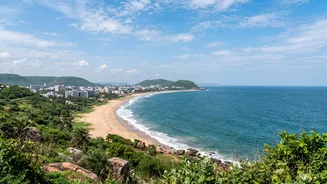
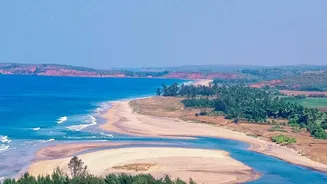
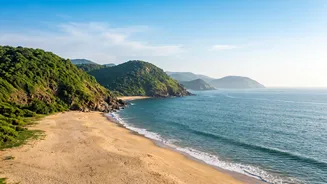
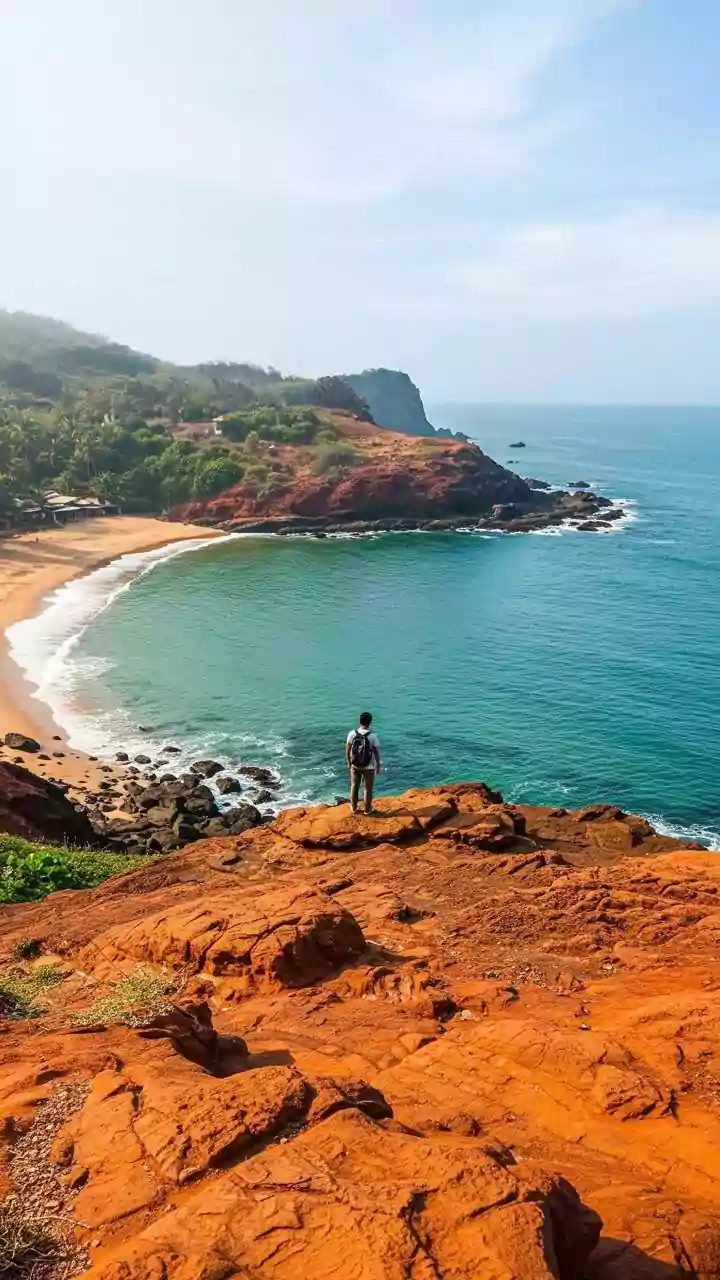
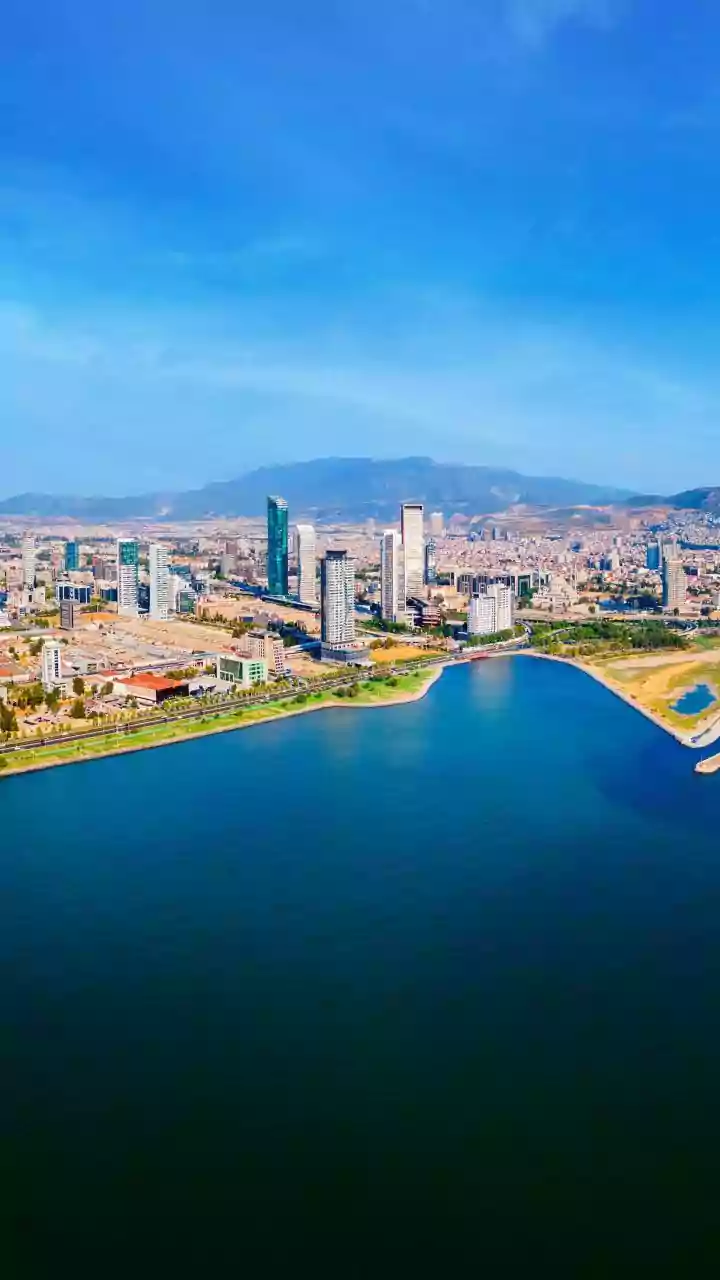
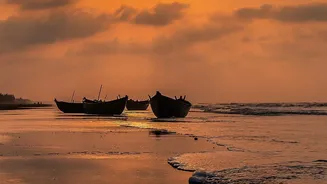
With one of India's longest coastlines, the state's beaches have been identified as a key area for development. Visakhapatnam is being positioned as the coastal flagship, with plans for eco-friendly beach shacks and a framework to attract major music and cultural events. The government is also focusing on developing adventure and water sports to attract younger travelers. Beyond the major cities, lesser-known coastal gems and the tranquil Coringa Wildlife Sanctuary, one of India's largest mangrove forests, are being highlighted as potential eco-tourism hotspots.
Hills, Valleys, and Hidden Canyons
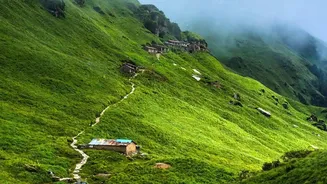
The Eastern Ghats provide Andhra Pradesh with a stunning and often overlooked natural advantage. Hill stations like the Araku Valley, with its coffee plantations and tribal culture, and Lambasingi, dubbed the 'Kashmir of Andhra Pradesh' for its misty winters, offer a cool retreat. Development plans for these areas focus on trekking, eco-lodges, and sustainable community-based tourism. Perhaps the most dramatic landscape is Gandikota, often called the 'Grand Canyon of India', where the Pennar river has carved a spectacular gorge. This, along with the nearby Belum Caves, forms a unique adventure and geological tourism circuit.
Infrastructure and Investment
To support this ambitious vision, a massive infrastructure upgrade is underway. Leading hospitality brands like Taj Hotels, Marriott, and Hilton are planning projects that will add over 7,700 new hotel rooms across the state. Connectivity is also being improved, with the development of heli-tourism and seaplane routes to link coastal hubs with interior destinations. Furthermore, the government is promoting homestay tourism by partnering with major travel platforms and has introduced a dedicated Tourist Police policy to ensure visitor safety. These measures are designed to build confidence among both investors and travelers.