




Back to the Future of Food
Not long ago, the modern Indian plate seemed to be moving in one direction: towards processed foods, refined grains, and ingredients available 365 days a year. But a significant counter-movement is gaining momentum. Families and individuals are consciously
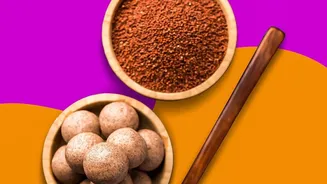
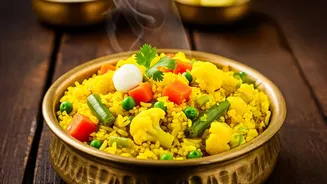
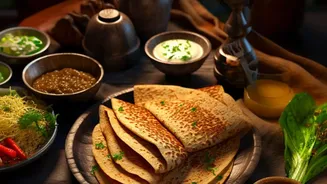
looking backward to move forward, embracing the foods their grandparents ate. This revival is championing ancient grains like millets, which were staples for centuries before high-yield wheat and rice took over. Grains such as ragi (finger millet), jowar (sorghum), and bajra (pearl millet) are returning to daily meals, not as a novelty, but as a nutritious foundation for rotis, porridges, and more. This isn't just about nostalgia; it's a deliberate choice for a more authentic and nourishing way of eating.
Health, Wellness, and the Gut
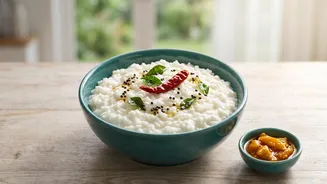
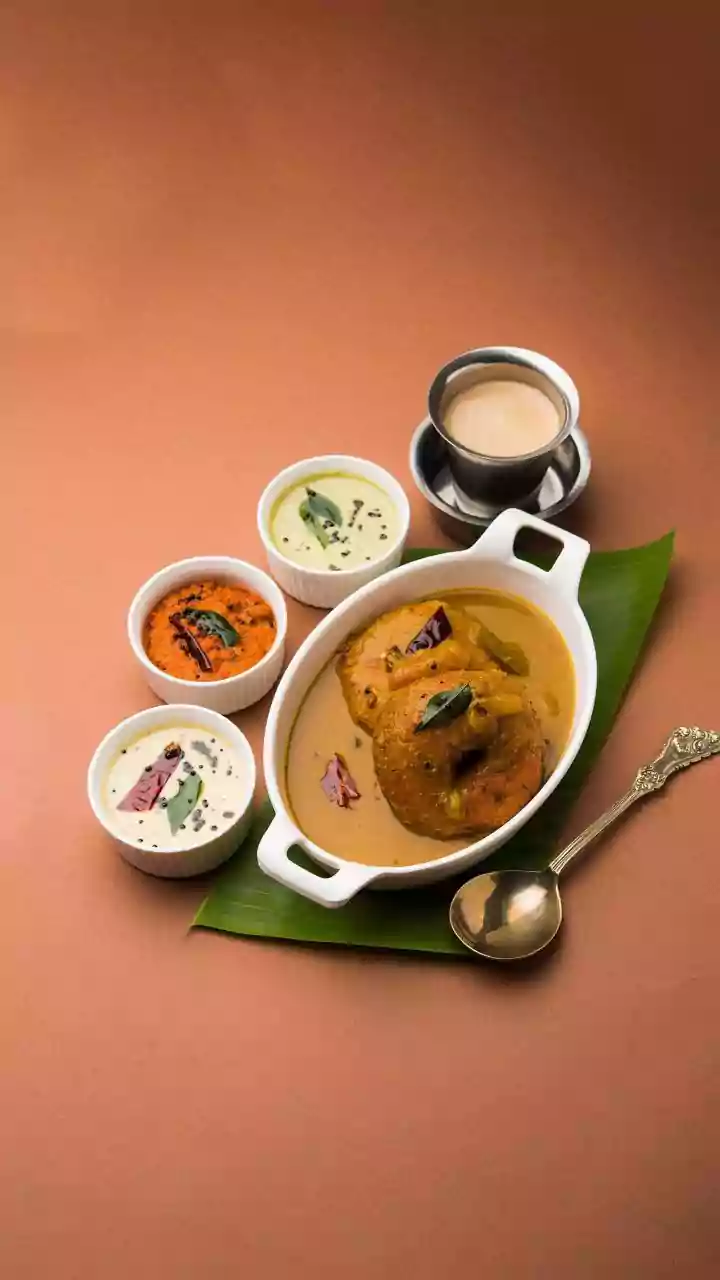
A primary driver of this revival is a growing awareness of health and wellness. Many are discovering that traditional Indian dietary patterns were naturally designed for well-being. The focus on gut health, in particular, has led people back to homemade, fermented foods like dahi, idli batter, and kanji, which are natural sources of probiotics. The high fibre content in traditional diets, rich in whole grains, lentils, and diverse vegetables, is now understood to be crucial for a healthy digestive system. Millets, for example, are nutritional powerhouses. Ragi is exceptionally high in calcium, bajra in iron, and all are naturally gluten-free, offering vital nutrients that are often lacking in modern, processed diets.
Eating in Tune with Nature's Clock
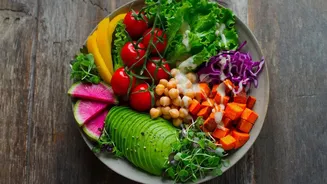
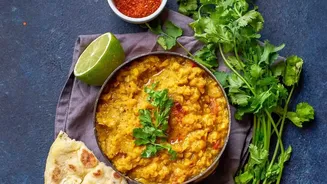
For generations, the Indian kitchen operated on a natural calendar. This revival is seeing a return to that seasonal wisdom. Eating seasonally means choosing foods that are naturally harvested at a particular time of year, ensuring they are at their freshest, most flavourful, and nutrient-dense. Traditional food calendars were built on this principle, recommending cooling foods like cucumber and watermelon in the summer, and warming, energy-dense foods like root vegetables, ghee, and bajra in the winter. During the monsoon, the focus shifted to light, easily digestible meals like moong dal and ginger-spiced rasam to support a sluggish digestive system. This approach is not a restrictive diet but a way of aligning the body's needs with the environment.
From Local Farms to Five-Star Tables
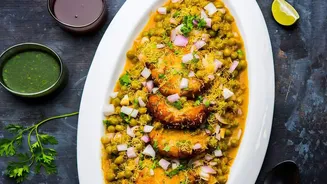
The trend extends beyond home kitchens. Chefs at high-end restaurants are creating menus that celebrate regional and forgotten recipes, bringing hyperlocal cuisine to a wider audience. By championing local ingredients and seasonal produce, they are not only offering unique dining experiences but also supporting local farmers and preserving culinary heritage. This visibility has a trickle-down effect, inspiring home cooks and food enthusiasts to explore ingredients and techniques that may have been lost. Social media influencers and food bloggers also play a significant role, sharing modern takes on traditional recipes and making ancient grains accessible and appealing to a new generation.