


Why the Monsoon is Tough on Your Tummy
The arrival of the monsoon is a cherished moment across India, but along with the cool breezes comes a set of health challenges, particularly for our digestive system. High humidity and dampness create an ideal breeding ground for bacteria, viruses, and parasites,
increasing the risk of food and water contamination. This leads to a seasonal spike in stomach infections, gastroenteritis, and other waterborne diseases. Beyond external threats, the body's internal processes also shift. According to both modern science and Ayurvedic principles, our digestive fire, or 'Agni', tends to weaken during this season. High humidity can slow down our metabolism and the activity of digestive enzymes, leading to common complaints like bloating, gas, acidity, and a general feeling of heaviness after meals.
The Probiotic Powerhouse: How Fermentation Helps
In the search for digestive relief, many are looking back to traditional wisdom, and finding answers in fermentation. Fermented foods are rich in probiotics—live beneficial bacteria that are crucial for a healthy gut microbiome. These 'good' bacteria help balance our gut flora, improve digestion, enhance nutrient absorption, and strengthen the immune system, much of which resides in our gut. By creating an environment where beneficial microbes thrive, probiotics can crowd out harmful pathogens, making our system more resilient to the infections that are common during the monsoon. It's a natural, food-first approach to wellness that has been part of Indian kitchens for generations, long before 'probiotics' became a buzzword.
India’s Traditional Fermented Superfoods
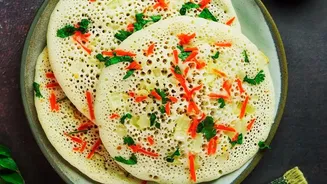
The good news is that you don't need to look for expensive, imported products to get your dose of probiotics. The Indian diet is filled with accessible and powerful fermented foods. Dahi (Curd): A staple in most households, homemade curd is one of the best sources of Lactobacillus bacteria. It cools the stomach, aids digestion, and can be enjoyed plain, as raita, or in chaas (buttermilk). Idli & Dosa: The overnight fermentation of the rice and lentil batter makes these South Indian breakfast favourites light, easy to digest, and packed with gut-friendly bacteria. Kanji: This traditional North Indian drink, made by fermenting black carrots or beetroot with mustard seeds and water, is a potent probiotic tonic. It's known to improve digestion, reduce bloating, and boost immunity. Dhokla: The fermented gram flour batter makes this steamed Gujarati snack soft, spongy, and surprisingly good for your gut. * Fermented Rice: Known as Pakhala in Odisha or Panta Bhat in Bengal, soaking leftover cooked rice in water overnight creates a cooling, probiotic-rich meal that is excellent for soothing the digestive system.
Incorporating Fermented Foods Safely
While fermented foods are beneficial, how you consume them matters, especially during the monsoon when contamination risks are high. The key is freshness and hygiene. Homemade is often best, as it ensures you have live, active cultures without the preservatives and sugars found in many commercial products. For instance, homemade dahi is far superior to most store-bought flavoured yogurts, which may be heat-treated, killing the beneficial bacteria. When making something like Kanji, using fresh, thoroughly washed vegetables is crucial to ensure you are cultivating good bacteria, not harmful ones. It is also important to introduce these foods gradually if you are not used to them and to consume them in moderation. A small bowl of curd with lunch or a glass of chaas in the afternoon is a great way to start.