

1. The Detourists
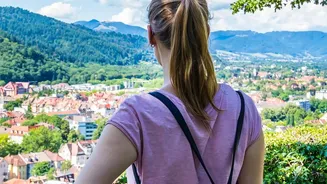
This trend is about visiting world-famous destinations but deliberately skipping the main attractions. Instead of fighting crowds at the Eiffel Tower, a 'detourist' might explore the lesser-known neighbourhoods of Paris. A survey found that over 60% of travellers
are now more likely to seek out these hidden-gem areas compared to five years ago. This approach is about finding authentic, local experiences away from the tourist trail, whether it's an undiscovered food market in Rome or a quiet park in Tokyo. It’s a rebellion against the checklist, prioritising personal discovery over popular demand.
2. Paranormal Tourism
Get ready for a spooky holiday. A growing number of travellers are seeking out experiences that are less about relaxation and more about the unexplained. This isn't just about staying in a supposedly haunted hotel; it's about journeys into places rich with folklore, myth, and mystery. Think guided tours of ancient, eerie ruins, trips to sites of paranormal encounters, or even just visiting destinations with a dark and fascinating history. With 65% of global travellers expressing interest in paranormal-themed travel, this niche is quickly becoming a way to find thrills that a beach holiday simply can't provide.
3. Pollinator and Fermentation Tourism
In our hyper-connected world, slowing down has become the ultimate luxury. Two surprising trends tap directly into this: pollinator and fermentation tourism. A growing number of travellers are booking beekeeping workshops to learn about apiaries and the patient art of honey production. Similarly, food-focused travellers are signing up for classes to make their own kimchi or watch balsamic vinegar being made from scratch. One report noted a 73% year-on-year climb in bookings for vinegar production workshops. These hands-on activities are about understanding the origins of what we consume and finding a deeper connection to the local culture.
4. Rain Tourism
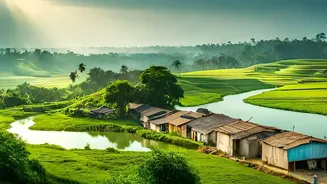
While most people plan their holidays to avoid bad weather, 'rain tourism' embraces it. This trend involves travelling to destinations during their wetter, greener seasons to experience them in a completely different light. For example, interest in visiting Borneo during its rainy season has surged, with travellers realising that the rain brings the rainforest to life in a unique way. Instead of seeing a downpour as a disruption, these 'pluviophiles' (rain lovers) see it as part of the adventure, leading to lush landscapes, fewer crowds, and a more immersive connection with nature.
5. Event-Specific Journeys
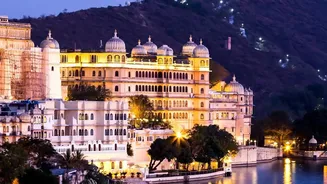
Rather than picking a place and then finding things to do, this trend flips the script. The trip is planned around a single, unmissable event. For 2027, this is a major draw, with several significant happenings on the calendar. Highlights include a total solar eclipse over Luxor, Egypt, a Jacobean Holy Year in Spain, and the 300th anniversary of the city of Jaipur in India. These 'date-attached' trips offer a once-in-a-lifetime reason to visit a specific place at a specific time, creating a powerful sense of purpose and making the holiday truly unique. These trips tend to sell out fast, so planning ahead is key.
6. Slow Travel by Rail or Foot
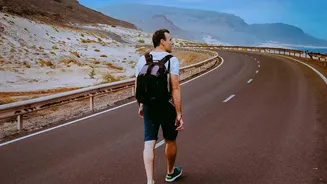
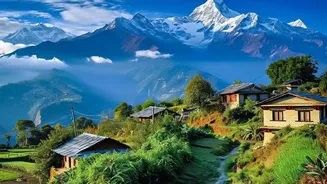
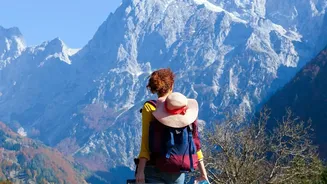
The pressure to pack itineraries with back-to-back activities is officially fading. In its place is the rise of slow, deliberate travel where the journey itself is the main attraction. Long-distance rail journeys across Europe or immersive multi-day hikes are gaining popularity. This could mean taking a luxury train through the Swiss Alps or hiking through the Himalayas in Bhutan. The goal is to abandon the frantic pace of modern life, allowing for unstructured time and a deeper connection with the landscape. It’s about being present, not just ticking off a list of stops.