




More Than Just Olive Oil
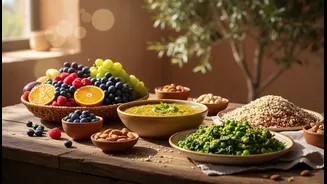
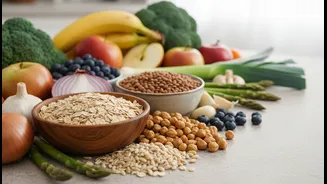
The Mediterranean diet is less a strict set of rules and more a lifestyle blueprint. It's not about eating Greek salads every day. At its heart, it emphasizes plant-based foods like vegetables, fruits, whole grains, and legumes. Healthy fats, primarily
from olive oil, nuts, and seeds, are central, along with moderate consumption of fish, poultry, and dairy like cheese and yogurt. Red meat and sugary, processed foods are enjoyed rarely. The focus is on whole, minimally processed ingredients, which is a philosophy any cuisine can adopt. It’s a pattern of eating that is linked to lower risks of heart disease and other chronic conditions, not because of one magic ingredient, but because of the combined effect of these food choices.
Where Our Kitchens Meet
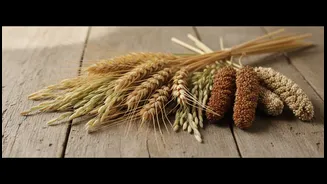
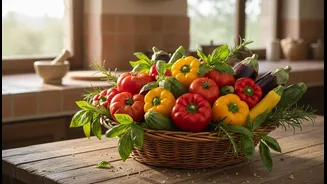
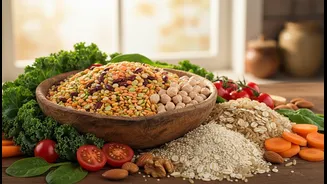
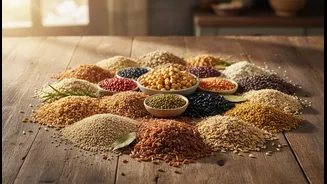
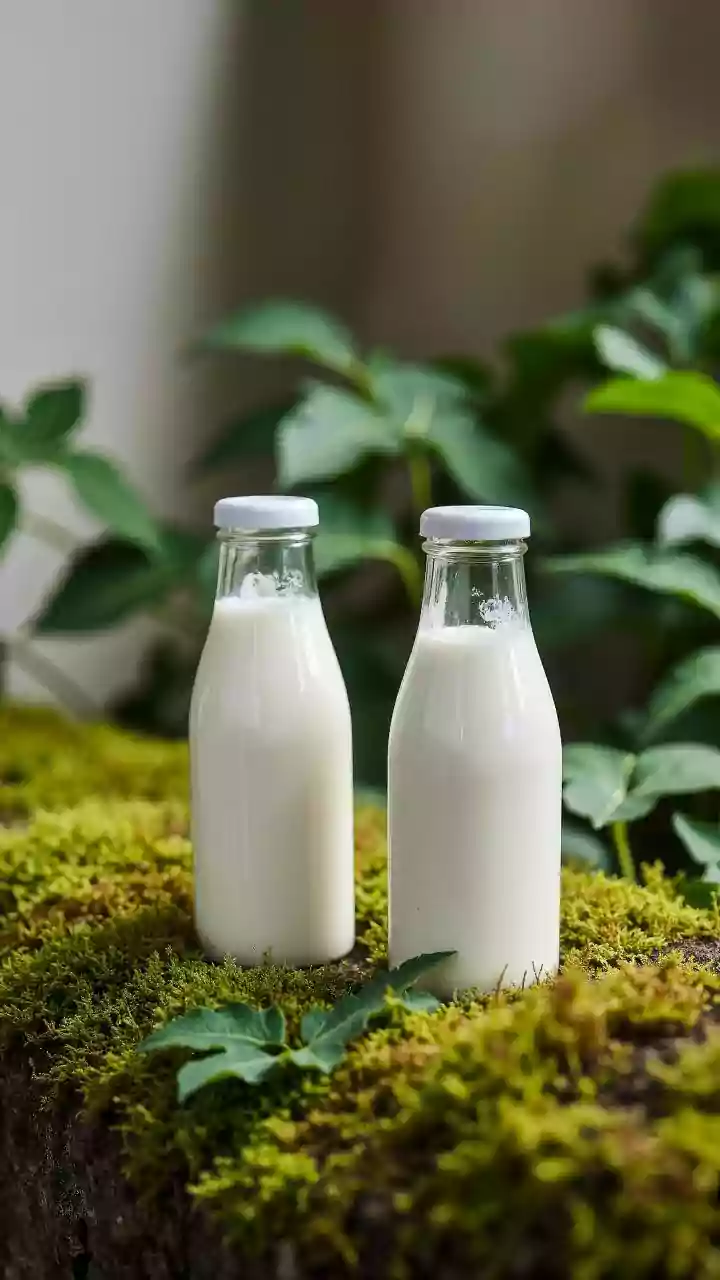
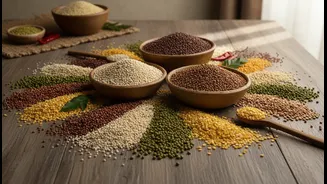
A closer look reveals that traditional Indian kitchens are already well-aligned with Mediterranean principles. The Indian diet is rich in plant-based proteins like dal, chana, and rajma, which are nutritional cornerstones just like the beans and legumes in Mediterranean meals. Whole grains, another Mediterranean staple, are present in the form of whole-wheat rotis, and millets like jowar, bajra, and ragi. Our meals are rarely complete without a generous serving of vegetables, whether in a sabzi or a salad like kachumber. Both cuisines also share a love for flavour from herbs and spices rather than relying solely on salt, and both value fermented dairy like yogurt (dahi), which supports gut health. The foundation for this healthy shift already exists on most Indian dinner tables.
The Art of the Healthy Tweak
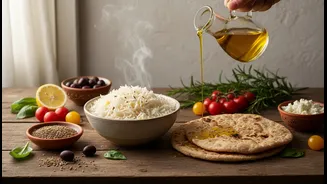
Adapting your Indian meals isn’t about overhaul; it’s about intelligent tweaks. The biggest change involves fats. While ghee has its place, especially for high-heat cooking, daily meals can benefit from using oils rich in monounsaturated and polyunsaturated fats. Cold-pressed mustard oil, groundnut oil, and sesame oil are excellent traditional options. Using extra virgin olive oil for drizzling over salads or light sautés is also a great way to incorporate its benefits. Another simple swap is to increase the proportion of vegetables and dal on your plate, while slightly reducing the portion of rice or bread. Choosing brown rice or millet-based rotis over their refined counterparts boosts fibre intake. Opting to grill, bake, or stir-fry instead of deep-frying your favourite foods can also make a significant difference without losing flavour.
Your Thali, Reimagined
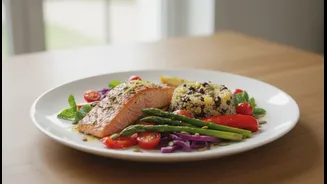
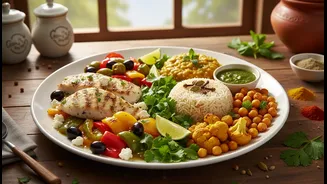
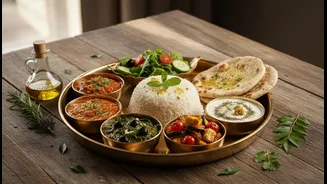
So what does a Mediterranean-inspired Indian thali look like? It’s vibrant, balanced, and satisfying. Picture your plate with half of it filled with a colourful sabzi or a leafy green salad. One quarter of the plate holds a generous katori of dal, chana masala, or sambar. The final quarter is for whole grains—perhaps one or two whole-wheat or millet rotis, or a small portion of brown rice. A side of plain dahi or a glass of buttermilk complements the meal. For non-vegetarians, a portion of baked fish or grilled chicken could replace the dal a few times a week. This isn't a restrictive diet; it's a visual guide to ensure your meal is rich in fibre, protein, and essential nutrients, keeping you full and energised.
A Lifestyle, Not Just a Diet
Finally, the Mediterranean approach extends beyond food. It champions a lifestyle that includes regular physical activity and, perhaps most importantly, eating meals with others. This social aspect of food is deeply ingrained in Indian culture, where sharing meals with family and friends is a cherished ritual. Eating mindfully, without distractions, allows us to savour our food and better recognise our body's hunger and fullness cues. By embracing these principles, we’re not adopting a foreign diet but rather reconnecting with the wholesome, balanced, and community-oriented aspects of our own food heritage, simply viewed through a new, health-conscious lens.