





The Promise of a Place Name
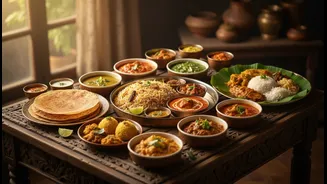
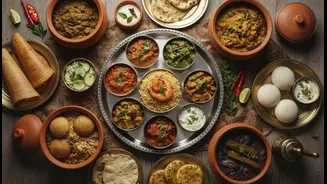
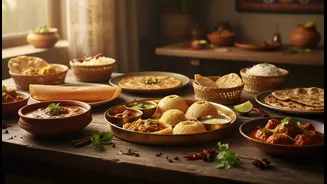
Walk into almost any multi-cuisine restaurant in India, and you'll see a menu that reads like a map. Dishes are frequently prefixed with a geographical tag: Malabar fish curry, Chettinad chicken, Amritsari kulcha, Bikaneri bhujia. These names act as a powerful
shorthand for flavour, instantly conjuring images of rich spices, specific tastes, and time-honoured traditions. For restaurants, it's a simple and effective marketing tool. It signals authenticity and promises a distinct culinary experience that transports the diner, however briefly, to another part of the country. But as these names become more common, their meaning often gets diluted. The 'Chettinad' label, for instance, should signify a complex, aromatic, and freshly ground spice blend from Tamil Nadu, but it is often used to describe any generically spicy, dark-coloured gravy. This simplification is a disservice to the complexity of one of the world's most diverse culinary traditions.
What’s Lost in Translation?
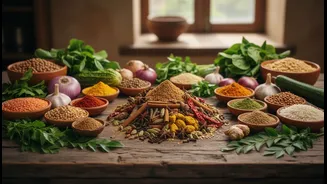
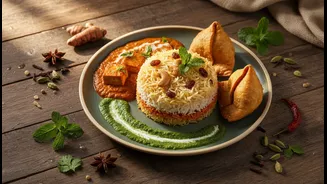
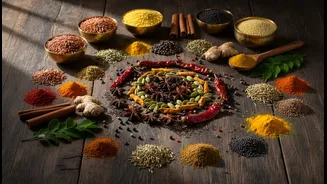
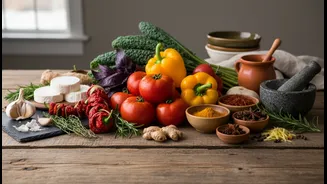
When a dish is reduced to its name, its soul is often lost. Real regional cooking is not just a recipe; it's a reflection of a place’s geography, climate, agriculture, and cultural history. The ingredients are key. A true Bengali fish curry relies on the specific pungency of mustard oil and freshwater fish, while a Goan dish might get its tang from toddy vinegar—ingredients that are deeply rooted in their local ecosystems. The techniques are just as important. The 'dum' method of slow-cooking layered biryani, the precise tempering of spices known as tadka, or the art of fermentation for dosas and idlis are all skills passed down through generations. When a restaurant hundreds of kilometres away offers 'Hyderabadi' biryani without honouring these specific ingredients and methods, what you get is a replica without the original's heart—a dish that carries the name but lacks the narrative.
The Commercialisation of Authenticity
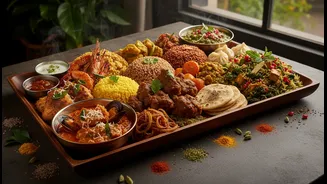
The trend of over-simplifying regional food is driven by commercial pressures. In a competitive market, restaurants cater to a palate that seeks familiarity. As a result, many regional dishes get standardized into a handful of recognizable gravies. This creates a feedback loop: diners come to expect a certain taste from a 'Kadhai Paneer' or a 'Butter Chicken', and restaurants deliver that taste, regardless of whether it aligns with the dish's origins. While this makes regional food more accessible, it also leads to a dangerous homogenization. The subtle, layered flavours of Eastern Indian cooking, which often uses gentler spices to highlight fresh ingredients, can be lost in a market that equates Indian food with intense heat and heavy sauces. This commercialisation turns rich culinary traditions into marketable commodities, stripping them of their context and complexity.
Celebrating True Provenance
So what is the 'more' that regional food needs? It is a deeper respect for provenance. This means celebrating the specific ingredients, the traditional cooking methods, and the cultural stories behind each dish. Thankfully, a growing movement of chefs, food historians, and home cooks is pushing back against dilution. Figures like Nawab Mehboob Alam Khan are working to preserve and promote the true heritage of Hyderabadi cuisine, while chefs like Vijay Kumar are earning accolades abroad by presenting unapologetically authentic regional Tamil food. This movement is about more than just food; it's about preserving cultural identity. Legal frameworks like the Geographical Indication (GI) tag also play a role, protecting not just the name but the specific processes and origins of products like Hyderabadi Haleem, ensuring its authenticity is legally safeguarded.