


There is a special magic to exploring a city on foot, where the world slows to a human pace. Some streets are more than just routes; they are destinations in themselves, rich with history, art, and an energy that can only be felt by walking them.
La Rambla, Barcelona, Spain
This
iconic, tree-lined boulevard is the beating heart of Barcelona. Stretching 1.2 kilometers from Plaça de Catalunya to the Christopher Columbus Monument at the port, it's a vibrant pedestrian thoroughfare buzzing with street performers, flower stalls, and outdoor cafés. Though famously popular with tourists, its constant activity and beautiful historic buildings make it an essential Barcelona experience, best enjoyed at a leisurely pace to soak in the atmosphere.
The Shambles, York, England
Walking down The Shambles is like stepping into a medieval fairy tale. This narrow, winding lane is famed for its overhanging timber-framed buildings, some dating back to the 14th century. The upper stories are so close they nearly touch. Once a street of butchers, the hooks and shelves for displaying meat can still be seen on some storefronts. Its preserved ancient charm has led many to believe it was an inspiration for Diagon Alley in the Harry Potter series.
Hosier Lane, Melbourne, Australia
A dynamic outdoor gallery, Hosier Lane is the epicenter of Melbourne's renowned street art scene. This bluestone laneway is a kaleidoscope of colour, featuring an ever-changing collection of murals, stencils, and installations from local and international artists. While it began as a de facto 'free-to-paint' zone, it has become a major tourist attraction, offering a raw and vibrant look into the city's creative soul, where the art spills onto every available surface, including walls and bins.
Via dei Fori Imperiali, Rome, Italy
For a walk through history, few streets can compare to Via dei Fori Imperiali. This grand avenue connects Piazza Venezia to the Colosseum, cutting directly through the heart of the ancient Roman Forum. As you stroll, you are flanked by the ruins of temples, basilicas, and the commercial and political center of the Roman Empire. Often pedestrian-only on Sundays, it provides an unparalleled, open-air museum experience, with epic views at every turn.
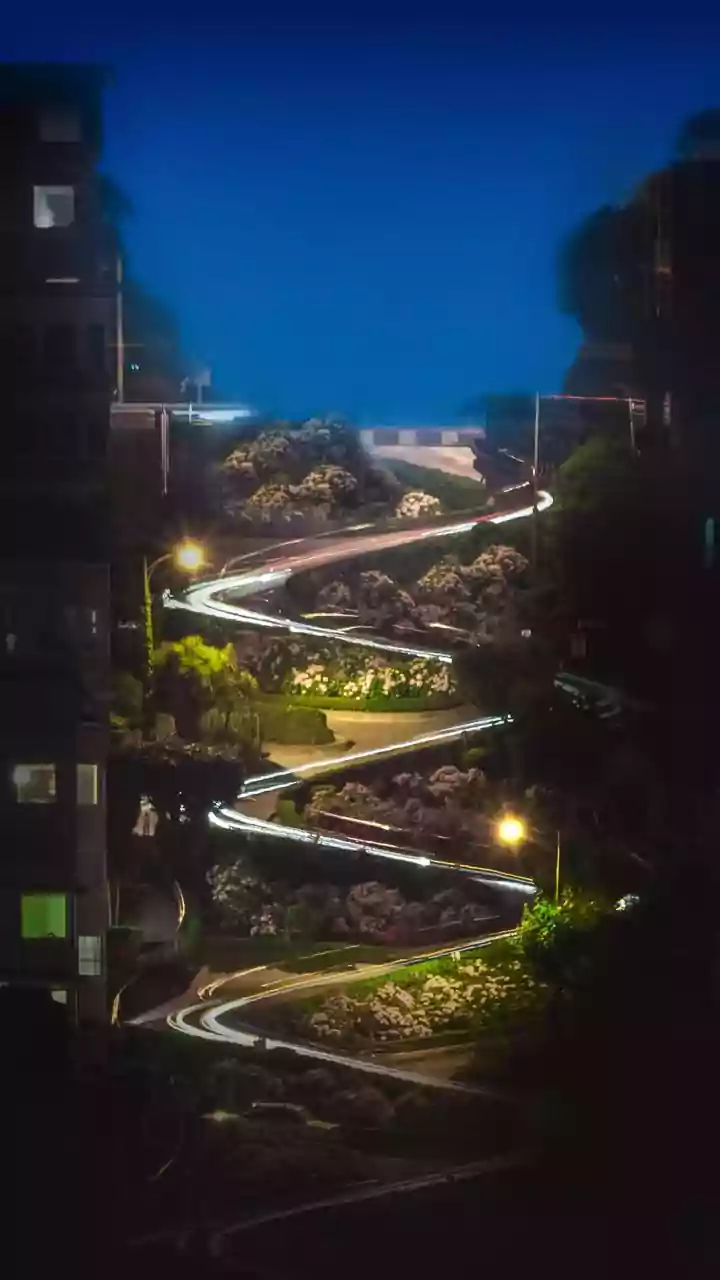
Lombard Street, San Francisco, USA
While famous for being the 'crookedest street in the world', the section of Lombard Street between Hyde and Leavenworth Streets is also a fantastic walk. The eight sharp, hairpin turns were designed in the 1920s to make the steep hill safer for vehicles. Pedestrians can take the staircases on either side, getting a perfect view of the beautifully landscaped flowerbeds, charming Victorian mansions, and the cars navigating the famous switchbacks.
Rua Augusta, Lisbon, Portugal
The main pedestrian artery of Lisbon's Baixa district, Rua Augusta is a lively street known for its beautiful mosaic pavements and neoclassical architecture. It connects the grand Rossio Square to the riverfront Praça do Comércio, passing under a magnificent triumphal arch. Rebuilt after the 1755 earthquake, its uniform design is a testament to the city's resilience. Lined with international shops and outdoor cafés, it’s a hub of commerce and street life.
The Blue Streets of Chefchaouen, Morocco
Not a single street but an entire historic medina, the old town of Chefchaouen is a breathtaking labyrinth of blue-washed alleyways. Tucked into the Rif Mountains, every lane, staircase, and doorway is painted in shades ranging from pale sky to deep cobalt. The tradition is said to have been started by Jewish refugees who associated the color with heaven. Wandering without a map here is the best way to explore, discovering picture-perfect corners and a serene atmosphere unlike anywhere else.
Acorn Street, Boston, USA
Often called the most photographed street in America, Acorn Street in Boston's Beacon Hill neighborhood is a trip back in time. This narrow lane is one of the few remaining streets with authentic cobblestones from the 19th century. The charming Federal-style brick row houses, gas lanterns, and tidy flower boxes were once home to artisans and tradespeople. Its well-preserved historic character provides a quiet, picturesque escape in the middle of a modern city.
Strøget, Copenhagen, Denmark
One of the longest pedestrian shopping streets in Europe, Strøget became car-free in 1962, inspiring cities worldwide. It runs through Copenhagen's historic center and is a bustling hub for both high-end and budget-friendly shopping. But it's more than a commercial street; it’s a place where locals and tourists alike enjoy the lively atmosphere, which is often filled with street performers and musicians.
Tetsugaku no Michi (Philosopher's Path), Kyoto, Japan
This peaceful, stone-paved path follows a canal in Kyoto and is lined with hundreds of cherry trees. It gets its name from Nishida Kitaro, a renowned Japanese philosopher who was said to meditate while walking this route daily. In spring, the trees explode into a tunnel of pink and white blossoms, creating one of the country's most famous and beautiful scenes for 'hanami' (flower viewing). The 1.2-mile path provides a serene and contemplative walk past temples and shrines.